#RIP #OTD in 1823 Scottish courtesan (Duke of Orléans, George IV), writer (Ma Vie sous la Révolution), spy resident in Paris during the French Revolution, Grace Elliott died at Ville d’Avray, France aged 68-69. Père Lachaise Cemetery
#RIP #OTD in 1953 jazz guitarist, composer (“Minor Swing”, “Daphne”, “Belleville”, “Djangology”, “Swing ’42”, “Nuages”) Django Reinhardt died from a brain hemorrhage in Samois-sur-Seine, France, aged 43. Cimetiere de Samois-sur-Seine.
#RIP #OTD in 1955 author (A Death in the Family, Let Us Now Praise Famous Men), journalist, poet, screenwriter (The African Queen, The Night of the Hunter), film critic, James Agee died from a heart attack in New York City, aged 45. Agee Family Farm Cemetery Hillsdale, New York
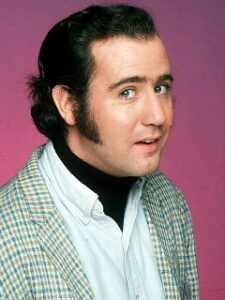 On this day in 1984, entertainer, actor, writer, and performance artist Andy Kaufman supposedly died of lung cancer in Los Angeles, at the age of 35. Born Andrew Geoffrey Kaufman on January 17, 1949 in New York City. While often called a comedian, Kaufman described himself instead as a “song and dance man”. He disdained telling jokes and engaging in comedy as it was traditionally understood, once saying in a rare introspective interview, “I am not a comic, I have never told a joke. … The comedian’s promise is that he will go out there and make you laugh with him… My only promise is that I will try to entertain you as best I can.”
After working in small comedy clubs in the early 1970s, Kaufman came to the attention of a wider audience in 1975, when he was invited to perform portions of his act on the first season of Saturday Night Live. His Foreign Man character was the basis of his performance as Latka Gravas on the hit television show Taxi from 1978 until 1983. During this time, he continued to tour comedy clubs and theaters in a series of unique performance art/comedy shows, sometimes appearing as himself and sometimes as obnoxiously rude lounge singer Tony Clifton. He was also a frequent guest on sketch comedy and late-night talk shows, particularly Late Night with David Letterman. In 1982, Kaufman brought his professional wrestling villain act to Letterman’s show by way of a staged encounter with Jerry “The King” Lawler of the Continental Wrestling Association (although the fact that the altercation was planned in advance was not publicly disclosed for over a decade).
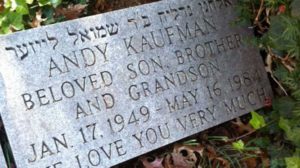 The Final Footprint
Kaufman often spoke of faking his own death as a grand hoax, with rumors persisting, often fueled by sporadic appearances of Kaufman’s character Tony Clifton at comedy clubs after his death. In 2013, responding to rumors following the appearance of an actress who claimed to be Kaufman’s daughter and that he was still alive, Los Angeles County Coroner’s office re-released Kaufman’s death certificate to confirm he was indeed deceased and buried at Beth David Cemetery. Other notable final footprints at Beth David include; Sidney Lumet, Doc Pomus, and Abe Vigoda.
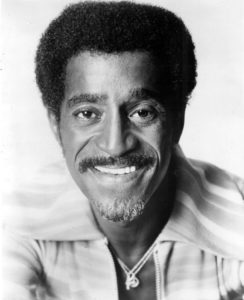 On this day in 1990, entertainer, singer, dancer, actor, member of the Rat Pack, Sammy Davis, Jr. died in Beverly Hills from throat cancer at the age of 64. Born Samuel George Davis, Jr. on 8 December 1925 in Harlem. Davis converted to Judaism in 1955. In 1959, he became a member of the famous “Rat Pack”, led by his friend Frank Sinatra, which included Dean Martin, Joey Bishop and Peter Lawford. Davis dated actress Kim Novak before his first marriage. He married three times: Loray White (1958-1959 divorce), May Britt (1960-1968 divorce) and Altovise Gore (1970-1990 his death). Davis was awarded the Spingarn Medal by the NAACP, and was nominated for a Golden Globe and an Emmy Award for his television performances. He was the recipient of the Kennedy Center Honors in 1987, and in 2001, he was posthumously awarded the Grammy Lifetime Achievement Award.
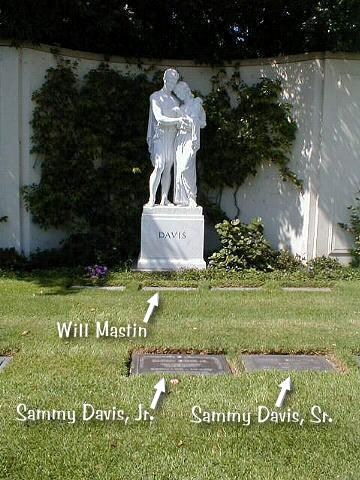 The Final Footprint – Davis is interred in Forest Lawn Memorial Park, Glendale, California. His grave is marked by a flat bronze individual marker with the inscription “THE ENTERTAINER” HE DID IT ALL and YOUR LOVING WIFE ALTOVISE AND FATHER OF TRACEY, MARK, JEFF, MANNY. A nearby white marble statue has the name DAVIS engraved at the bottom. Other notable Final Footprints at Forest Lawn Glendale include; L. Frank Baum, Humphrey Bogart, Lon Chaney, Nat King Cole, Dorothy Dandridge, Jean Harlow, Sam Cooke, Walt Disney, Errol Flynn, Clark Gable, Michael Jackson, Carole Lombard, Tom Mix, Casey Stengel, Jimmy Stewart, Elizabeth Taylor, and Spencer Tracy.
| Ronnie James Dio | |
|---|---|
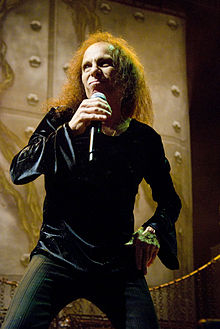 performing in Chicago in 2009 |
|
On this day in 2010, singer, songwriter and musician Ronnie James Dio died in Los Angeles of stomach cancer at the age of 67. Born Ronald James Padavona on July 10, 1942 in Portsmouth, New Hampshire. He fronted and/or founded numerous groups including Elf, Rainbow, Black Sabbath, Dio, and Heaven & Hell. He is credited with popularizing the “metal horns” hand gesture in metal culture and was known for his medieval-themed lyrics. Dio possessed a powerful versatile vocal range capable of singing both hard rock and lighter ballads.
Explanations vary for how Padavona adopted the stage name “Dio”. One story is that Dio was a reference to mafia member Johnny Dio. Another has it that Padavona’s grandmother said he had a gift from God and should be called “Dio” (“God” in Italian).
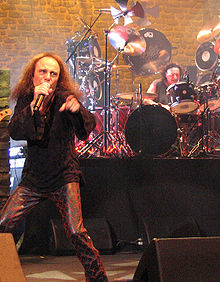
Dio’s first wife was Loretta Berardi (born 1941). After divorcing Berardi, he married Wendy Gaxiola (born 1945) who also served as his manager.
The Final Footprint

A public memorial service was held on May 30, 2010 at The Hall of Liberty, Forest Lawn Hollywood Hills, Los Angeles. The hall was filled to capacity, with many more fans sitting outside the hall watching the memorial on multiple giant screens on both the east and south sides of the hall. Friends, family, and former and current band mates of Dio gave speeches and performed. On the screen was an accompanying documentary covering Dio’s career from his early days with Elf to his final project with Heaven & Hell. Dio is entombed at Forest Lawn Hollywood Hills. Other notable final footprints at Hollywood Hills include; Gene Autry, Albert “Cubby” Broccoli, David Carradine, Scatman Crothers, Bette Davis, Sandra Dee, Michael Clarke Duncan, Carrie Fisher, Bobby Fuller, Andy Gibb, Michael Hutchence, Jill Ireland, Al Jarreau, Buster Keaton, Lemmy Kilmister, Jack LaLanne, Nicolette Larson, Liberace, Strother Martin, Jayne Meadows, Brittany Murphy, Ricky Nelson, Bill Paxton, Brock Peters, Freddie Prinze, Lou Rawls, Debbie Reynolds, Telly Savalas, John Singleton, Lee Van Cleef, and Paul Walker.

A tribute monument of Dio in Kavarna, Bulgaria
#RIP #OTD in 2019 architect, (Louvre Pyramid; JFK Library; Rock and Roll Hall of Fame, National Gallery east building), I. M. Pei died in his Manhattan apartment aged 102. Kensico cemetery, Valhalla, New York
#RIP #OTD in 2024 UT at Austin grad, actor (9 to 5, On Golden Pond, Tootsie, WarGames, Cloak & Dagger, Boardwalk Empire), Dabney Coleman died at his home in Santa Monica, California of heart failure aged 92. Oakwood cemetery annex, Austin
Have you planned yours yet?
Follow TFF on twitter @RIPTFF
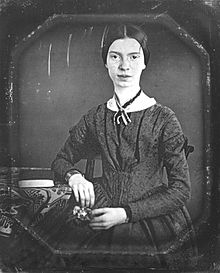 On this day in 1886, renowned poet, Emily Dickinson died at her home in Amherst, Massachusetts at the age of 55. Born Emily Elizabeth Dickinson on 10 December 1830 in Amherst. She led a mostly introverted and reclusive life and never married. Fewer than a dozen of her poems were published during her lifetime. Those that were, were usually heavily edited to fit the conventional poetic rules of the time. Dickinson’s poems were unique for that era as they featured short lines, no titles, slant rhyme and unconventional capitalization and punctuation. After Dickinson’s death, her sister Lavinia, kept her promise and burned most of the poet’s correspondence. Fortunatley though, Dickinson had left no instructions about the forty notebooks and loose sheets gathered in a locked chest. The notebooks and loose sheets contained almost 1800 poems. Lavinia recognized the poems’ worth and decided they must be published. Today Dickinson is considered one of the most important poets and an important part of American culture. One of my favorite poets. Lately, my own poetry has been influenced by Dickinson. Here is her poem Wild Nights – Wild Nights! (249);
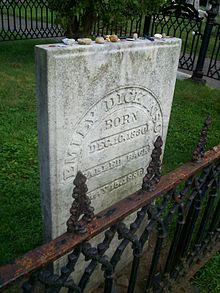 The Final Footprint – Dickinson is interred in the Dickinson family private estate in West Cemetery in Amherst. Her grave is marked by an upright stone marker. S
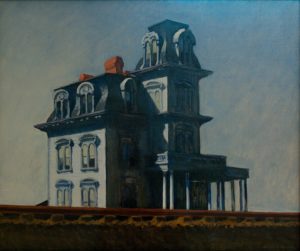
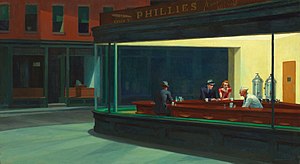
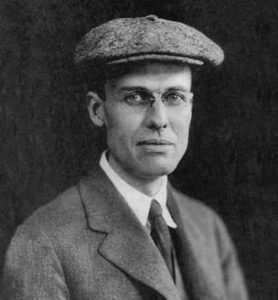 On this day in 1967, realist painter Edward Hopper died in his studio near Washington Square, Manhattan at the age of 84. Born on July 22, 1882 in Upper Nyack, New York. While he was most popularly known for his oil paintings, he was equally proficient as a watercolorist and printmaker in etching. Both in his urban and rural scenes, his spare and finely calculated renderings reflected his personal vision of modern American life.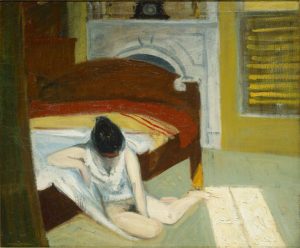


 On this day in 2003,
 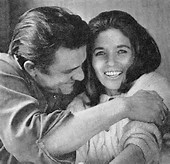 They married on 1 March in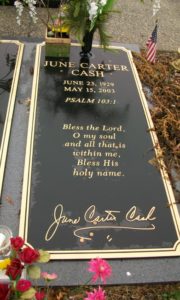
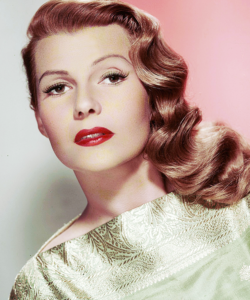 On this day in 1987, dancer and actress, beauty icon, Rita Hayworth died from complications of Alzheimer’s disease at the age of 68 in New York City. Born Margarita Carmen Cansino on 17 October 1918 in Brooklyn. Hayworth achieved fame during the 1940s as one of the era’s top stars. Appearing first as Rita Cansino, she agreed to change her name to Rita Hayworth and her natural dark brown hair color to dark red to attract a greater range of roles. Her appeal led to her being featured on the cover of Life magazine five times, beginning in 1940. She appeared in a total of 61 films over 37 years. Hayworth married five times, apparently none of them happily; Edward C. Judson (1937–1942 divorce), Orson Welles
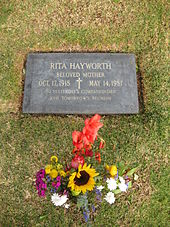 The Final Footprint – A funeral service was held on 19 May 1987, at the Church of the Good Shepherd in Beverly Hills. Pallbearers included actors Ricardo Montalbán, Glenn Ford, Don Ameche, agent Budd Burton Moss, and the choreographer Hermes Pan. She was interred in Holy Cross Cemetery, Culver City. Her headstone includes the inscription: “To yesterday’s companionship and tomorrow’s reunion.” Hayworth’s pin-up poster is portrayed in Stephen King’s novella Rita Hayworth and Shawshank Redemption (1982), and was later brought to the screen in the film The Shawshank Redemption (1994) directed by Frank Darabont (which itself features a video clip of Hayworth in Gilda, shown as a film the prisoners are watching). Other notable final footprints at Holy Cross include; John Candy, Bing Crosby, Jimmy Durante, John Ford, Chick Hearn, Bela Lugosi, Al Martino, Audrey Meadows, Ricardo Montalbán, Evelyn Nesbit, Hermes Pan, Chris Penn, Jo Stafford, and Sharon Tate.
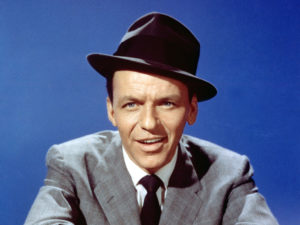 On this day in 1998, legendary and iconic singer and actor; Academy Award winner, Grammy Award winner, producer, director, conductor, member of the Rat Pack, Ol’ Blue Eyes, The Chairman of the Board, The Voice, Frankie, Frank Sinatra died at 10:50 P.M. on a Thursday at the Cedars-Sinai Medical Center, with his wife Barbara by his side, at the age of 82. Born Francis Albert Sinatra on 12 December 1915 in Hoboken, New Jersey. Oh my, where to begin. This could take awhile. Sinatra is perhaps my favorite entertainer.
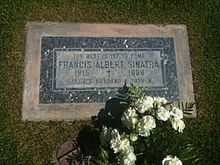 The Final Footprint – The night after Sinatra’s death, the lights on the Empire State Building in New York City were turned blue, the lights at the Las Vegas Strip were dimmed in his honor, and the casinos stopped spinning for a minute.

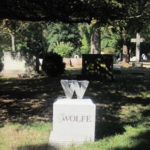
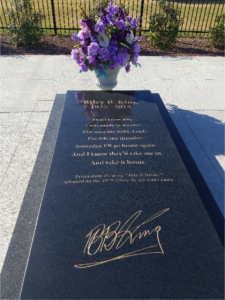 The Final Footprint
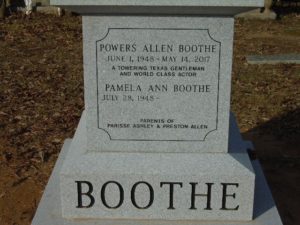
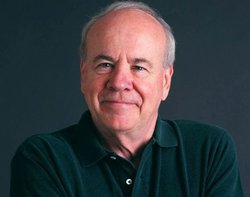
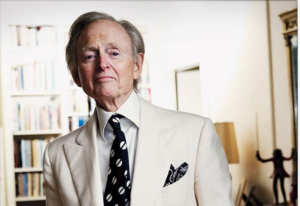 On this day in 2018, author and journalist Tom Wolfe died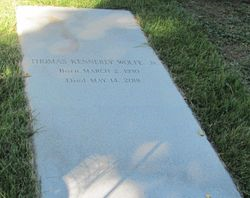
 On this day in 2019,
 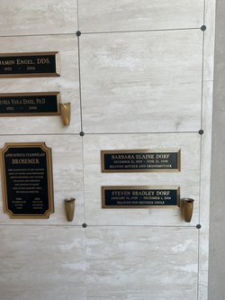 The Final Footprint
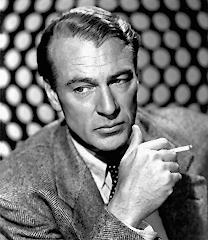 On this day in 1961, Academy Award-winning actor, Coop, Gary Cooper died from cancer at his home in Beverly Hills at the age of 60. Born Frank James Cooper on 7 May 1901 in Helena, Montana. His career comprised more than a 100 films. My favorite movies with Cooper include; as Will Cane in High Noon (1952) with Grace Kelly, as Lou Gehrig in The Pride of the Yankees (1942), as Robert Jordan in the film adaptation of Ernest Hemingway’s For Whom the Bell Tolls (1943) with Ingrid Bergman, as Howard Roark in the film adaptation of Ayn Rand’s The Fountainhead (1949) and as Frank Flannagan in Love in the Afternoon (1957) with Audrey Hepburn. Cooper married once; Veronica “Rocky” Balfe (1933-1961 his death). Cooper allegedly had affairs with famous co-stars Marlene Dietrich, Kelly and Patricia Neal.
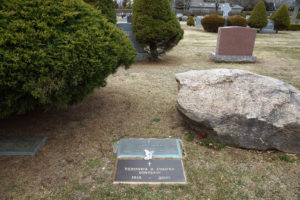 The Final Footprint – A requiem mass was held on May 18 at the Church of the Good Shepherd, attended by many of Cooper’s friends, including James Stewart, Henry Hathaway, Joel McCrea, Audrey Hepburn, Jack L. Warner, John Ford, John Wayne, Edward G. Robinson, Frank Sinatra, Dean Martin, Fred Astaire, Randolph Scott, Walter Pidgeon, Bob Hope, and Marlene Dietrich. Cooper was initially interred in the Grotto Section of Holy Cross Catholic Cemetery in Culver City, California. In May 1974 his body was removed from Holy Cross Cemetery, when his widow Veronica remarried and moved to New York, and relocated to Sacred Heart Cemetery, in Southampton, New York, on Long Island. His grave is marked by an individual bronze marker and a three-ton boulder from a Montauk quarry. Veronica was buried next to him when she died in 2000. For his contribution to the film industry, Cooper has a star on the Hollywood Walk of Fame at 6243 Hollywood Blvd. In 1966, he was inducted into the Western Performers Hall of Fame at the National Cowboy & Western Heritage Museum in Oklahoma City, Oklahoma.
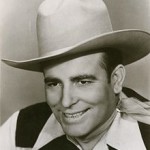 On this day in 1975, musician, songwriter, and bandleader of the Texas Playboys; co-founder of Western Swing, the King of Western Swing, Bob Wills died in Fort Worth, Texas at the age of 70 from a stroke. Born James Robert Wills on a farm near Kosse, Texas on 6 March 1905. Wills formed several bands and played radio stations around the South and West until he formed the Texas Playboys in 1934 with Wills on fiddle, Tommy Duncan on piano and vocals, rhythm guitarist June Whalin, tenor banjoist Johnnie Lee Wills (his brother), and Kermit Whalin, who played steel guitar and bass, later adding Leon McAuliffe on steel guitar, pianist Al Stricklin, drummer Smokey Dacus, and a horn section that expanded the band’s sound. Wills favored jazz-like arrangements and the band found national popularity into the 1940s with such hits as “Steel Guitar Rag”, “New San Antonio Rose”, “Smoke on the Water”, “Stars and Stripes on Iwo Jima”, and “New Spanish Two Step”. In 1950, he had two top ten hits, “Ida Red Likes the Boogie” and “Faded Love”. The Country Music Hall of Fame inducted Wills in 1968 and the Texas State Legislature honored him for his contribution to American music. In 1972, Wills accepted a citation from the American Society of Composers, Authors and Publishers in Nashville. He was recording an album with Merle Haggard in 1973 when a stroke left him comatose until his death in 1975. The Rock and Roll Hall of Fame inducted Wills and the Texas Playboys in 1999. I love to hear Bob holler.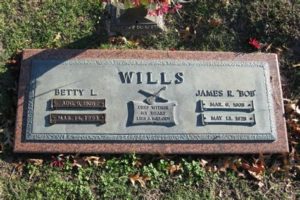
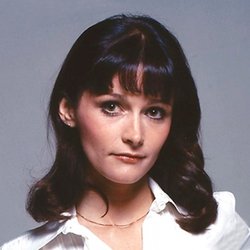 On this day in 2018, actress and activist Margot Kidder died at her home in Livingston, Montana from suicide by alcohol and drug overdose, at the age of 69. Born Margaret Ruth Kidder on October 17, 1948 in Yellowknife, Northwest Territories, Canada. Her accolades include three Canadian Screen Awards and one Daytime Emmy Award. Though she appeared in an array of films and television, Kidder is perhaps best known for her performance as Lois Lane in the Superman film series, appearing in the first four films.
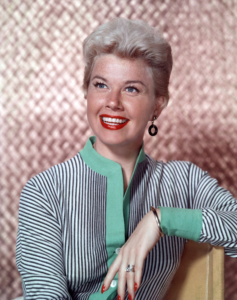 On this day in 2019,
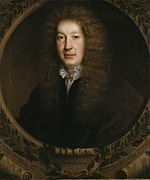

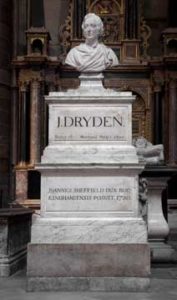 The Final Footprint
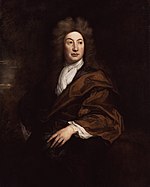
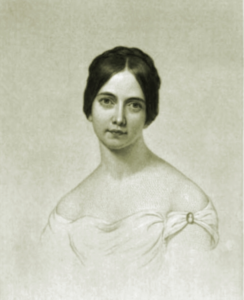 On this day in 1850, poet Frances Sargent Osgood died
 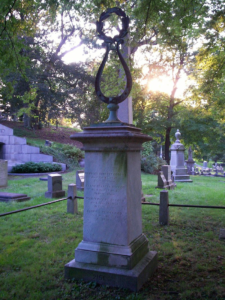 The Final Footprint
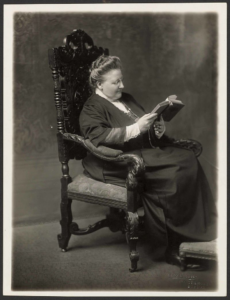 On this day in 1925, poet Amy Lowell died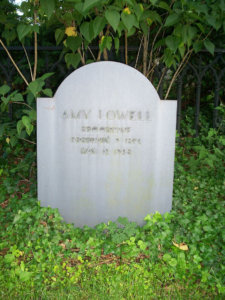
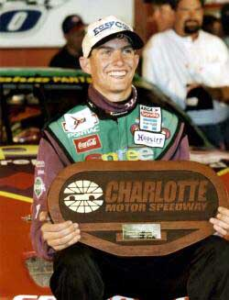 On this day in 2000, professional racing driver, great-grandson of Lee Petty, grandson of Richard Petty, son of Kyle Petty, Adam Petty died when his Busch series car crashed during a practice run at New Hampshire Motor Speedway in Loudon, New Hampshire, at the age of 19. Born Adam Kyler Petty on 10 July 1980 and raised in High Point, North Carolina.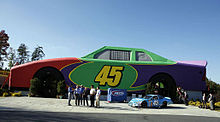

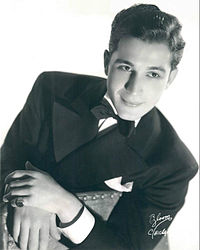

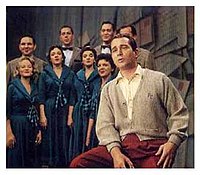
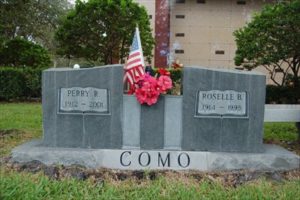 The Final Footprint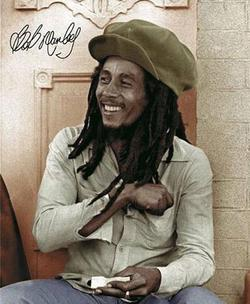
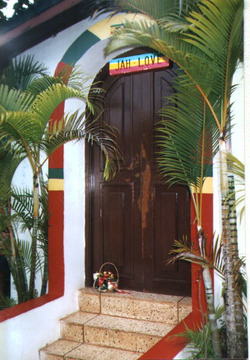
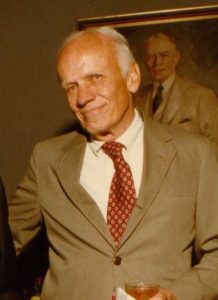
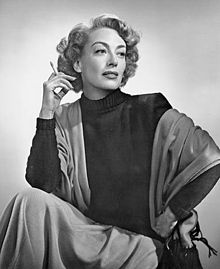 On this day in 1977, Academy Award winning actress, Joan Crawford died at her New York apartment from a heart attack at the age of 72. Born Lucille Fay LeSueur on 23 March 1905 in San Antonio, Texas. Crawford became one of Hollywood’s most prominent movie stars and one of the highest paid women in the United States. In 1931, she starred opposite Clark Gable in Possessed. They began an affair during the production, that lasted for many years. Crawford won her Oscar for the title role in Mildred Pierce (1945). She was married four times; Douglas Fairbanks, Jr. (1929-1933 divorce), Franchot Tone (1935-1939 divorce), Phillip Terry (1942-1946 divorce) and Alfred Steele (1955-1959 his death).
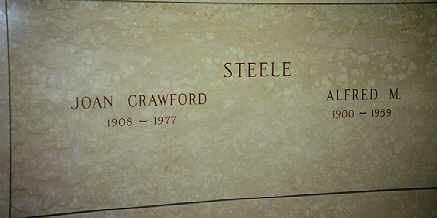 The Final Footprint – Crawford was cremated. Her cremains were entombed in a crypt next to her husband, Alfred Steele, in the Ferncliff Mausoleum, Ferncliff Cemetery in Hartsdale, New York. A funeral service was held at Frank E. Campbell Funeral Chapel (a
 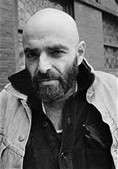 On this day in 1999,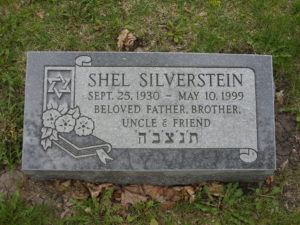
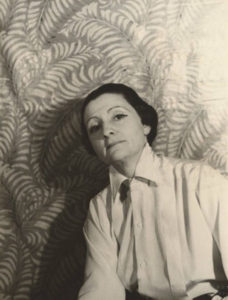 On this day in 1968,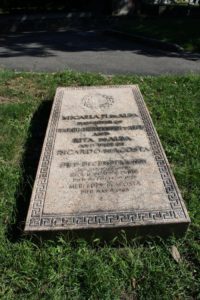
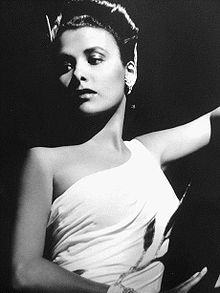 On this day in 2010, Grammy Award winning singer, Tony Award winning actress, civil rights activist and dancer, Lena Horne died in New York City of heart failure at the age of 92. Born Lena Mary Calhoun Horne on 30 June 1917 in the Bedford-Stuyvesant neighborhood of Brooklyn.
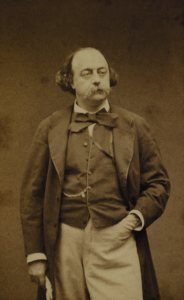 On this day in 1880, novelist Gustave Flaubert died in Croisset, France of a cerebral hemorrhage at the age of 58. Born on 12 December 1821, in Rouen, in the Seine-Maritime department of Upper Normandy, in northern France. In my opinion, one of the greatest novelists in Western literature. He is known especially for his first published novel, Madame Bovary (1857), for his Correspondence, and for his scrupulous devotion to his style and aesthetics. Flaubert was a notorious perfectionist and claimed always to be searching for le mot juste (“the precise word”). When it was first serialized in La Revue de Paris between 1 October 1856 and 15 December 1856, the novel was attacked for obscenity by public prosecutors. The resulting trial, held in January 1857, made the story notorious. After Flaubert’s acquittal on 7 February 1857, Madame Bovary became a bestseller when it was published as a single volume in April 1857. Flaubert’s masterpiece is now considered a seminal work of realism and one of the most influential novels ever written. From 1846 to 1854, Flaubert had a relationship with the poet Louise Colet; his letters to her survive. Flaubert never married.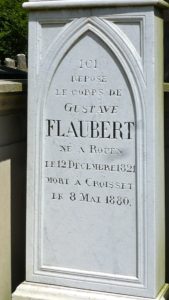
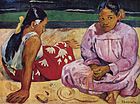
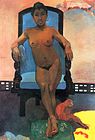
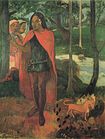
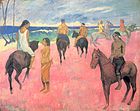
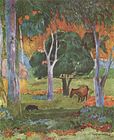
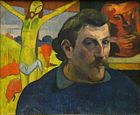
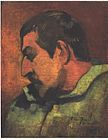
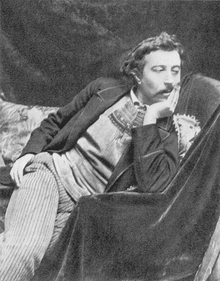 On this day in 1903, leading Post-Impressionist artist, Paul Gauguin died of syphilis in Atuona, Hiva ‘Oa, Marquesas Islands, French Polynesia at the age of 54. Born Eugène Henri Paul Gauguin on 7 June 1848 in Paris. In my opinion, one of the most influential artists to ever live. He married a Danish woman, Mette-Sophie Gad. Gauguin was friends with Vincent van Gogh, with whom in 1888 he spent nine weeks painting in Arles. He was also friends with Camille Pissarro and Paul Cézanne and painted with each of them. He made several attempts to find a tropical paradise where he could ‘live on fish and fruit’ and paint in his increasingly primitive style and frolic with the nubile native girls (see the gallery below). His travels took him to Martinique, the Panama Canal, Tahiti and the Marquesas Islands.
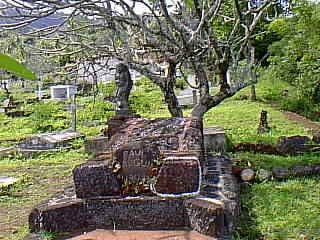 The Final Footprint – Gauguin is interred in Calvary Cemetery (Cimetière Calvaire), Atuona, Hiva ‘Oa, Marquesas Islands, French Polynesia. Gauguin’s life inspired W. Somerset Maugham’s novel The Moon and Sixpence. Mario Vargas Llosa based his 2003 novel The Way to Paradise on Gauguin’s life. Gauguin is also the subject of at least two operas: Federico Elizalde‘s Paul Gauguin (1943); and Gauguin (a synthetic life) by Michael Smetanin and Alison Croggon. Déodat de Séverac wrote his Elegy for piano in memory of Gauguin.











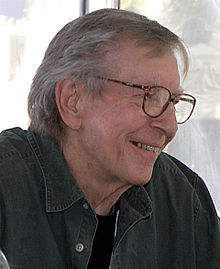 On this day in 2009, journalist, sportswriter, novelist, biographer and screenwriter, Bud Shrake died at St. David’s Hospital in Austin, of complications from lung cancer at the age of 77. Born Edwin A. Shrake, Jr. in Fort Worth on 6 September 1931. Shrake co-wrote a series of golfing advice books with legendary golf coach Harvey Penick, including Harvey Penick’s Little Red Book, a golf guide that became the best-selling sports book in publishing history. Called a “lion of Texas letters” by the Austin American-Statesman, Shrake was a member of the Texas Film Hall of Fame, and received the Lon Tinkle lifetime achievement award from the Texas Institute of Letters and the Texas Book Festival Bookend Award. Shrake married twice and was Texas Governor Ann Richards’ companion for 17 years, until her death in 2006. As the “first gentleman of Texas,” he escorted Richards to her inaugural ball and to other social events, and organized card games inside the Texas governor’s mansion. Shrake was raised in Fort Worth’s Travis Avenue Baptist Church, but that did not stop him from obtaining ordination by the Universal Life Church and officiating at the wedding of friends such as writer Gary Cartwright.
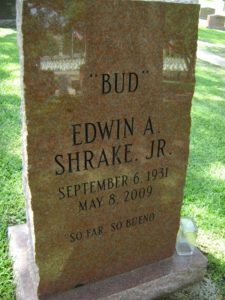 The Final Footprint – The staff at the Austin Country Club lowered its club flag to half staff in recognition of Shrake’s death. At Shrake’s funeral, Ray Benson sang Willie Nelson‘s “I Still Can’t Believe You’re Gone” while Nelson sang “Angel Flying Too Close to the Ground”. Cartwright called Shrake “my friend, compadre and mentor for 50 years. Every success I enjoyed owed directly or indirectly to Bud Shrake.” At the graveside service, Jerry Jeff Walker played two songs: Charles John Quarto and Shake Russell‘s “Dare of an Angel” and the Walter Donaldson and Gus Kahn standard “My Buddy.” Shrake’s hearse bore the Mad Dog Productions sign in the back window.Shrake is interred next to Richards in the Texas State Cemetery. Other notable final footprints at Texas State Cemetery include; Stephen F. Austin, John B. Connally, Nellie Connally, J. Frank Dobie, Barbara Jordan, Tom Landry (cenotaph), James A. Michener (cenotaph), Ann Richards, Big Foot Wallace, and Walter Prescott Webb.
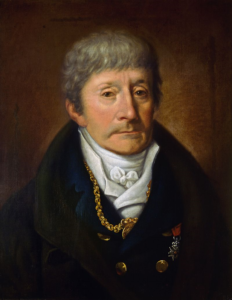 On this day in 1825,
 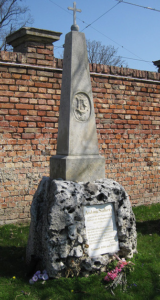 The Final Footprint
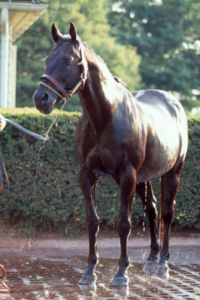 On this day in 2002 Thoroughbred race horse who won the United States Triple Crown of Thoroughbred Racing in 1977, Seattle Slew died in his sleep at Hill ‘N’ Dale Farm, Lexington, Kentucky, 25 years to the day he won the Kentucky Derby, at the age of 28. Foaled on 15 February 1974 at Ben Castleman’s White Horse Acres Farm near Lexington, Kentucky. A descendant of the great sire Nearco through his son, Nasrullah, Seattle Slew was sired by Bold Reasoning and out of My Charmer. He was named Champion 2-Year-Old of 1976. The big nearly-black colt swept through the Triple Crown races and was named Champion 3-Year-Old of 1977 and Eclipse Award American Horse of the Year. Seattle Slew is the only Belmont Stakes winner to sire a Belmont Stakes winner, A.P. Indy (whose damsire was the great Secretariat), who in turn sired Belmont Stakes winner, Rags to Riches.
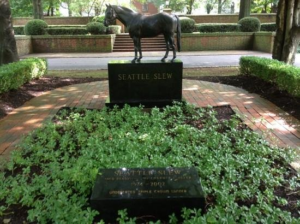 The Final Footprint – Seattle Slew was buried whole, the highest honor for a race horse, in the courtyard at Hill ‘N’ Dale Farm with his favorite blanket and a bag of peppermints which he liked to eat. Three Chimneys Farm, Midway, Kentucky erected a statue of Seattle Slew near the stallion barn in his honor.

