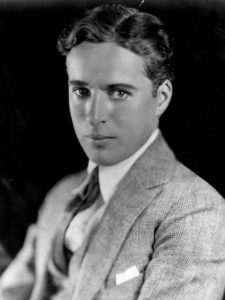
by Strauss-Peyton Studio, bromide print, circa 1920
On this day in 1977, actor, filmmaker, and composer Charlie Chaplin died at his home Manoir de Ban, or Champ de Ban Estate Manor, located at Corsier-sur-Vevey on the banks of Lake Geneva in Switzerland after suffering a stroke in his sleep at the age of 88. Born Charles Spencer Chaplin on 16 April 1889 possibly at East Street, Walworth, in South London. He became a worldwide icon through his screen persona, “the Tramp”, and in my opinion, is one of the most important figures in the history of the film industry. His career spanned more than 75 years, from childhood in the Victorian era until a year before his death in 1977, and encompassed both adulation and controversy.
Chaplin’s childhood in London was one of poverty and hardship, as his father was absent and his mother struggled financially, and he was sent to a workhouse twice before the age of nine. When he was 14, his mother was committed to a mental asylum. Chaplin began performing at an early age, touring music halls and later working as a stage actor and comedian. At 19, he was signed to the prestigious Fred Karno company, which took him to America. He was scouted for the film industry and began appearing in 1914 for Keystone Studios. He soon developed the Tramp persona. By 1918, he was one of the best-known figures in the world.
In 1919, Chaplin co-founded the distribution company United Artists which gave him complete control over his films. His first feature-length film was The Kid (1921), followed by A Woman of Paris (1923), The Gold Rush (1925), and The Circus (1928). He refused to move to sound films in the 1930s, instead producing City Lights (1931) and Modern Times (1936) without dialogue. He became increasingly political, and his next film The Great Dictator (1940) satirized Adolf Hitler. The 1940s were a decade marked with controversy for Chaplin, and his popularity declined. He was accused of communist sympathies, while he created scandal through his involvement in a paternity suit and his marriages to much younger women. An FBI investigation was opened, and Chaplin was forced to leave the United States and settle in Switzerland. He abandoned the Tramp in his later films, which include Monsieur Verdoux (1947), Limelight (1952), A King in New York (1957), and A Countess from Hong Kong (1967).
Chaplin wrote, directed, produced, edited, starred in, and composed the music for most of his films. He was a perfectionist, and his financial independence enabled him to spend years on the development and production of a picture. His films are characterized by slapstick combined with pathos, typified in the Tramp’s struggles against adversity. Many contain social and political themes, as well as autobiographical elements. He received an Honorary Academy Award for “the incalculable effect he has had in making motion pictures the art form of this century” in 1972, as part of a renewed appreciation for his work. He continues to be held in high regard, with The Gold Rush, City Lights, Modern Times, and The Great Dictator often ranked on lists of the greatest films of all time.
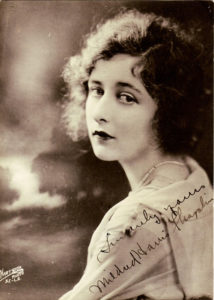 Before the creation of United Artists, Chaplin married for the first time. The 16-year-old actress Mildred Harris had revealed that she was pregnant with his child, and in September 1918, he married her quietly in Los Angeles to avoid controversy. Soon after, the pregnancy was found to be false. Chaplin was unhappy with the union and, feeling that marriage stunted his creativity, struggled over the production of his film Sunnyside. Harris was by then legitimately pregnant, and on 7 July 1919, gave birth to a son. Norman Spencer Chaplin was born malformed and died three days later. The marriage ended in April 1920, with Chaplin explaining in his autobiography that they were “irreconcilably mismated”.
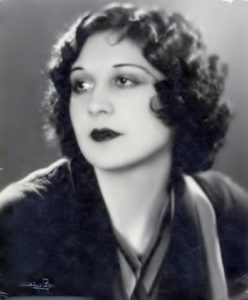 While making The Gold Rush, Chaplin married for the second time. Mirroring the circumstances of his first union, Lita Grey was a teenage actress, originally set to star in the film, whose surprise announcement of pregnancy forced Chaplin into marriage. She was 16 and he was 35, meaning Chaplin could have been charged with statutory rape under California law. He therefore arranged a discreet marriage in Mexico on 25 November 1924. Their first son, Charles Spencer Chaplin, Jr., was born on 5 May 1925, followed by Sydney Earl Chaplin on 30 March 1926.
It was an unhappy marriage, and Chaplin spent long hours at the studio to avoid seeing his wife. In November 1926, Grey took the children and left the family home. A bitter divorce followed, in which Grey’s application – accusing Chaplin of infidelity, abuse, and of harbouring “perverted sexual desires” – was leaked to the press. Chaplin was reported to be in a state of nervous breakdown, as the story became headline news and groups formed across America calling for his films to be banned. Eager to end the case without further scandal, Chaplin’s lawyers agreed to a cash settlement of $600,000 – the largest awarded by American courts at that time. His fan base was strong enough to survive the incident, and it was soon forgotten, but Chaplin was deeply affected by it.
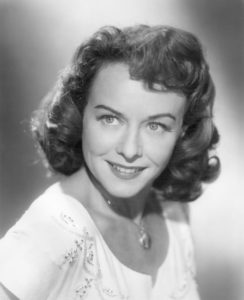 In his autobiography, Chaplin recalled that on his return to Los Angeles, “I was confused and without plan, restless and conscious of an extreme loneliness”. He briefly considered retiring and moving to China. Chaplin’s loneliness was relieved when he met 21-year-old actress Paulette Goddard in July 1932, and the pair began a relationship.
Modern Times was announced by Chaplin as “a satire on certain phases of our industrial life.” Featuring the Tramp and Goddard as they endure the Great Depression, it took ten and a half months to film. Chaplin intended to use spoken dialogue but changed his mind during rehearsals. Like its predecessor, Modern Times employed sound effects but almost no speaking. Following the release of Modern Times, Chaplin left with Goddard for a trip to the Far East. The couple had refused to comment on the nature of their relationship, and it was not known whether they were married or not. Some time later, Chaplin revealed that they married in Canton during this trip. By 1938, the couple had drifted apart, as both focused heavily on their work, although Goddard was again his leading lady in his next feature film, The Great Dictator. She eventually divorced Chaplin in Mexico in 1942, citing incompatibility and separation for more than a year.
The Final Footprint

The funeral, on 27 December, was a small and private Anglican ceremony, according to his wishes. Chaplin was interred in the cemetery of Corsier-sur-Vevey, Switzerland.
On 1 March 1978, Chaplin’s coffin was dug up and stolen from its grave by two unemployed immigrants, Roman Wardas, from Poland, and Gantcho Ganev, from Bulgaria. The body was held for ransom in an attempt to extort money from his daughter Oona Chaplin. The pair were caught in a large police operation in May, and Chaplin’s coffin was found buried in a field in the nearby village of Noville. It was re-interred in the Corsier cemetery surrounded by reinforced concrete.
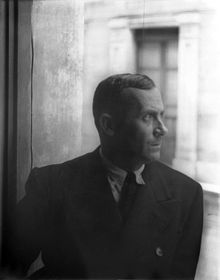 On this day in 1983, painter, sculptor, and ceramicist, Joan Miró died from heart disease in his home in Palma, Majorca at the age of 90. Born Joan Miró i Ferrà on 20 April 1893 in Barcelona. Earning international acclaim, his work has been interpreted as Surrealism, a sandbox for the subconscious mind, a re-creation of the childlike, and a manifestation of Catalan pride. In numerous interviews dating from the 1930s onwards, Miró expressed contempt for conventional painting methods as a way of supporting bourgeois society, and famously declared an “assassination of painting” in favour of upsetting the visual elements of established painting. A museum dedicated to his work, the Fundació Joan Miró, was established in his native city of Barcelona in 1975, and another, the Fundació Pilar i Joan Miró, was established in his adoptive city of Palma de Mallorca in 1981. Miró married Pilar Juncosa in Palma (Majorca) on 12 October 1929.
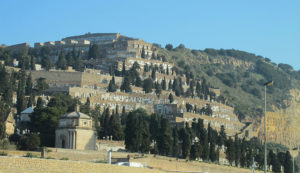
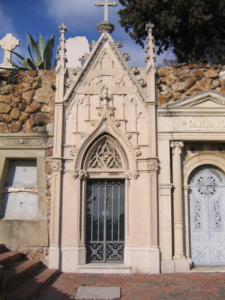
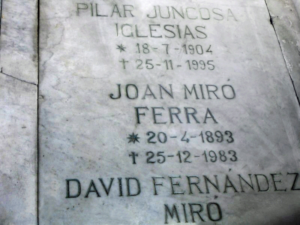
The Final Footprint – Miró is entombed in Cementiri de Montjuïc, Barcelona.
Gallery

April 1917, Portrait of Vincent Nubiola (Portrait de Vincenç Nubiola), oil on canvas, 104 x 113 cm, Folkwang Museum

1918, La casa de la palmera (House with Palm Tree), oil on canvas, 65 x 73 cm, Museo Nacional Centro de Arte Reina Sofía

1918, Portrait of Heriberto Casany (Le chauffeur), oil on canvas, 70.2 x 62 cm, Kimbell Art Museum

1919, Nu au miroir (Nude with a Mirror, Naakt met mirror), oil on canvas, 113 x 102 cm, Kunstsammlung Nordrhein-Westfalen

1920, Les cartes espagnoles (The Spanish Playing Cards), oil on canvas, 63.5 x 69.5 cm, Minneapolis Institute of Arts

1920, Horse, Pipe and Red Flower, oil on canvas, 82.6 × 74.9 cm, Philadelphia Museum of Art
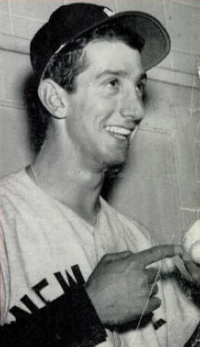 On this day in 1989, baseball player, All-Star second
  baseman, manager, 5× World Series champion (1951–1953, 1956, 1977), New York Yankees #1 retired, Billy Martin died in a low speed, single vehicle collision during an ice storm at the end of the driveway to his farm in Port Crane, north of Binghamton, New York, at the age of 61. Born Alfred Manuel Martin, Jr. on 16 May 1928 in Berkeley, California. Perhaps best known as the manager of the New York Yankees, a position he held five different times. As Yankees manager, he led the team to consecutive American League pennants in 1976 and 1977; the Yankees were swept in the 1976 World Series by the Cincinnati Reds but triumphed over the Los Angeles Dodgers in six games in the 1977 World Series. As a manager, Martin was known for turning losing teams into winners, and for arguing animatedly with umpires, including a widely parodied routine in which he kicked dust on their feet. On 10 August 1986, the Yankees retired Martin’s uniform number 1 and dedicated a plaque in his honor for Monument Park at Yankee Stadium. The plaque contains the words, There has never been a greater competitor than Billy. Martin told the crowd, “I may not have been the greatest Yankee to put on the uniform, but I am the proudest.” On 24 May 1986, on the season finale of Saturday Night Live, co-host Martin was “fired” by executive producer Lorne Michaels for being “drunk” in a skit, slurring his lines. During the goodnights, Martin “sets fire” to the dressing room in retaliation. In 1988, on Saturday Night Live’s “Weekend Update,” comedian Dennis Miller opened the sports segment with, “In Calgary tonight, Katarina Witt won the gold medal in figure skating, prompting Yankees owner George Steinbrenner to fire manager Billy Martin.” Steinbrenner and Martin appeared together in a series of funny commercials for Miller Lite beer. Martin was married four times Lois Berndt, Gretchen Winkler, Heather Ervolino, and Jillian Guiver.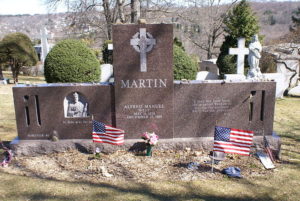
The Final Footprint – Martin was eulogized by Cardinal John O’Connor at St. Patrick’s Cathedral, New York, before his funeral at Gate of Heaven Cemetery in Hawthorne, New York. His grave is located about 150 feet (46 m) from the grave of Babe Ruth in Section 25. The following epitaph appears on the headstone: I may not have been the greatest Yankee to put on the uniform, but I was the proudest. Former United States President Richard Nixon and Steinbrenner, along with many former New York Yankees greats attended Martin’s funeral service. Other notable Yankees whose final footprints include memorialization in Monument Park; Babe Ruth, Lou Gehrig, Joe DiMaggio, George Steinbrenner, Thurman Munson, Mickey Mantle, Roger Maris, Phil Rizzuto, Mel Allen, Bob Sheppard, and Casey Stengel. Other notable final footprints at Gate of Heaven include; James Cagney, Babe Ruth, Sal Mineo, and Dutch Schultz.
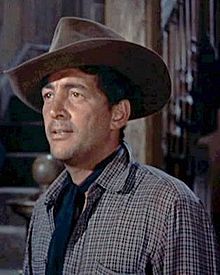 On this day in 1995, legendary singer and actor, American icon, member of the Rat Pack, The King of Cool, Dean Martin, died from emphysema at his Beverly Hills home at the age 78. Born Dino Paul Crocetti on 7 June 1917 in Steubenville, Ohio to Italian parents. Martin was a major star in four areas of show business: concert stage/night clubs, recordings, motion pictures, and television. Martin was on the nightclub circuit when he met the comic Jerry Lewis at the Glass Hat Club in New York. They formed a friendship and soon began participating in each other’s acts combining their musical and comedic talents. Martin and Lewis made their offical debut at Atlantic City’s 500 Club on 24 July 1946. From then until 1956 they were one of the hottest acts in America appearing in clubs, on television and in movies. By the mid ’60s, Martin was a top movie, recording, and nightclub star. He first starred alongside Frank Sinatra in the Vincente Minnelli drama, Some Came Running (1958). Martin was acclaimed for his performance as Dude in Rio Bravo (1959), directed by Howard Hawks and also starring John Wayne and singer Ricky Nelson. He teamed up again with Wayne in The Sons of Katie Elder (1965), although perhaps unconvincingly cast as brothers. As a singer, Martin was influenced by Harry Mills, Bing Crosby, and Perry Como until he developed his own style and could hold his own in duets with Sinatra and Crosby. Like Sinatra, he could not read music, but he recorded more than 100 albums and 600 songs. His signature tune, “Everybody Loves Somebody”, improbably knocked The Beatles’ “A Hard Day’s Night” out of the number-one spot in the United States in 1964. Elvis was said to have been influenced by Martin’s style. In the late 1950s and early 1960s, Martin and Sinatra, along with friends Joey Bishop, Peter Lawford, and Sammy Davis, Jr. formed the legendary Rat Pack, so called by the public after an earlier group of social friends, the Holmby Hills Rat Pack centered on Humphrey Bogart and Lauren Bacall, of which Sinatra had been a member. The Martin-Sinatra-Davis-Lawford-Bishop group referred to themselves as “The Summit” or “The Clan”. Martin launched his weekly NBC comedy-variety series, The Dean Martin Show in 1965 which ran until 1974. After the show’s cancellation, NBC continued to air the Dean Martin Celebrity Roast format in a series of TV specials through 1984. Martin was married three times; Betty McDonald (1941 – 1949 divorce) Jeanne Biegger (1949 – 1972 divorce), Catherine Hawn (1973 – 1976 divorce). Perhaps my all-time favorite entertainer: Rio Bravo is one of my favorite movies; the Martin and Lewis movies are great; I remember wathcing his show on television; the roast specials were some of the funniest shows I ever saw; and of course he is one of my favorite singers. The holiday season does not officially start for me until I hear him sing, Baby it’s cold Outside.
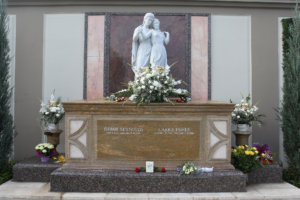
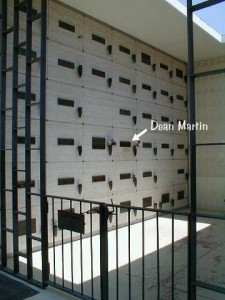 The Final Footprint – Martin is entombed in the Sanctuary of Love Mausoleum at Pierce Brothers Westwood Village Memorial Park and Mortuary (a Dignity Memorial® provider) in Los Angeles, California. The bronze plaque on his crypt has his name and birth and death dates and this inscription; EVERYBODY LOVES SOMEBODY SOMETIME. The lights of the Las Vegas Strip were dimmed in his honor. Martin has three stars on the Hollywood Walk of Fame: One at 6519 Hollywood Blvd. (for movies), one at 1817 Vine (for recordings) and one at 6651 Hollywood Boulevard (for television). His footprints were immortalized at Grauman’s Chinese Theater in 1964. Other notable final footprints at Westwood include; Ray Bradbury, Sammy Cahn, Truman Capote, James Coburn, Rodney Dangerfield, Janet Leigh, Farrah Fawcett, Hugh Hefner, Brian Keith, Don Knotts, Burt Lancaster, Peter Lawford, Peggy Lee, Jack Lemmon, Karl Malden, Dean Martin, Walter Mathau, Marilyn Monroe, Carroll O’Connor, Roy Orbison, Donna Reed, George C. Scott, Dorothy Stratten, Natalie Wood, and Frank Zappa.
#RIP #OTD in 1996 child beauty queen JonBenét Ramsey was killed by strangulation at the age of six in her family’s home in Boulder, Colorado. Saint James Episcopal Church, Marietta, Georgia
#RIP #OTD in 2005 Wagnerian dramatic soprano Birgit Nilsson died at her home at Bjärlöv, a small village near Kristianstad in Skåne, Sweden, aged 87. Västra Karups kyrkogård, Bastad, Båstads kommun, Skåne län, Sweden
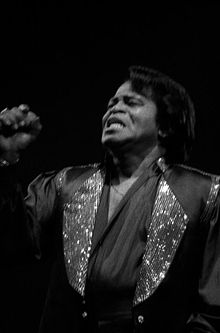 On this day in 2006, recording artist, musician, songwriter, the Hardest Working Man in Show Business, the Godfather of Soul, James Brown died from congestive heart failure resulting from complications of pneumonia, at age 73 with his personal manager and longtime friend Charles Bobbit at his bedside in the Emory Crawford Long Memorial Hospital in Atlanta. Born James Joseph Brown, Jr. on 3 May 1933, in Barnwell, South Carolina in a small wooden shack. One of the founding fathers of funk music and a major figure of 20th-century popular music and dance. In a career that spanned six decades, Brown influenced the development of several music genres. He began his career as a gospel singer in Toccoa, Georgia. Joining an R&B vocal group called the Avons that later evolved to become The Famous Flames, Brown served as the group’s lead singer. First coming to national public attention in the late 1950s as a member of The Flames with the ballads “Please, Please, Please” and “Try Me”, Brown built a reputation as a tireless live performer with the The Famous Flames and his backing band, sometimes known as the James Brown Band or the James Brown Orchestra. His success peaked in the 1960s with the live album Live at the Apollo and hit singles such as “Papa’s Got a Brand New Bag”, “I Got You” and “It’s a Man’s Man’s Man’s World”. During the late 1960s, Brown moved from a continuum of blues and gospel-based forms and styles to a profoundly “Africanized” approach to music-making that influenced the development of funk music. By the early 1970s, Brown had fully established the funk sound after the formation of The J.B.’s with records such as “Get Up (I Feel Like Being a) Sex Machine” and “The Payback”. Brown also became notable for songs of social commentary, including the 1968 hit “Say It Loud – I’m Black and I’m Proud”. He continued to perform and record for the duration of his life until his death. Brown recorded 16 number-one singles on the Billboard R&B charts. Brown was honored by many institutions including inductions into the Rock and Roll Hall of Fame and Songwriters Hall of Fame. Brown is included in most rankings of greatest artists of all time. Brown was married three times; Velma Warren (1953 – 1969 divorce), Deidre “Deedee” Jenkins (1970 – 1981 divorce) and Adrienne Lois Rodriguez (1984 – 1996 her death). A fourth marriage to Tomi Rae Hynie in 2002 was later ruled invalid.
The Final Footprint –
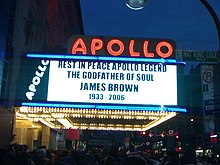
Public memorial at the Apollo Theater in Harlem

Public funeral in Augusta, Georgia, with Michael Jackson attending
After Brown’s death, Brown’s relatives and friends, a host of celebrities and thousands of fans attended public memorial services at the Apollo Theater in New York on 28 December 2006 and at the James Brown Arena on 30 December 2006 in Augusta, Georgia. A separate, private memorial service was also held in North Augusta, South Carolina on 29 December 2006, which was attended by Brown’s family and close friends. Celebrities who attended Brown’s public and/or private memorial services included among others; Michael Jackson, Jimmy Cliff, Joe Frazier, Buddy Guy, Ice Cube, Ludacris, Dr. Dre, Little Richard, Dick Gregory, MC Hammer, Prince, Jesse Jackson, Ice-T, Jerry Lee Lewis, Bootsy Collins, LL Cool J, Lil Wayne, Lenny Kravitz, 50 Cent, Stevie Wonder, Todd Williams and Don King. All of the public and private memorial services were officiated by Rev. Al Sharpton. Brown’s public and private memorial ceremonies were elaborate, complete with costume changes for Brown and videos featuring him in concert performances. Brown’s body, which was placed in a Promethean casket, which is bronze polished to a golden shine, was driven through the streets of New York to the Apollo Theater in a white, glass-encased horse-drawn carriage. In Augusta, Georgia, the procession for Brown’s public memorial visited Brown’s statue as the procession made its way to the James Brown Arena. During the public memorial at the James Brown Arena, nachos and pretzels were served to mourners, as a video showed Brown’s last performance in Augusta, Georgia and the Ray Charles version of “Georgia on My Mind” played soulfully in the background. Brown’s last backup band, The Soul Generals, also played the music of Brown’s hits during the memorial service at the James Brown Arena. The group was joined by Bootsy Collins on bass, with MC Hammer performing a dance in James Brown style. Former Temptations lead singer Ali-Ollie Woodson performed “Walk Around Heaven All Day” at the memorial services. Brown is entombed in the Thomas Family Home Crypt, Beech Island, Aiken County, South Carolina.
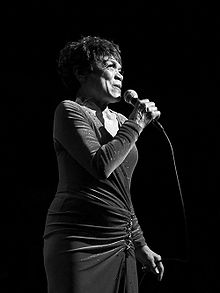 On this day in 2008, Tony nominated actress, singer, cabaret star, dancer, stand-up comedienne, activist and voice artist, Eartha Kitt died from colon cancer at her home in Weston, Connecticut at the age of 81, with her daughter by her side. Born Eartha Mae Keith on a cotton plantation in North, a small town in Orangeburg County near Columbia, South Carolina, on 17 January 1927. Known for her highly distinctive singing style and her 1953 recordings of “C’est Si Bon” and the enduring Christmas novelty smash “Santa Baby”, which were both US Top 10 hits. Orson Welles once called her the “most exciting woman in the world”. Kitt began her career in 1943 with the Katherine Dunham Company and appeared in the 1945 original Broadway production of the musical Carib Song. In the early 1950s, she had six US Top 30 hits, including “Uska Dara” and “I Want to be Evil”. Her other notable recordings include the UK Top 10 hit “Under the Bridges of Paris” (1954), “Just an Old Fashioned Girl” (1963) and “Where Is My Man” (1983). She took over the role of Catwoman in 1967 for the third and final season of the Batman television series, replacing Julie Newmar. In 1968, her career in America suffered after she made anti-war statements at a White House luncheon. Ten years later, she made a successful return to Broadway in the 1978 original production of the musical Timbuktu!, for which she received the first of her two Tony Award nominations. Her second was for the 2000 original production of the musical The Wild Partfy. After romances with the cosmetics magnate Charles Revson and banking heir John Barry Ryan III, she married John William McDonald, an associate of a real estate investment company, on 6 June 1960. They divorced in 1965.
The Final Footprint – Kitt was cremated.
#RIP #OTD in 2009 singer/songwriter (Kick My Ass, Sponge, Gravity of the Situation, Guilty by Association), Vic Chesnutt died from an overdose of muscle relaxants in an Athens, Georgia hospital aged 45. Cremation
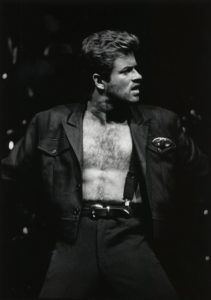 And on this day in 2016, singer, songwriter George Michael died from heart failure in his Oxfordshire home at the age of 53. Born Georgios Kyriacos Panayiotou on 25 June 1963 in East Finchley, London. Herose to fame as a member of the music duo Wham! and later embarked on a solo career. He was widely known for his work in the 1980s and 1990s, including hit Wham! singles such as “Wake Me Up Before You Go-Go” and “Last Christmas” and solo albums such as Faith (1987) and Listen Without Prejudice Vol. 1 (1990).
Michael achieved seven number one singles in the UK and eight number one songs on the Billboard Hot 100 in the US, including “Careless Whisper” and “Praying for Time”. Michael won various music awards throughout his 30-year career, including three Brit Awards, four MTV Video Music Awards, six Ivor Novello Awards, three American Music Awards, and two Grammy Awards from eight nominations. Michael, who came out as gay in 1998, was an active LGBT rights campaigner and HIV/AIDS charity fundraiser.
The Final Footprint

Tributes are seen surrounding Michael’s home in Goring-on-Thames, South

Unofficial memorial garden outside Michael’s home in Highgate, 29 July 2017
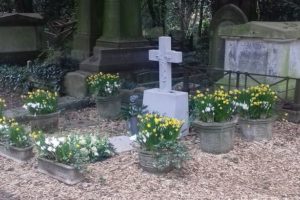 In a private ceremony, Michael was buried at Highgate Cemetery in north London, near his mother’s grave. Other notable final footprints as Highgate include; George Eliot, George Henry Lewes, Karl Marx, and Christina Rossetti.
Have you planned yours yet?
Follow TFF on twitter @RIPTFF
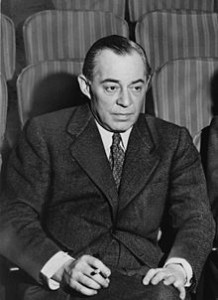 On this day in 1979, composer of music and one of only two people to win an Emmy, a Grammy, an Oscar, a Tony and a Pulitzer Prize, Richard Rodgers, died in New York City at the age of 77. Born Richard Charles Rodgers into a German Jewish family in Arverne, Queens, New York on 28 June 1902. He is best known for his songwriting partnerships with the lyricists Lorenz Hart and Oscar Hammerstein II. Rodgers composed music for more than 900 songs, for 43 Broadway musicals, films and television. My favorite Rodgers and Hart songs are; “Blue Moon”, “The Most Beautiful Girl in the World”, “My Funny Valentine”, “The Lady is a Tramp”, “Falling in Love with Love”, “Bewitched, Bothered and Bewildered”. My favorite Rodgers and Hammerstein songs are; “Oh, What a Beautiful Mornin'”, “People Will Say We’re in Love”, “If I Loved You”, “You’ll Never Walk Alone”, “It Might as Well Be Spring”, “Some Enchanted Evening”, “Getting to Know You”, “My Favorite Things”, “The Sound of Music”, “Climb Ev’ry Mountain. In 1930, Rodgers married Dorothy Belle Feiner. The other person with an EGOTP is Marvin Hamlisch.
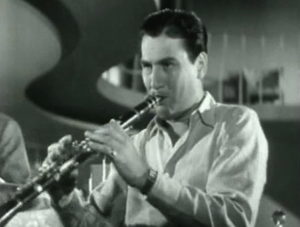 On this day in 2004, clarinetist, composer, bandleader, actor, and writer Artie Shaw died in Thousand Oaks, California at the age of 94. Born Arthur Jacob Arshawsky on May 23, 1910 in New York City. In my opinion, one of jazz’s finest clarinetists, Shaw led one of the United States’ most popular big bands in the late 1930s through the early 1940s. Perhaps best known for his 1938 recording of Cole Porter’s “Begin the Beguine”. Before the release of “Beguine”, Shaw and his band had languished in obscurity for over two years. After its release, he became a major pop artist. The record eventually became one of the era’s defining recordings. Musically restless, Shaw was also an early proponent of what became known much later as Third Stream music, which blended elements of classical and jazz forms and traditions. His music influenced other musicians, such as John Barry in England, with the vamp of the James Bond Theme, possibly influenced by “Nightmare”, which also has a similar vamp to Kurt Weill’s “Lonely House”.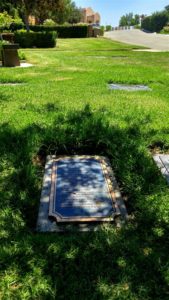
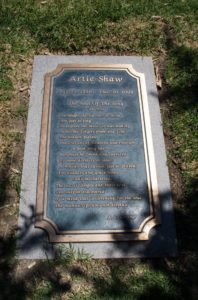 The Final Footprint

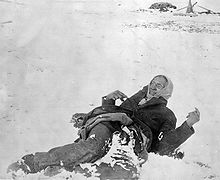
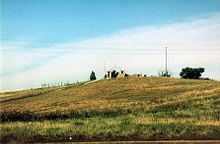
 Mass grave for the dead Lakota after the massacre


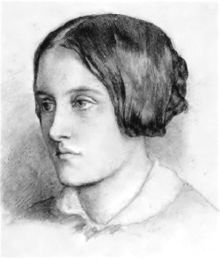 On this day in 1894, poet Christina Rossetti died in Torrington Square, Bloomsbury, London at the age of 64. Born Christina Georgina Rossetti at 38 Charlotte Street (now 105 Hallam Street), London to Gabriele Rossetti, a poet and a political exile from Vasto, Abruzzo, and Frances Polidori, the sister of Lord Byron‘s friend and physician, John William Polidori.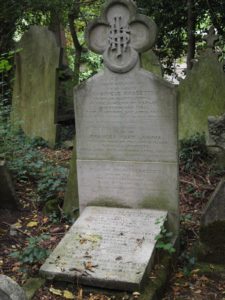
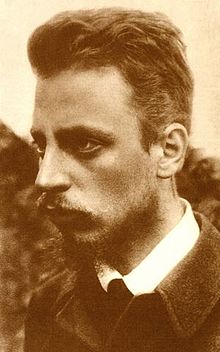 And on this day in 1926, poet and novelist
 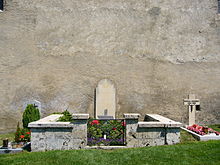 The Final Footprint – Rilke was interred on 2 January 1927 in the Raron cemetery to the west of Visp. Rilke had chosen as his own epitaph this poem:
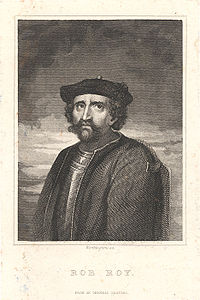 On this day in 1734, Scottish folk hero, cattleman, outlaw, the Scottish Robin Hood, Red MacGregor, Rob Roy, died at his house in Inverlochlarig Beg, Balquhidder, Scotland, at the age of 63. Born Robert Roy MacGregor at Glengyle, Scotland at the age of 63. Baptised 7 March 1671. Rob Roy is anglicised from the Scottish Gaelic Raibeart Ruadh, or Red Robert. This is because Rob Roy had red hair, though it darkened to auburn in later life. His father was Donald MacGregor, and his mother Margaret Campbell. He later met Mary Helen MacGregor of Comar, who was born at Leny Farm, Strathyre, and they were married in Glenarklet in January 1693. She bore him four sons: James (known as Mor or Tall), Ranald, Coll, and Robert (known as Robin Oig or Young Rob). Rob Roy together with his father joined the Jacobite rising led by Viscount Dundee, Bonnie Dundee, to support the Stuart King James who had been deposed by William of Orange.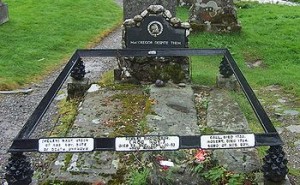
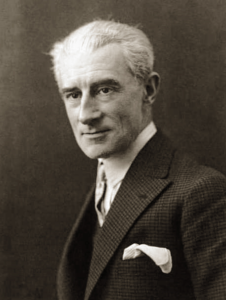 On this day in 1937, composer, pianist and conductor Maurice Ravel died in Paris at the age of 62. Born Joseph Maurice Ravel on 7 March 1875 in the Basque town of Ciboure, France, near Biarritz. He is often associated with impressionism along with his elder contemporary Claude Debussy, although both composers rejected the term. In the 1920s and 1930s Ravel was internationally regarded as France’s greatest living composer.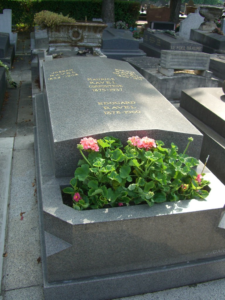
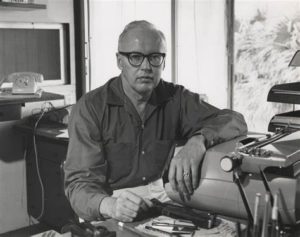 On this day in 1986, writer of novels and short stories John D. MacDonald died following complications of coronary artery bypass surgery in St. Mary’s Hospital in Milwaukee, Wisconsin, at the age of 70. Born John Dann MacDonald on July 24, 1916 in Sharon, Pennsylvania. MacDonald was a prolific author of crime and suspense novels, many of them set in his adopted home of Florida. Perhaps best known for his popular and critically acclaimed Travis McGee series, and his 1957 novel The Executioners, which was filmed as Cape Fear (1962) and remade in 1991.
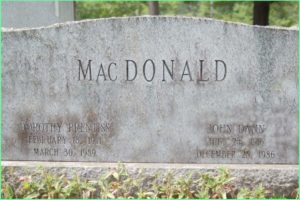 The Final Footprint
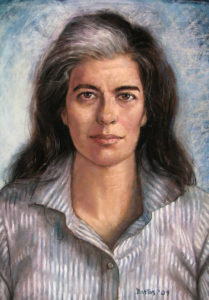 On this day in 2004, writer, filmmaker, philosopher, teacher, and political activist Susan Sontag died from complications of myelodysplastic syndrome in New York City, at the age of 71. Born Susan Rosenblatt in New York City on January 16, 1933. She mostly wrote essays, but also published novels; she published her first major work, the essay “Notes on ‘Camp'”, in 1964. Perhaps her best-known works include On Photography, Against Interpretation, Styles of Radical Will, The Way We Live Now, Illness as Metaphor, Regarding the Pain of Others, The Volcano Lover, and In America.
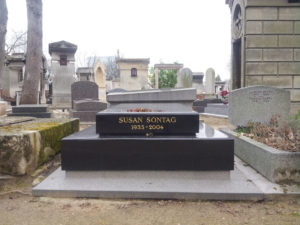 The Final Footprint
 On this day in 2015, musician, singer-songwriter, founder and frontman for Motörhead, Lemmy died at his apartment in Los Angeles at 4pm PST, from prostate cancer, congestive heart failure, and cardiac arrhythmia at the age of 70. Born Ian Fraser Kilmister on 24 December 1945 in Stoke-on-Trent, Staffordshire, England, United Kingdom. In my opinion, their music was one of the foundations of the heavy metal genre. He was known for his appearance (including his friendly mutton chops), and his distinctive gravelly, raspy singing voice. He was also known for his unmistakable bass playing style, using a Rickenbacker bass and over-driven Marshall tube bass stacks. Alongside his music career, he also had many minor roles and cameo appearances in film and television.

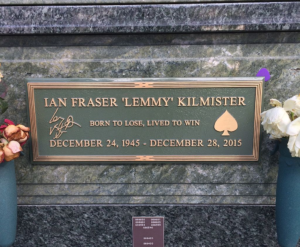 The Final Footprint
 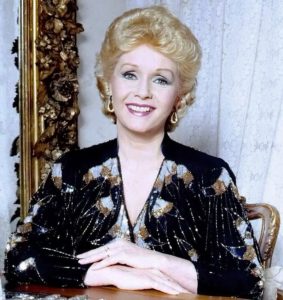 On this day in 2016, actress, singer, businesswoman, film historian, and humanitarian Debbie Reynolds died the day after her daughter Carrie Fisher, from a stroke at Cedars-Sinai Medical Center in Los Angeles at the age of 84. Born Mary Frances Reynolds on April 1, 1932 in El Paso, Texas. With a career spanning almost 70 years, She was nominated for the Golden Globe Award for Most Promising Newcomer for her portrayal of Helen Kane in the 1950 film Three Little Words, and her breakout role was her first leading role, as Kathy Selden in Singin’ in the Rain (1952). Other successes include The Affairs of Dobie Gillis (1953), Susan Slept Here (1954), Bundle of Joy (1956 Golden Globe nomination), The Catered Affair (1956 National Board of Review Best Supporting Actress Winner), and Tammy and the Bachelor (1957), in which her performance of the song “Tammy” reached number one on the Billboard music charts. In 1959, she released her first pop music album, titled Debbie.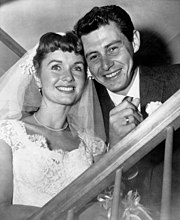
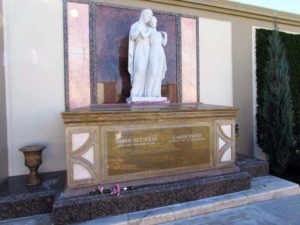 The Final Footprint
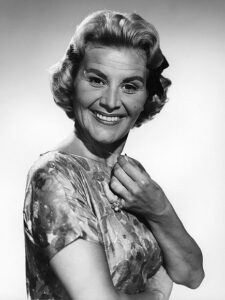 On this day in 2017 actress, singer, comedian, and vaudeville performer with a career ultimately spanning nine decades, which included film, radio, records, theater, night clubs and television, Rose Marie died at her home in the Van Nuys neighborhood of Los Angeles at the age of 94 . Born Rose Marie Mazzetta in Manhattan, New York, on August 15, 1923.
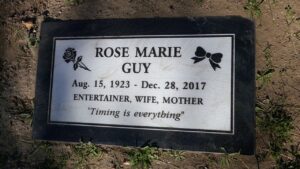 The Final Footprint
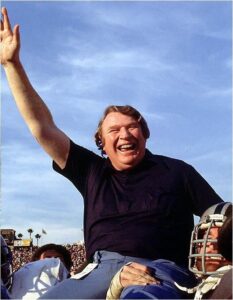 And on this day in 2021, American football coach and sports commentator in the National Football League (NFL) John Madden died in Pleasanton, California, aged 85. Born John Earl Madden in Austin, Minnesota on April 10, 1936.
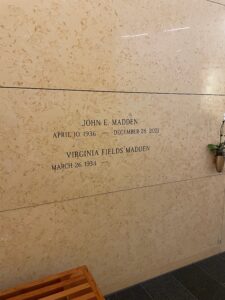 The Final Footprint
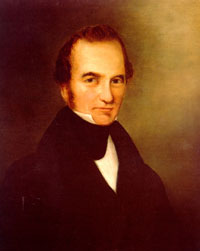 On this day in 1836, empresario, The Father of Texas, Stephen F. Austin died of pneumonia at noon at the home of George B. McKinstry right outside of what is now West Columbia, Texas. Born Stephen Fuller Austin in the mining region of southwestern Virginia (Wythe County) in what is now known as Austinville, some 256 miles (412 km) southwest of Richmond, Virginia. Austin led the second, and ultimately successful, colonization of Texas by bringing 300 families from the United States. Austin never married. On 10 June 1836, Austin was in New Orleans, where he received word of Santa Anna‘s defeat by Sam Houston at the Battle of San Jacinto. On August 4, Ausitn announced his candidacy for president of Texas. He felt confident he could win the election until two weeks before the election, when on August 20, Houston entered the race. Houston went on to win the election.
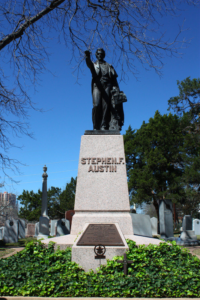 The Final Footprint
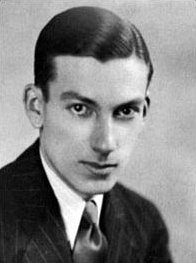 On this day in 1981, Oscar-winning composer, pianist, singer, actor, and bandleader, Hoagy Carmichael, died from a heart attack in Rancho Mirage, California at the age of 82. Born Hoagland Howard Carmichael on 22 November 1899 in Bloomington, Indiana. He is best known for writing the music to “Stardust”, “Georgia On My Mind”, “The Nearness of You”, and “Heart and Soul”, four of the most-recorded American songs of all time. In my opinion, Carmichael was one of the most talented, inventive, sophisticated and jazz-oriented of the hundreds of writers composing pop songs in the first half of the 20th century. The Oscar was awarded for “In the Cool, Cool, Cool, of the Evening”, lyrics by Johnny Mercer. Carmichael attended Indiana University and the Indiana University School of Law, where he received his Bachelor’s degree in 1925 and a law degree in 1926. He married twice; Ruth Menardi in 1935 and Dorothy Wanda McKay in 1977.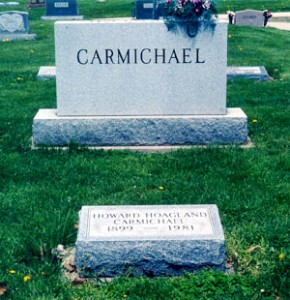

 The Final Footprint
 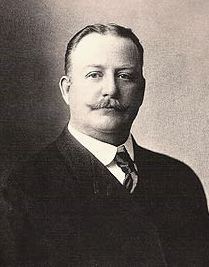 On this day in 1909, painter, illustrator, sculptor, and writer, Frederic Remington died after an emergency appendectomy led to peritonitis, at the age of 48 in Ridgefield, Connecticut. Born Fredieric Sackrider Remington in Canton, New York on 4 October 1861.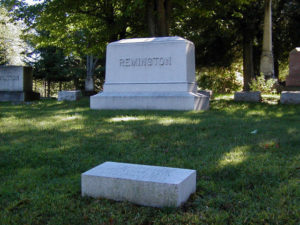
 The Hunters’ Supper
 The Outlier
 The Parley
 Fight for the Waterhole
 Indians Simulating Buffalo
 The Scout: Friends or Foes?, 1902–1905, oil on canvas, Sterling and Francine Clark Art Institute, Williamstown, Massachusetts
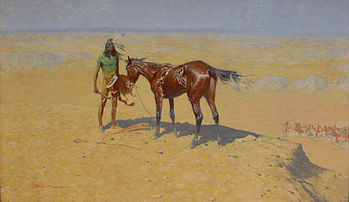 Ridden Down (1905–1906) depicts an Indian in defeat with his horse exhausted, stoically calling the spirits while awaiting his fate
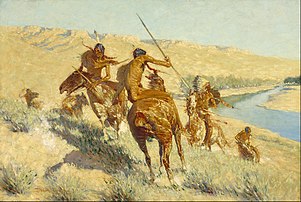 Episode of the Buffalo Gun
 The Hussar
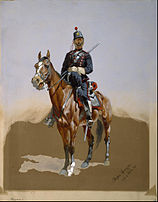 The Gendarme
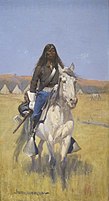 Mounted Indian Scout
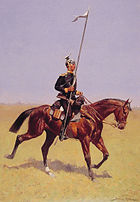 Uhlan
Uhlan Scouts Climbing a Mountain
 The Old Stage-Coach of the Plains, 1901
 A Map in the Sand
 A Dash for the Timber depicts cowboys in the Southwest shooting at Apaches in the rear. One of the eight riders is already wounded but remains on his horse.
 His First Lesson 1903
 The Call for Help
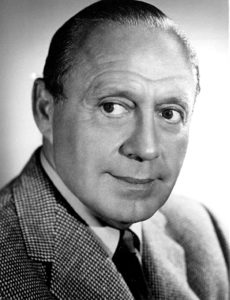 On this day in 1974, comedian, vaudevillian, radio, television and film actor, and violinist Jack Benny died from pancreatic cancer in Los Angeles at the age of 80. Born
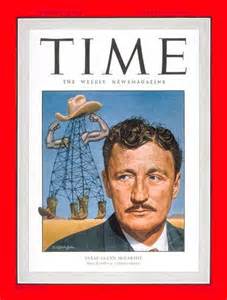 On this day in 1988, oil tycoon, King of the Wildcatters, Diamond Glenn, Glenn McCarthy died in Houston at the age of 81. Born Glenn Herbert McCarthy on 25 December 1907 in Beaumont, Texas almost seven years after the discovery of oil at Spindletop. McCarthy was an oil prospector and entrepreneur who owned many businesses in various sectors of the economy. McCarthy founded the Shamrock Hotel in Houston, which gained him national fame and inspired the fictional character Jett Rink in Edna Ferber’s 1952 novel Giant along with its 1956 film adaptation, which starred James Dean in the role. McCarthy married Faustine Lee.
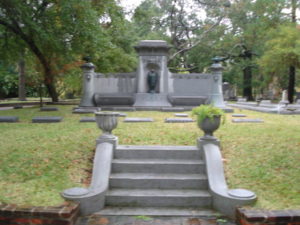 The Final Footprint – McCarthy is interred in the Lee Family Private Estate in Glenwood Cemetery in Houston. One of the offices I worked in when I worked in Houston had a great view of Glenwood Cemetery. Other notable Final Footprints at Glenwood include; Maria Franklin Prentiss Langham Gable, Oveta Culp Hobby, William P. Hobby, Howard Hughes, Anson Jones and Gene Tierney, who married into the Lee family and is interred in the same estate.
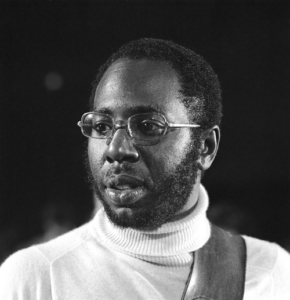 On this day in 1999, singer-songwriter, guitarist Curtis Mayfield died from complications of type 2 diabetes at the North Fulton Regional Hospital in Roswell, Georgia at the age of 57. Born Curtis Lee Mayfield on June 3, 1942 in Chicago. In my opinion, Mayfield was one of the most influential musicians behind soul and politically conscious African-American music. He first achieved success and recognition with The Impressions during the civil rights movement of the late 1950s and 1960s, and later worked as a solo artist.
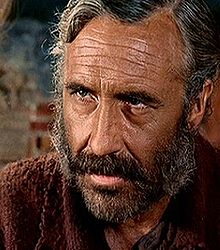 On this day in 2000, United States Navy veteran, Emmy, Tony and Academy award-winning actor, Jason Robards, died of lung cancer in Bridgeport, Connecticut at the age of 78. Born Jason Nelson Robards, Jr. on 26 July 1922 in Chicago, Illinois. I particularly enjoyed his performances in; A Big Hand for the Little Lady (1966), Once Upon a Time in the West (1968), Comes a Horseman (1978), Melvin and Howard (1980), A Thousand Acres (1997). Robards married four times; Eleanor Pittman (1948 – 1958 divorce), Rachel Taylor (1959 – 1961 divorce), Lauren Bacall (1961 – 1969 divorce), Lois O’Connor (1970 – 2000 his death).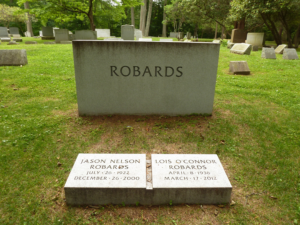
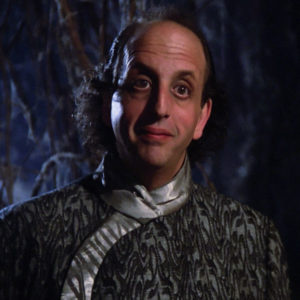 On this day in 2005, actor and food writer Vincent Schiavelli died of lung cancer, aged 57, at his home in Polizzi Generosa, Sicily. Born Vincent Andrew Schiavelli on November 11, 1948 in Brooklyn. Perhaps best known as a sad-faced character actor, Schiavelli was diagnosed Marfan syndrome in childhood. His roles include Fredrickson in One Flew Over the Cuckoo’s Nest (1975), Mr. Vargas in Fast Times at Ridgemont High (1982), the Subway Ghost in Ghost (1990), Organ Grinder in Batman Returns (1992), Chester in The People vs Larry Flynt (1996), Dr. Kaufman in Tomorrow Never Dies (1997), and ABC executive Maynard Smith in Man on the Moon (1999). Before his death in 2005, Vincent Schiavelli was considered by many as one of Hollywood’s best character actors. Roger Ebert stated “Schiavelli had a way of slipping into films without people knowing his name, but they remembered his great performances as unique characters.”
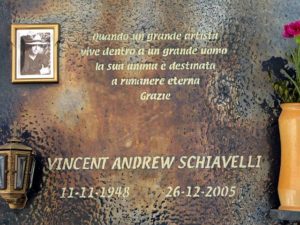 The Final Footprint
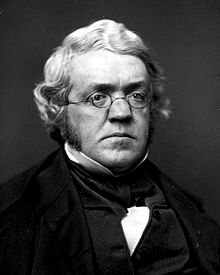 On this day in 1863, novelist William Makepeace Thackeray died from a stroke in his bed in London at the age of 52. Born on 18 July 1811 in Calcutta, India, where his father, Richmond Thackeray (1 September 1781 – 13 September 1815), was secretary to the board of revenue in the British East India Company. Thackeray was famous for his satirical works, particularly Vanity Fair, a panoramic portrait of English society. He married Isabella Gethin Shawe.
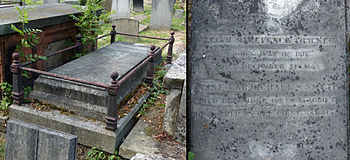 The Final Footprint – Due to his unexpected death, his family, friends, and reading public were shocked. An estimated 7000 people attended his funeral at Kensington Gardens. He was buried on 29 December at Kensal Green Cemetery, and a memorial bust sculpted by Marochetti can be found in Westminster Abbey. Other notable final footprints at Kensal Green include Leigh Hunt and Harold Pinter (see below). In addition, Ingrid Bergman, Freddie Mercury and Alan Rickman were cremated at Kensal Green.
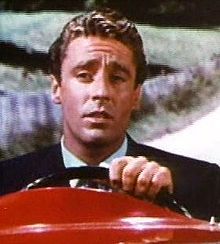 On this day in 1984, actor, member of the Rat Pack Peter Lawford, died from cardiac arrest at Cedars-Sinai Medical Center in Los Angeles at the age of 61. Born Peter Sydney Vaughn Aylen on 7 September 1923 in London. A member of the “Rat Pack” with Frank Sinatra, Dean Martin, Sammy Davis, Jr. and Joey Bishop. Lawford was married four times; Patricia Kennedy (1954 – 1966 divorce) sister of then-US Senator John F. Kennedy (Lawford, along with other members of the “Rat Pack”, helped campaign for Kennedy and the Democratic Party; Sinatra famously dubbed him “Brother-in-Lawford” at this time), Mary Rowan (1971 – 1975 divorce) the daughter of comedian Dan Rowan, Deborah Gould (1976 – 1977 divorce), and Patricia Seaton (1984 – 1984 his death).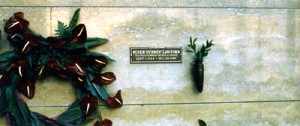
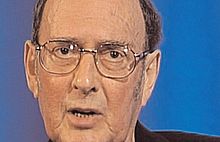 On this day in 2008, Nobel Prize-winning English playwright, screenwriter, director and actor, Harold Pinter died at Hammersmith Hospital in London, from liver cancer at the age of 78. Born on 10 October 1930, in Hackney, east London. In my opinion, one of the most influential modern British dramatists, his writing career spanned more than 50 years. Perhaps his best-known plays include The Birthday Party (1957), The Homecoming (1964), and Betrayal (1978), each of which he adapted for the screen. His screenplay adaptations of others’ works include The Servant (1963), The Go-Between (1971), The French Lieutenant’s Woman (1981), The Trial (1993), and Sleuth (2007). Pinter also directed or acted in radio, stage, television, and film productions of his own and others’ works. In 1956 he married actress Vivien Merchant. He left Merchant in 1975 and married author Lady Antonia Fraser in 1980. Pinter received over 50 awards, prizes, and other honours, including the Nobel Prize in Literature in 2005 and the French Légion d’honneur in 2007.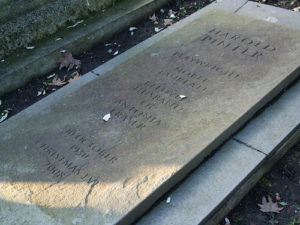
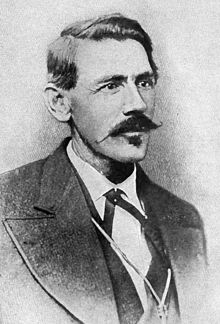 On this day in 1884, cattle baron in the American West, John Chisum died in Eureka Springs, Arkansas, where he had repeatedly sought treatments, due to complications from surgery to remove a growth from his jaw, at the age of 60. Born John Simpson Chisum on 15 August 1824 in Hardeman County, Tennessee. Chisum moved with his family to Texas in 1837, finding work as a building contractor. He also served as county clerk in Lamar County. Chisum was of Scottish, English, and Welsh descent. In 1854, Chisum became engaged in the cattle business and became one of the first to send his herds to New Mexico Territory. He obtained land along the Pecos River by right of occupancy and eventually became the owner of a large ranch in the Bosque Grande, about forty miles south of Fort Sumner, with over 100,000 head of cattle. In 1866-67, Chisum formed a partnership with cattlemen Charles Goodnight and Oliver Loving to assemble and drive herds of cattle for sale to the United States Army in Fort Sumner and Santa Fe, New Mexico, to provide cattle to miners in Colorado as well as provide cattle to the Bell Ranch. A gambler, Chisum frequently played poker with Texas John Slaughter, a lawman in Texas and later the Arizona Territory. Chisum with money, advice, and influence behind the scenes, played a role in the Lincoln County War between the opposing factions of cattle farmers and business owners, and involving Billy the Kid. Chisum never married.
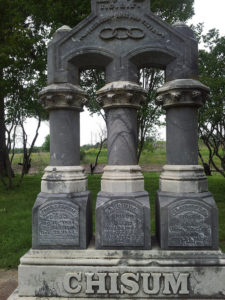 The Final Footprint – Chisum is interred in the Chisum Family Cemetery in Paris, Texas. He left his estate worth $500,000 to his brothers Pitzer and James. While living in Bolivar, Texas, he lived with a young slave girl named Jensie and had two daughters with her. The relationship is described in a book titled Three Ranches West. Chisum had an extended family living with him at the South Springs ranch in Roswell. Chisum’s niece Sallie, daughter of his brother James, became a beloved figure in the area, where she lived until 1934. Sallie kept a diary or journal that has historical importance because of its references to Billy the Kid and Pat Garrett, both of whom she knew. She and John Chisum are honored by statues to their memory in Roswell and Artesia, New Mexico. Chisum has been portrayed on film by John Wayne in Chisum (1970) and James Coburn in Young Guns II (1990).
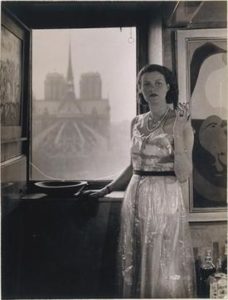 On this day in 1979, art collector, bohemian and socialite Peggy Guggenheim died from a stroke in Camposampiero near Padua, Italy at the age of 81. Born Marguerite Guggenheim on August 26, 1898 in Born to the wealthy New York City Guggenheim family, she was the daughter of Benjamin Guggenheim, who went down with the Titanic in 1912, and the niece of Solomon R. Guggenheim, who would establish the Solomon R. Guggenheim Foundation. Peggy Guggenheim created a noted art collection in Europe and America primarily between 1938 and 1946. She exhibited this collection as she built it and in 1949, settled in Venice, where she lived and exhibited her collection for the rest of her life. The Peggy Guggenheim Collection is a modern art museum on the Grand Canal in Venice, Italy, and is one of the most visited attractions in Venice.
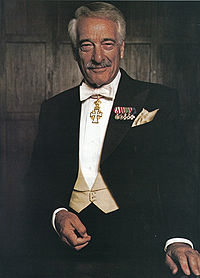 On this day in 2000, comedian, conductor and pianist, The Clown Prince of Denmark, The Unmelancholy Dane, The Great Dane, Victor Borge, died in Greenwich, Connecticut at the age of 91. Born Børge Rosenbaum on 3 January 1909 in Copenhagen, Denmark. Borge was married twice; Elsie Chilton (1933 – divorce) and Sarabel Sanna Scraper (1953 – 2000 her death).
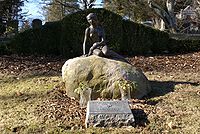 The Final Footprint – Borge was cremated. Part of his cremated remains were interred with his second wife at Putnam Cemetery in Greenwich, with a replica of Danish icon The Little Mermaid sitting on a large rock at the gravesite, the other part with his parents in Western Jewish Cemetery (Mosaisk Vestre Begravelsesplads), Copenhagen, Denmark.
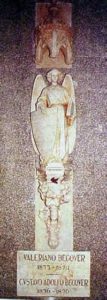
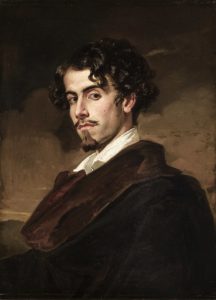 On this day in 1870, post-romanticist poet and writer, also a playwright, literary columnist, and artist, Gustavo Adolfo Bécquer died from tuberculosis in Madrid at the age of 34. Born Gustavo Adolfo Claudio Domínguez Bastida on February 17, 1836 in Seville. In my opinion, one of the most important figures in Spanish literature. He adopted the alias of Bécquer as his brother Valeriano Bécquer, a painter, had done earlier. It was after his death that most of his works were published. Perhaps his best known works are the Rhymes and the Legends, usually published together as Rimas y leyendas. These poems and tales are essential to the study of Spanish literature and common reading for high-school students in Spanish-speaking countries.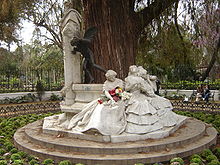
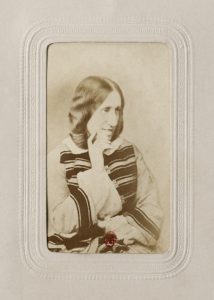 On this day in 1880, novelist, poet, journalist, translator and one of the leading writers of the Victorian era, George Eliot died at the age of 61 in Chelsea, Middlesex, England. Born Mary Ann Evans on 22 November 1819 in Nuneaton, Warwickshire, England. She is the author of seven novels, including Adam Bede (1859), The Mill on the Floss (1860), Silas Marner (1861), Middlemarch (1871–72), and Daniel Deronda (1876), most of them set in provincial England and known for their realism and psychological insight. Eliot used a male pen name, she said, to ensure her works would be taken seriously. Female authors were published under their own names during Eliot’s life, but she wanted to escape the stereotype of women only writing lighthearted romances. She also wished to have her fiction judged separately from her already extensive and widely known work as an editor and critic. An additional factor in her use of a pen name may have been a desire to shield her private life from public scrutiny and to prevent scandals attending her relationship with the married George Henry Lewes, with whom she lived for over 20 years. In my opinion, Middlemarch is one of the greatest novels in the English language. Eliot married John Cross (1880 – 1880 her death).
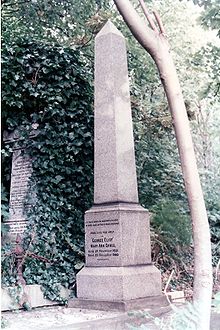 The Final Footprint – Eliot was not buried in Westminster Abbey because of her denial of the Christian faith and her “irregular” though monogamous life with Lewes. She was interred in Highgate Cemetery (East), Highgate, London in the area reserved for religious dissenters or agnostics, next to Lewes. In 1980, on the centenary of her death, a memorial stone was established for her in the Poets’ Corner. Several buildings in her birthplace of Nuneaton are named after her or titles of her novels, such as The George Eliot School (previously George Eliot Community School) and Middlemarch Junior School. In 1948, Nuneaton Emergency Hospital was named George Eliot Hospital in Eliot’s honour. George Eliot Road, in Foleshill, Coventry was named in her honour. Nuneaton motor cycle manufacturer John Birch named his motor cycles after her. A statue of Eliot is in Newdegate Street, Nuneaton, and Nuneaton Museum & Art Gallery has a display of material related to her. Other notable final footprints at Highgate include; Karl Marx, Christina Rossetti and Jean Simmons.
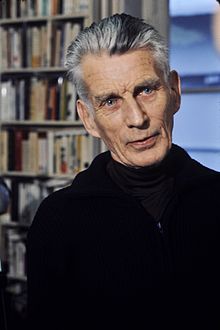 On this day in 1989, avant-garde novelist, playwright, theatre director, and poet, member of the French Resistance, Samuel Beckett died in a nursing home in Paris at the age of 83. Born Samuel Barclay Beckett on Good Friday, 13 April 1906 in Foxrock, Dublin. Beckett lived in Paris for most of his adult life and wrote in both English and French. His work offers a bleak, tragicomic outlook on human nature. In my opinion, Beckett is among the most influential writers of the 20th century. He is considered one of the last modernists. As an inspiration to many later writers, he is also sometimes considered one of the first postmodernists. Beckett is one of the key writers in what has been called the “Theatre of the Absurd”. His work became increasingly minimalist in his later career. Beckett was awarded the 1969 Nobel Prize in Literature “for his writing, which—in new forms for the novel and drama—in the destitution of modern man acquires its elevation”. He was elected Saoi of Aosdána in 1984. Suzanne Déchevaux-Dumesnil (1900 – 17 July 1989) was the tennis partner, lover, and later wife (1961 – 1989 her death) of Beckett. Barbara Bray had a long term relationship with Beckett, from 1961 to his death.
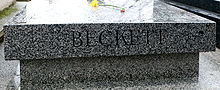 The Final Footprint – Suzanne died on 17 July 1989. The two were interred together in the Cimetière du Montparnasse in Paris and share a simple granite gravestone that follows Beckett’s directive that it should be “any colour, so long as it’s grey.” Other notable Final Footprints at Montparnasse include; Charles Baudelaire, Simone de Beauvoir, Emmanuel Chabrier, César Franck, Guy de Maupassant, Adah Isaacs Menken, Man Ray, Camille Saint-Saëns, Jean-Paul Sartre,
 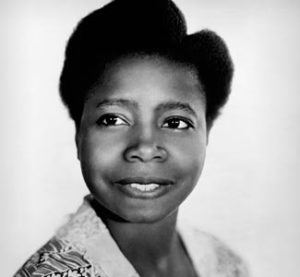 On this day in 1995, actress, Butterfly McQueen, died at the Augusta Regional Medical Center in Augusta, Georgia at the age of 84. Born Thelma McQueen on 7 January 1911 in Tampa, Florida. Apparently, her nickname was a tribute to her constantly moving hands. She appeared as Prissy, Scarlett O’Hara’s maid in the film version of Margaret Mitchell’s Gone with the Wind. The cast of GWTW included; Vivien Leigh, Clark Gable, Thomas Mitchell, and Hattie McDaniel. She never married.
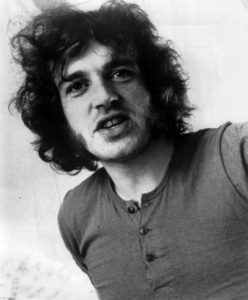 On this day in 2014, singer and musician Joe Cocker died from lung cancer in Crawford, Colorado, at the age of 70. Born John Robert “Joe” Cocker on 20 May 1944 in Sheffield, West Riding of Yorkshire, England. Perhaps best known for his gritty voice, spasmodic body movement in performance and definitive versions of popular songs of varying genre.


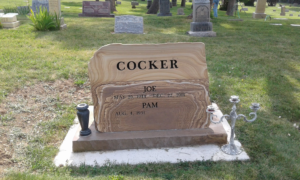 The Final Footprint
 On this day in 1375 Italian author and poet, a friend, student, and correspondent of Petrarch, an important Renaissance humanist and the author of a number of notable works including the Decameron, On Famous Women, and his poetry in the Italian vernacular, Giovanni Boccaccio died at the age of sixty-two in Certaldo, Tuscany, Italy, where he is buried. Other notable works include Filostrato and Teseida (the sources for Chaucer’s Troilus and Criseyde and The Knight’s Tale, respectively), Filocolo, a prose version of an existing French romance and the source for Chaucer’s The Canterbury Tales, and La caccia di Diana, a poem in terza rima listing Neapolitan women.
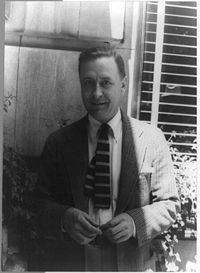 On this day in 1940, novelist, essayist, screenwriter, and short-story writer F. Scott Fitzgerald, died from a heart attack in Hollywood at the age of 44. Born Francis Scott Key Fitzgerald on 24 September 1896 in St. Paul, Minnesota into an Irish Catholic family. Named after his famous second cousin Francis Scott Key, three times removed. Fitzgerald attended Princeton University. He and his wife Zelda Sayre Fitzgerald helped define the Jazz Age, a term he coined. In my opinion, one of the greatest writers of the 20th century. He finished four novels, This Side of Paradise, The Beautiful and Damned, Tender Is the Night and his most famous, the celebrated classic, The Great Gatsby. A fifth, unfinished novel, The Love of the Last Tycoon was published posthumously. He and Zelda married in 1920. At the time of his death he was living with his lover Sheilah Graham.
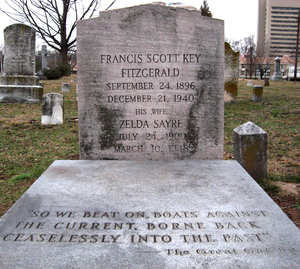 The Final Footprint – Fitzgerald was originally buried in Rockville Union Cemetery, Rockville, Maryland. Zelda died in 1948, in a fire at the Highland Mental Hospital in Asheville, North Carolina. Their daughter, Frances Scott Fitzgerald Lanahan worked to overturn the Archdiocese of Baltimore ruling that Fitzgerald died a non practicing Catholic, so that he could be at rest at the Roman Catholic cemetery where his father’s family was laid. Both Scott’s and Zelda’s remains were moved to the family plot in Saint Mary’s Cemetery, in Rockville, Maryland in 1975. Their graves are marked by a large companion marble monument and a marble full ledger. The inscription on the ledger is the last line from his novel, The Great Gatsby; SO WE BEAT ON, BOATS AGAINST THE CURRENT, BORNE BACK CEASELESSLY INTO THE PAST. – The Great Gatsby. A cenotaph, in memoriam, is placed at Oakwood Cemetery in Montgomery, Alabama, Zelda’s hometown.
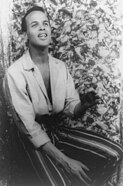
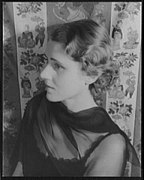
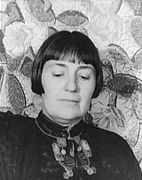
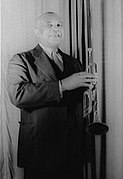
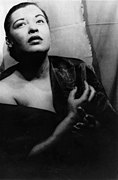
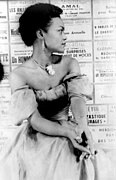
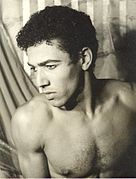
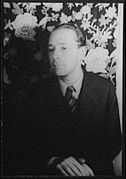
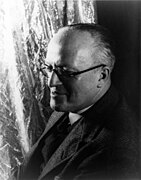
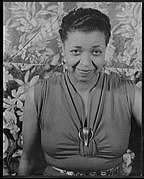
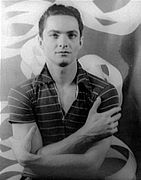
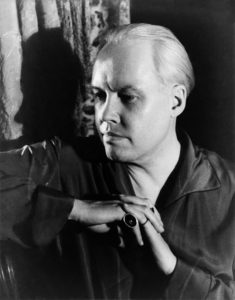 On this day in 1964, writer and artistic photographer Carl Van Vechten died in New York City at the age of 84. Born June 17, 1880 in Cedar Rapids, Iowa. He was a patron of the Harlem Renaissance and the literary executor of Gertrude Stein. In his later years, he took up photography and took many portraits of notable people.
 The Final Footprint

















 The Final Footprint

