
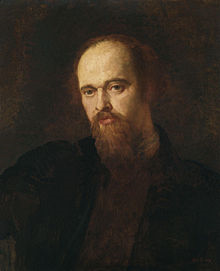
 On this day in 1882, English poet, illustrator, painter and translator Dante Gabriel Rossetti died on Easter Sunday at the country house of a friend in Birchington-on-Sea, England, of Brights Disease at the age of 53. Born Gabriel Charles Dante Rossetti on 12 May 1828 in London. He founded the Pre-Raphaelite Brotherhood in 1848 with William Holman Hunt and John Everett Millais, and was later to be the main inspiration for a second generation of artists and writers influenced by the movement, most notably William Morris and Edward Burne-Jones. His work also influenced the European Symbolists and was a major precursor of the Aesthetic movement.
Rossetti’s art was characterised by its sensuality and its medieval revivalism. His early poetry was influenced by John Keats. His later poetry was characterised by the complex interlinking of thought and feeling, especially in his sonnet sequence The House of Life. Poetry and image are closely entwined in Rossetti’s work; he frequently wrote sonnets to accompany his pictures, spanning from The Girlhood of Mary Virgin (1849) and Astarte Syriaca (1877), while also creating art to illustrate poems such as Goblin Market by the celebrated poet Christina Rossetti, his sister. Rossetti’s personal life was closely linked to his work, especially his relationships with his models and muses Elizabeth Siddal, Fanny Cornforth, and Jane Morris. Rossetti married Siddal on Wednesday 23 May 1860 at St Clement’s Church in the seaside town of Hastings. She died of a laudanum overdose on 11 February 1862, and Rossetti buried many of his poems with her. Later, his friends persuaded him to exhume the poetry, which he published in 1870. They were sensual and erotic, and caused a scandal.
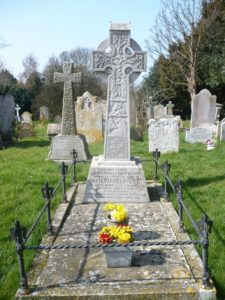 The Final Footprint – Rossetti is interred in the churchyard of All Saints in Birchington-on-Sea, under a tombstone designed by fellow artist, Ford Madox Brown.
Gallery
-

Ecce Ancilla Domini (1850), Tate Britain, London
-

The Tune of the Seven Towers (1857), watercolour, Tate Britain
-

Found (1865–1869, unfinished), Delaware Art Museum
-
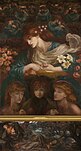
The Blessed Damozel (model: Alexa Wilding)
-

Lady Lilith (1867), Metropolitan Museum of Art (model: Fanny Cornforth)
-

Lady Lilith (1868), Delaware Art Museum (Fanny Cornforth, overpainted at Kelsmcott 1872–73 with the face of Alexa Wilding)
-

Beata Beatrix (1864–1870), Tate Britain (model: Elizabeth Siddal)
-

Pia de’ Tolomei (1868–1880), Spencer Museum of Art, University of Kansas, Lawrence (model: Jane Morris)
-

Proserpine (1874) (model: Jane Morris)
-

A Vision of Fiammetta (1878), one of Rossetti’s last paintings, now in the collection of Andrew Lloyd Webber (model: Marie Spartali Stillman)





-
La Belle Dame sans Merci (1848), pen and sepia with some pencil
-

Drawing of Elizabeth Siddal reading (1854)
-

Hamlet and Ophelia (1858), pen and ink drawing
-

Drawing of Annie Miller (1860)
-

Drawing of Fanny Cornforth, graphite on paper (1869)
-

The Roseleaf (Portrait of Jane Morris) (1870), graphite on wove paper


-

King Arthur and the Weeping Queens, one of two illustrations by Rossetti for Edward Moxon’s illustrated edition of Tennyson’s Poems (1857)
-

Golden Head by Golden Head, illustration for Christina Rossetti’s Goblin Market and Other Poems (1862)


-
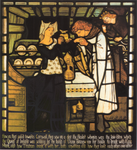
Sir Tristram and la Belle Ysoude drink the potion, stained glass panel by Morris, Marshall, Faulkner & Co., design by Rossetti (1862–63)

-
Death of a Wombat (1869)
-
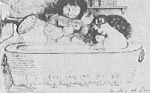
William Morris reading to Jane Morris while she takes the waters at Bad Ems (1869)
-
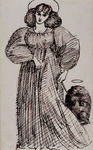
Mrs. Morris and the Wombat (1869)


| Frank Lloyd Wright | |
|---|---|
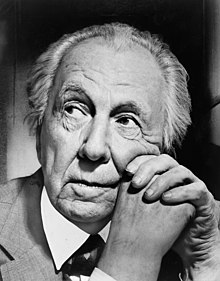 in 1954 |
|
On this day in 1959, architect and interior designer Frank Lloyd Wright died in Phoenix, Arizona at the age of 91. Born Frank Lincoln Wright on June 8, 1867 in Richland Center, Wisconsin. Wright designed more than 1,000 structures, 532 of which were completed. Wright believed in designing structures that were in harmony with humanity and its environment, a philosophy he called organic architecture. This philosophy was best exemplified by Fallingwater (1935), which is in my opinion, the best all-time work of American architecture”. His creative period spanned more than 70 years.
Wright was the pioneer of what came to be called the Prairie School movement of architecture and he also developed the concept of the Usonian home in Broadacre City, his unique vision for urban planning in the United States. In addition to his houses, Wright designed original and innovative offices, churches, schools, skyscrapers, hotels, museums and other structures. He often designed interior elements for these buildings as well, including furniture and stained glass. Wright wrote 20 books and many articles and was a popular lecturer in the United States and in Europe. Wright was recognized in 1991 by the American Institute of Architects as “the greatest American architect of all time”.
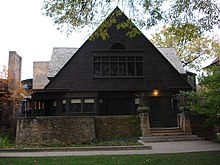
Wright’s home in Oak Park, Illinois
On June 1, 1889, Wright married his first wife, Catherine Lee “Kitty” Tobin (1871–1959). The two had met around a year earlier.
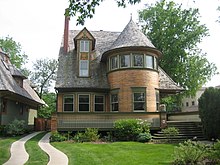
The Walter Gale House (1893) is Queen Anne in style yet features window bands and a cantilevered porch roof which hint at Wright’s developing aesthetics

William H. Winslow House (1893) in River Forest, Illinois

Nathan G. Moore House (1895), Oak Park, Illinois

Wright’s studio (1898) viewed from Chicago Avenue

Arthur Heurtley House (1902), Oak Park, IL

Darwin D. Martin House (1904), Buffalo, New York

Hillside Home School, 1902, Taliesin, Spring Green, Wisconsin

in 1926

Aerial photo of Taliesin, Spring Green, Wisconsin
Wright developed a reputation in Oak Park as a man-about-town. His family had grown to six children, but Wright was not parental and he relied on his wife Catherine to care for them. In 1903, Wright designed a house for Edwin Cheney, a neighbor in Oak Park, and immediately took a liking to Cheney’s wife, Mamah. Mamah Cheney was a modern woman with interests outside the home. She was an early feminist and Wright viewed her as his intellectual equal. The two fell in love, and they became the talk of the town, as they often could be seen taking rides in Wright’s automobile through Oak Park. Wright’s wife, Kitty, sure that this attachment would fade as others had, refused to grant him a divorce. Mamah had to live in Europe for two years in order to obtain a divorce from Edwin on the grounds of desertion.
In 1909, even before the Robie House was completed, Wright and Mamah Cheney met up in Europe, leaving their spouses and children behind.
Wright published a portfolio of his work with Berlin publisher Ernst Wasmuth. The resulting two volumes, titled Studies and Executed Buildings of Frank Lloyd Wright, were published in 1911 in two editions, creating the first major exposure of Wright’s work in Europe. The work contained more than 100 lithographs of Wright’s designs and was commonly known as the Wasmuth Portfolio.
Wright remained in Europe for almost a year and set up home first in Florence, Italy — where he lived with his eldest son Lloyd — and later in Fiesole, Italy, where he lived with Mamah. During this time, Edwin Cheney granted Mamah a divorce, though Kitty still refused to grant one to her husband. After Wright returned to the United States in October 1910, he persuaded his mother to buy land for him in Spring Green, Wisconsin. The land, bought on April 10, 1911, was adjacent to land held by his mother’s family, the Lloyd-Joneses. Wright began to build himself a new home, which he called Taliesin. The recurring theme of Taliesin also came from his mother’s side: Taliesin in Welsh mythology was a poet, magician, and priest. The family motto, “Y Gwir yn Erbyn y Byd” (“The Truth Against the World”), was taken from the Welsh poet Iolo Morganwg, who also had a son named Taliesin. The motto is still used today as the cry of the druids and chief bard of the Eisteddfod in Wales.
On August 15, 1914, while Wright was working in Chicago, Julian Carlton, a male servant from Barbados who had been hired several months earlier, set fire to the living quarters of Taliesin and murdered seven people with an axe as the fire burned. The dead included Mamah; her two children, John and Martha Cheney; a gardener (David Lindblom); a draftsman (Emil Brodelle); a workman (Thomas Brunker); and another workman’s son (Ernest Weston). Two people survived the mayhem, one of whom, William Weston, helped to put out the fire that almost completely consumed the residential wing of the house. Carlton swallowed hydrochloric acid immediately following the attack in an attempt to kill himself. He was nearly lynched on the spot, but was taken to the Dodgeville jail. Carlton died from starvation seven weeks after the attack, despite medical attention.
In 1922, Kitty Wright finally granted Wright a divorce. Under the terms of the divorce, Wright was required to wait one year before he could marry his then-mistress, Maude “Miriam” Noel. Wright wed Miriam in November 1923, but her addiction to morphine led to the failure of the marriage in less than one year. In 1924, after the separation but while still married, Wright met Olga (Olgivanna) Lazovich Hinzenburg at a Petrograd Ballet performance in Chicago. They moved in together at Taliesin in 1925, and soon Olgivanna was pregnant with their daughter, Iovanna, born on December 2, 1925.
On April 20, 1925, another fire destroyed the bungalow at Taliesin. Crossed wires from a newly installed telephone system were deemed to be responsible for the blaze, which destroyed a collection of Japanese prints that Wright estimated to be worth $250,000 to $500,000. Wright rebuilt the living quarters, naming the home “Taliesin III”.
In 1926, Olga’s ex-husband, Vlademar Hinzenburg, sought custody of his daughter, Svetlana. In October 1926, Wright and Olgivanna were accused of violating the Mann Act and arrested in Tonka Bay, Minnesota. The charges were later dropped.
Wright and Miriam Noel’s divorce was finalized in 1927, and once again, Wright was required to wait for one year before remarrying. Wright and Olgivanna married in 1928.

Solomon R. Guggenheim Museum, New York City (1959)

Fallingwater, Mill Run, Pennsylvania (1937)
Taliesin West, Wright’s winter home and studio complex in Scottsdale, Arizona, was a laboratory for Wright from 1937 to his death in 1959. Now the home of the Frank Lloyd Wright Foundation and archives, it continues today as the site of the Frank Lloyd Wright School of Architecture.

Wright’s Price Tower in Bartlesville, Oklahoma

An open office area in Wright’s Johnson Wax headquarters complex, Racine,Wisconsin, (1939)

Charles Weltzheimer Residence(1948) in Oberlin, Ohio Main article: Usonia
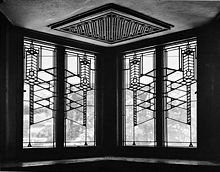
Wright-designed window in Robie House, Chicago (1906)
 The Final Footprint
On April 4, 1959, Wright was hospitalized for abdominal pains and was operated on April 6. He seemed to be recovering but he died quietly on April 9. Olgivanna’s dying wish had been that Wright, she, and her daughter by her first marriage all be cremated and interred together in a memorial garden being built at Taliesin West. According to his own wishes, Wright’s body had lain in the Lloyd-Jones cemetery, next to the Unity Chapel, near Taliesin in Wisconsin. Although Olgivanna had taken no legal steps to move Wright’s remains and against the wishes of other family members as well as the Wisconsin legislature, in 1985 Wright’s remains were removed from his grave by members of the Taliesin Fellowship, cremated and sent to Scottsdale where they were later interred in the memorial garden. The original grave site in Wisconsin, now empty, is still marked with Wright’s name.

Imperial Hotel, Tokyo (1923)

The Robie House on the University of Chicago campus

Frank W. Thomas House (1901), 210 Forest Avenue, Oak Park, IL

Taliesin West Panorama from the “prow” looking at the “ship”

Gammage Auditorium viewed from one of the pedestrian ramps
#RIP #OTD in 1976 singer/songwriter (“I Ain’t Marching Anymore”, “Love Me, I’m a Liberal”, “Outside of a Small Circle of Friends”, “There but for Fortune”) Phil Ochs died by hanging in his sister’s home in Far Rockaway, New York, age 35. Cremated remains scattered in Scotland
#RIP #OTD in 1988 singer (“Rainy Night in Georgia”), songwriter (“It’s Just a Matter of Time”, “Endlessly”) Brook Benton died from complications of spinal meningitis in Queens, aged 56. Unity Family Life Center Cemetery, Lugoff, South Carolina
#RIP #OTD in 1996 novelist (The Manchurian Candidate, Winter Kills, Prizzi’s Honor) Richard Condon died in Dallas, Texas aged 81. Cremation
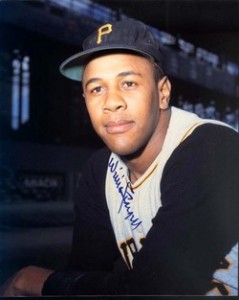 On this day in 2001, Pittsburgh
 Pirate, 7-time all-star, 2-time World Series Champion, baseball Hall of Famer, Pops, Willie Stargell died of complications related to a stroke in Wilmington, North Carolina at the age of 61. Born Wilver Dornel Stargell on 6 March 1940 in Earlsboro, Oklahoma. Known for his towering home runs. Only four home runs have ever been hit out of Dodger Stadium; two were by Stargell. Dodger starting pitcher Don Sutton said of Stargell, “I never saw anything like it. He doesn’t just hit pitchers, he takes away their dignity.” The Pirates won the World Series with Stargell in 1971 and 1979, both times defeating the Baltimore Orioles. The Pirates ’79 team adopted the Sister Sledge hit song “We Are Family” as the team anthem. Stargell earned the NLCS and World Series MVP awards and was named the co-MVP of the 1979 season (along with St. Louis’ Keith Hernandez). Stargell is the only player to have won all three trophies in a single year. I remember the ’79 World Series well. That Pirates team is one of my favorite teams and Stargell is one of my favorite players. The Pirates retired his number 8 in 1982.
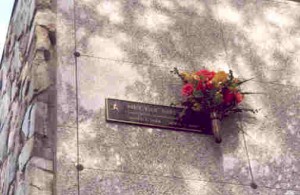 The Final Footprint – Stargell is entombed in a garden mausoleum in Oleander Memorial Gardens in Wilmington. The Willie Stargell statue, a 12-foot bronze statue, at PNC Park in Pittsburgh was unveiled in April 2001.
#RIP #OTD in 2011 film director (12 Angry Men, Dog Day Afternoon, Network, The Verdict, Before the Devil Knows You’re Dead), screenwriter Sidney Lumet died in his residence in Manhattan from lymphoma, aged 86. Beth David Cemetery, Elmont, New York
Have you planned yours yet?
Follow TFF on twitter @RIPTFF
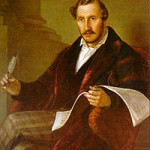 On this day in 1848, composer Gaetano Donizetti died in the house of a noble family, the Scotti, in Bergamo, Lombardy, Italy at the age of 49. Born Domenico Gaetano Maria Donizetti in Bergamo’s Borgo Canale quarter located just outside the city walls on 29 November 1797. Altogether Donizetti wrote about 70 operas. An offer in 1822 from Domenico Barbaja, the impresario of the Teatro San Carlo in Naples, which followed the composer’s ninth opera, led to his move to that city and the composition of 28 operas which were given their premieres at that house or in one of the city’s smaller houses including the Teatro Nuovo or the Teatro del Fondo. This continued until the production of Caterina Cornaro in January 1844. In all, Naples presented 51 of Donizetti’s operas. During this period, success came primarily with the comic operas, the serious ones failing to attract significant audiences. However, the situation changed with the appearance in 1830 of the serious opera, Anna Bolena which was the first to make a major impact on the Italian and international opera scene. After 1830, his best-known works included comedies such as L’elisir d’amore (1832) and Don Pasquale (1843) and historical dramas such as Lucia di Lammermoor (the first to be written by librettist Salvadore Cammarano) in 1835, as well as Roberto Devereux in 1837. Up to that point, all of his operas had been written to Italian librettos. After moving to Paris in 1838, Donizetti set his operas to French texts; these include La favorite and La fille du régiment and were first performed in that city from 1840 onward. It appears that much of the attraction of moving to Paris was not just for larger fees and prestige, but his chafing against the censorial limitations which existed in Italy, thus giving him a much greater freedom to choose subject matter. Along with Gioachino Rossini and Vincenzo Bellini, he was a leading composer of bel canto opera during the first fifty years of the Nineteenth Century. Donizetti married Virginia Vasselli.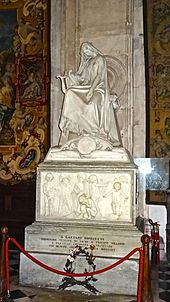
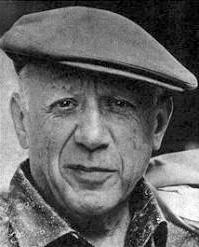 On this day in 1973, painter, draughtsman, and sculptor, Pablo Picasso died at his home in Mougins, France at the age of 91. Born on 25 October 1881 in the city of Málaga in the Andalusian region of Spain and baptized Pablo Diego José Francisco de Paula Juan Nepomuceno María de los Remedios Cipriano de la Santísima Trinidad Ruiz y Picasso. A prolific artist, he is perhaps best known as a pioneer, along with Georges Braque, of the avant-garde art movement Cubism which revolutionized European painting and sculpture. Among his most famous works are the proto-Cubist Les Demoiselles d’Avignon (1907)
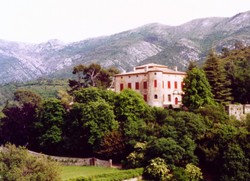 The Final Footprint – Picasso is interred at the Chateau of Vauvenargues near Aix-en-Provence, a property he had acquired in 1958 and occupied with Jacqueline. His grave is decorated with his own sculpture “Woman with the Vase” (1933), which was shown during the World exhibition of 1937 in Paris.
 On this day in 1990, national poster child for HIV/AIDS Ryan White died at Riley Hospital for Children in Indianapolis, at the age of 18. Born Ryan Wayne White on December 6, 1971 in Kokomo, Indiana. As a hemophiliac, he became infected with HIV from a contaminated factor VIII blood treatment and, when diagnosed in December 1984, was given six months to live. Doctors said he posed no risk to other students, as AIDS is not an airborne disease and spreads solely through body fluids, but AIDS was poorly understood by the general public at the time. When White tried to return to school, many parents and teachers in Howard County rallied against his attendance due to concerns of the disease spreading through bodily fluid transfer. A lengthy administrative appeal process ensued, and news of the conflict turned Ryan into a popular celebrity and advocate for AIDS research and public education. Surprising his doctors, Ryan White lived five years longer than predicted. He died one month before his high school graduation.
 The Final Footprint
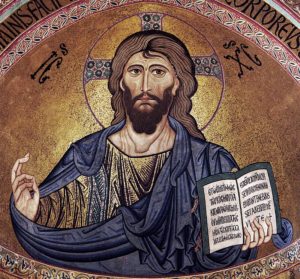 On this day, possibly, in AD 30/33, Jewish leader and religious leader, Jesus Christ, Jesus of Nazareth, Jesus was crucified in Calvary at the age of 33/36. Born c. 4 BC in Judea, Roman Empire. He is the central figure of Christianity, and in my opinion is one of the most influential people in history. Most Christians believe he is the incarnation of God the Son and the awaited Messiah (Christ) prophesied in the Old Testament.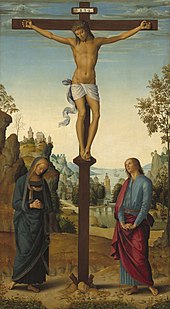

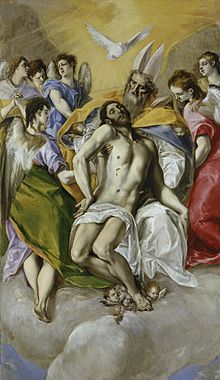
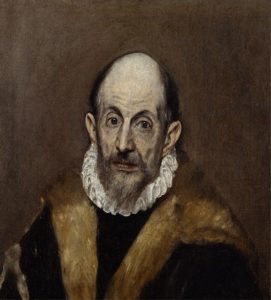 On this day in 1614, painter, sculptor and architect of the Spanish Renaissance El Greco died in Toledo, Spain at the age of 72. Born Doménikos Theotokópoulos in October 1541 in either the village of Fodele or Candia (the Venetian name of Chandax, present day Heraklion) on Crete. El Greco was a nickname, a reference to his Greek origin, and the artist normally signed his paintings with his full birth name in Greek letters, Δομήνικος Θεοτοκόπουλος, Doménikos Theotokópoulos, often adding the word Κρής Krēs, Cretan.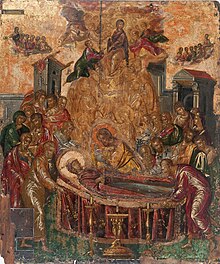


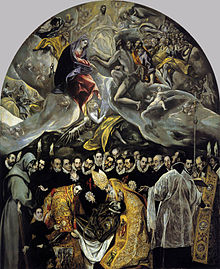

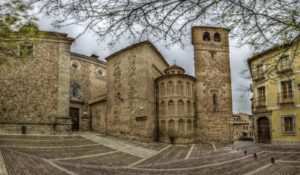 The Final Footprint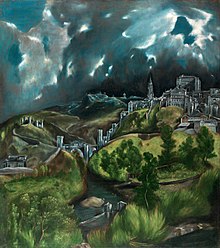


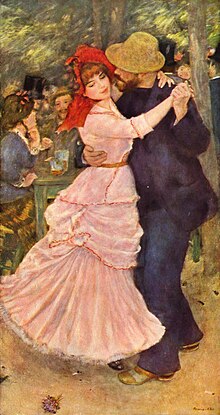
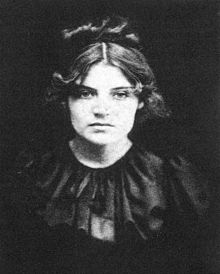 On this day in 1938, French painter and artists’ model, Suzanne Valadon died of a stroke at age 72 in Paris. Born Marie-Clémentine Valadon on 23 September 1865 at Bessines-sur-Gartempe, Haute-Vienne, France. In 1894, Valadon became the first woman painter admitted to the Société Nationale des Beaux-Arts. She was also the mother of painter Maurice Utrillo. The subjects of her drawings and paintings included mostly female nudes, female portraits, still lifes, and landscapes. She never attended the academy and was never confined within a tradition. Valadon debuted as a model in 1880 in Montmartre at age 15. She modeled for over 10 years for many different artists including the following: Pierre-Cécile Puvis de Chavannes, Théophile Steinlen, Pierre-Auguste Renoir, and Henri de Toulouse-Lautrec.
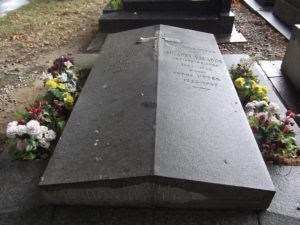
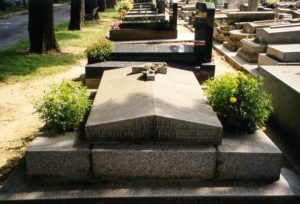





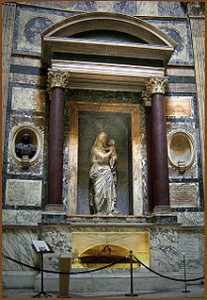 The Final Footprint – Raphael is entombed in a marble sarcophagus in the Pantheon in Rome. The inscription is an elegiac distich written by Pietro Bembo,: “Ille hic est Raffael, timuit quo sospite vinci, rerum magna parens et moriente mori.” Meaning: “Here lies Raphael, by whom the mother of all things (Nature) feared to be overcome while he was living, and while he was dying, herself to die.” The Pantheon was commissioned by Marcus Agrippa as a temple to all the gods of Ancient Rome, and was rebuilt by Emperor Hadrian in about 126 AD. It has been in continuous use throughout its history, and since the 7th century, the Pantheon has been used as a Roman Catholic church dedicated to “St. Mary and the Martyrs” but informally known as “Santa Maria Rotonda.”


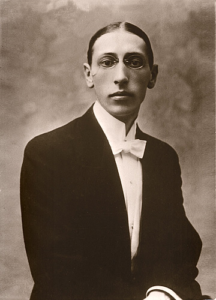 On this day in 1971, composer, pianist and conductor Igor Stravinsky died in his 5th Avenue apartment in Manhattan from heart failure at the age of 88. Born Igor Fyodorovich Stravinsky on 17 June [O.S. 5 June] 1882 in Oranienbaum, Russia. In my opinion, one of the most important and influential composers of the 20th century.
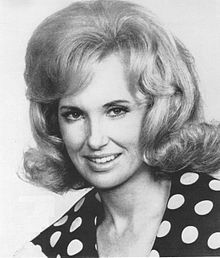 On this day in 1998, singer and songwriter, Country music icon, Tammy Wynette died from a heart attack at her home in Nashville at the age of 55. Born Virginia Wynette Pugh near Iuka, Mississippi on 5 May 1942. One of country music’s best-known artists, Wynette was called the “First Lady of Country Music”. Her best-known song was, “Stand by Your Man”. Many of her hits dealt with classic themes of loneliness, divorce, and the difficulties of man-woman relationships. During the late 1960s and early 1970s, Wynette charted 23 No. 1 songs. Wynette married five times; Euple Byrd (married April 1960– divorced 1966); Don Chapel, born Lloyd Franklin Amburgey (m. 1967 – annulled 1968); George Jones (m. February 16, 1969 – d. March 21, 1975); Michael Tomlin (m. July 18, 1976 – a. September 1976) 44 days; and singer/songwriter George Richey (m. July 6, 1978 – her death April 6, 1998), Wynette’s marriage to country music singer George Jones resulted in a sequence of albums and singles that hit the charts throughout the 1970s and early eighties.
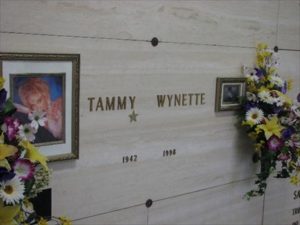 The Final Footprint – A public memorial service was held at Nashville’s historic Ryman Auditorium on 9 April 1998. A private grave-side service had been held earlier with a crypt entombment at Nashville’s Woodlawn Memorial Park Cemetery. Other notable final footprints at Woodlawn include; Eddy Arnold, Little Jimmy Dickens, George Jones, Johnny Paycheck, Webb Pierce, Jerry Reed, Marty Robbins, Dan Seals, Red Sovine, and Porter Wagoner.
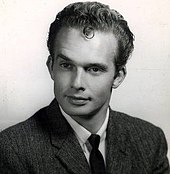
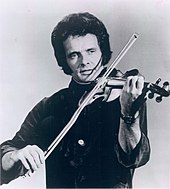
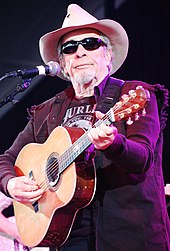
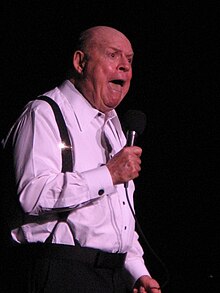
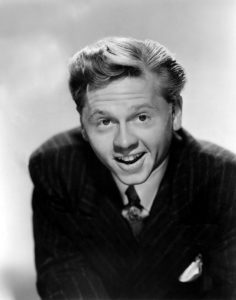 On this day in 2014, United States Army veteran, actor, vaudevillian, comedian, producer and radio personality Mickey Rooney died in Los Angeles at the age of 93. Born Joseph Yule Jr. on September 23, 1920 in Brooklyn. In a career spanning nine decades and continuing until shortly before his death, he appeared in more than 300 films and was one of the last surviving stars of the silent film era.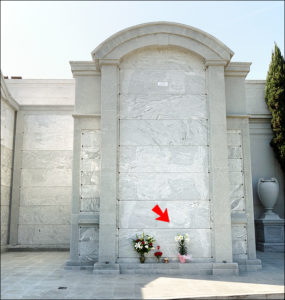
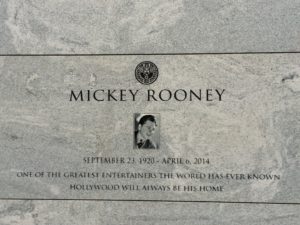


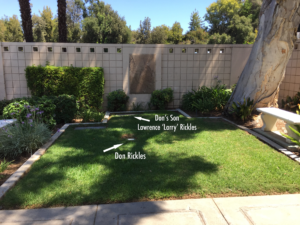
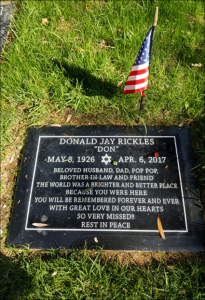 The Final Footprint
 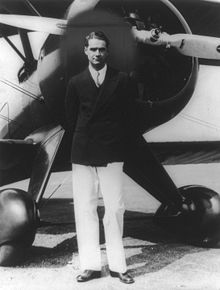 On this day in 1976, aviator, engineer, industrialist, film producer, director, philanthropist, and once one of the wealthiest people in the world, Howard Hughes died from kidney failure aboard an airplane bound for Houston, at the age of 70. Born Howard Robard Hughes, Jr. probably on 24 September 1905 in Humble, Texas. His father patented the two-cone roller bit, which allowed rotary drilling for petroleum in previously inaccessible places and founded the Hughes Tool Company. Hughes took full control of the business when he was 19 following his father’s death. His most notable films inlcude the flying film Hell’s Angels (1930), Scarface (1932), and The Outlaw (1943), which featured Jane Russell. Hughes dated many famous women, including Bette Davis, Ava Gardner, Olivia de Havilland, Katharine Hepburn, Ginger Rogers, Jean Peters, Terry Moore and Gene Tierney. He reportedly proposed to Joan Fontaine several times. In 1932 Hughes founded Hughes Aircraft Company, which became a major American aerospace and defense contractor, as a division of Hughes Tool Company. Hughes was one of the most influential aviators in history; he set multiple world air-speed records, built the Hughes H-1 Racer and H-4 “Hercules” (better known to history as the “Spruce Goose”) aircraft, and acquired and expanded Trans World Airlines which would later on merge with American Airlines. In 1953, Hughes founded the Howard Hughes Medical Institute (HHMI) in Chevy Chase, Maryland, formed with the express goal of basic biomedical research, including trying to understand, in Hughes’ words, the “genesis of life itself.” Hughes gave all his stock in the Hughes Aircraft Company to the institute, which would sell the company to General Motors in 1985 for $5 billion. HHMI is one of the wealthiest medical research foundations in the world. In 1966, Hughes moved into the Desert Inn in Las Vegas. He wound up purchasing other hotels/casinos such as the Castaways, New Frontier, The Landmark Hotel and Casino, the Sands and the Silver Slipper. Hughes was married two or three times; Ella Rice (1925-1929 divorce), Terry Moore (1949-1976 his death) (alleged), and Jean Peters (1957-1971 divorce).
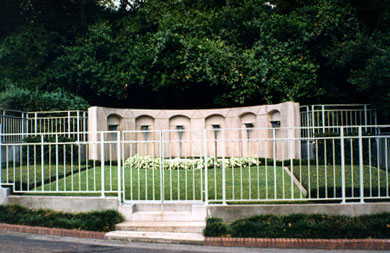 The Final Footprint – Hughes is interred in the Hughes private estate with his parents in Glenwood Cemetery in Houston. One of my offices in Houston overlooked Glenwood. Hughes has been portayed in film by Tommy Lee Jones in The Amazing Howard Hughes (1977) and by Leonardo DiCaprio in The Aviator (2004). The latter was nominated for 11 Academy Awards, winning five. Other notable Final Footprints at Glenwood include; Maria Franklin Prentiss Langham Gable, Oveta Culp Hobby, William P. Hobby, Glenn McCarthy, and Gene Tierney.
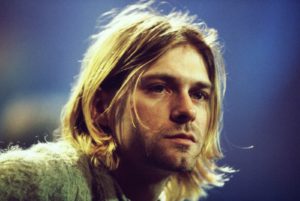 On this day in 1994, musician, singer, and songwriter Kurt Cobain died from a self inflicted gunshot wound at his home in Seattle at the age of 27. Born Kurt Donald Cobain on 20 February 1967, at Grays Harbor Hospital in Aberdeen, Washington. Cobain was the lead singer, guitarist, and primary songwriter of the grunge band Nirvana. Cobain formed Nirvana with Krist Novoselic in Aberdeen, Washington, in 1985 and established it as part of the Seattle music scene, having its debut album Bleach released on the independent record label Sub Pop in 1989. After signing with major label DGC Records, the band found breakthrough success with “Smells Like Teen Spirit” from its second album Nevermind (1991). Following the success of Nevermind, Nirvana was labeled “the flagship band” of Generation X, and Cobain hailed as “the spokesman of a generation”. Cobain, however, was often uncomfortable and frustrated, believing his message and artistic vision to have been misinterpreted by the public, with his personal issues often subject to media attention. During the last years of his life, Cobain struggled with heroin addiction, illness and depression. Cobain married fellow musician Courtney Love. With Cobain’s death at 27 he became a member of the 27 Club; a group of famous musicians who died when they were 27 years old. The group includes; bluesman Robert Johnson, Rolling Stone Brian Jones, Jimi Hendrix, Janis Joplin, Jim Morrison and Amy Winehouse.
 The Final Footprint – A public vigil was held for Cobain on 10 April 1994, at a park at Seattle Center. A prerecorded message by Love was played at the memorial. Love read portions of Cobain’s suicide note to the crowd, crying and chastising Cobain. Near the end of the vigil, Love arrived at the park and distributed some of Cobain’s clothing to those who still remained. A final ceremony was arranged for Cobain, by his mother, on 31 May 1999. As a Buddhist monk chanted, daughter Frances Bean scattered Cobain’s ashes into McLane Creek in Olympia, the city where he “had found his true artistic muse.” Together with Nirvana band mates Krist Novoselic and Dave Grohl, Cobain was posthumously inducted into the Rock and Roll Hall of Fame in 2014, which was the first year in which the band was eligible.



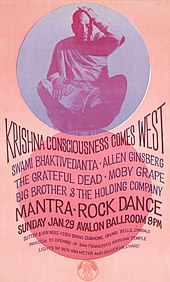
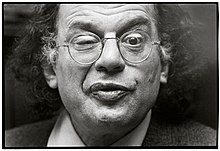
 On this day in 2002, lead singer and co-songwriter of the rock band Alice in Chains, Layne Staley died from an accidental overdose of a speedball in his home in Seattle, at the age of 34. Born Layne Rutherford Staley on August 22, 1967 in Kirkland, Washington. Alice in Chains rose to international fame in the early 1990s during Seattle’s grunge movement, and became known for Staley’s distinct vocal style, as well as the harmonized vocals between him and guitarist/vocalist Jerry Cantrell. Staley was also a member of the supergroups Mad Season and Class of ’99.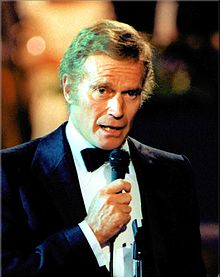



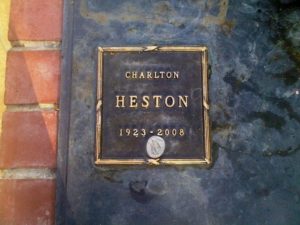 The Final Footprint
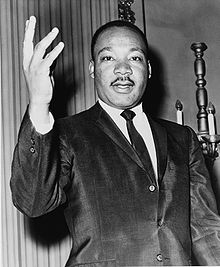 On this day in 1968, clergyman, activist, prominent leader and iconic figure in the African American civil rights movement, Nobel Peace Prize recipient, Dr. Martin Luther King, Jr. was assassinated on the balcony of room 306 at the Lorraine Motel in Memphis, Tennessee at the age of 39. Born on 15 January 1929 in Atlanta, Georgia. His father’s name was Michael King, but he changed his name to Martin Luther King after Martin Luther (10 November 1483 – 18 February 1546), the admired German priest and professor of theology who initiated the Protestant Reformation. King believed in and urged the use of nonviolent methods in the advancement of civil rights. One of the greatest orators in American history. His “I Have a Dream” speech concludes with; “Let freedom ring. And when this happens, and when we allow freedom ring—when we let it ring from every village and every hamlet, from every state and every city, we will be able to speed up that day when all of God’s children—black men and white men, Jews and Gentiles, Protestants and Catholics—will be able to join hands and sing in the words of the old Negro spiritual: ‘Free at last! Free at last! Thank God Almighty, we are free at last!” In 1948, he graduated from Morehouse with a Bachelor of Arts degree in sociology, and enrolled in Crozer Theological Seminary in Chester, Pennsylvania, from which he graduated with a Bachelor of Divinity degree in 1951. King married Coretta Scott, on 18 June 1953, on the lawn of her parents’ house in her hometown of Heiberger, Alabama. In the close of his last speech given in Memphis before the assassiantion, King said; “And then I got to Memphis. And some began to say the threats, or talk about the threats that were out. What would happen to me from some of our sick white brothers? Well, I don’t know what will happen now. We’ve got some difficult days ahead. But it doesn’t matter with me now. Because I’ve been to the mountaintop. And I don’t mind. Like anybody, I would like to live a long life. Longevity has its place. But I’m not concerned about that now. I just want to do God’s will. And He’s allowed me to go up to the mountain. And I’ve looked over. And I’ve seen the promised land. I may not get there with you. But I want you to know tonight, that we, as a people, will get to the promised land. And I’m happy, tonight. I’m not worried about anything. I’m not fearing any man. Mine eyes have seen the glory of the coming of the Lord.”
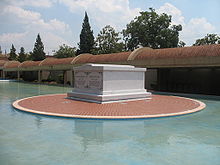 The Final Footprint – King is entombed at the Martin Luther King, Jr. National Historic Site in Atlanta. His crypt has the inscription; “Free at last, Free at last, Thank God Almighty I’m Free at last.” Coretta was entombed next to him upon her death in 2006. Her crypt has the inscription; “And now abide Faith, Hope, Love, These Three; but the greatest of these is Love.” 1 Cor. 13:13. Martin Luther King, Jr. Day was established as a U.S. federal holiday in 1
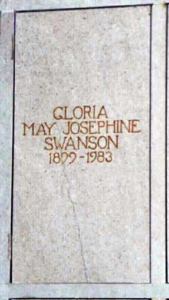
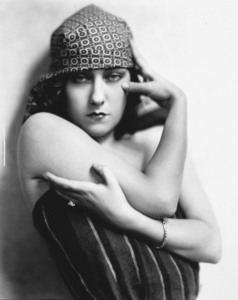 On this day in 1983, actress and producer Gloria Swanson died

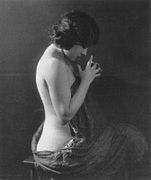
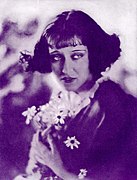
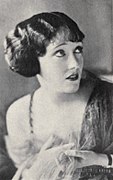

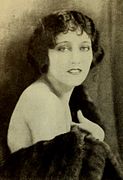
 And on this day in 2013, film critic, historian, journalist, screenwriter, and author Roger Ebert died from cancer in Chicago at the age of 70. Born Roger Joseph Ebert on June 18, 1942 in Urbana, Illinois. He was a film critic for the Chicago Sun-Times from 1967 until his death in 2013. In 1975, Ebert became the first film critic to win the Pulitzer Prize for Criticism.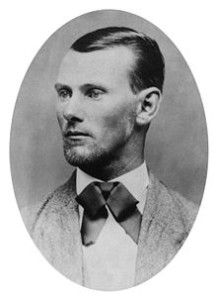
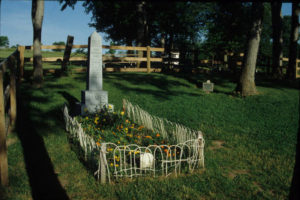 The Final Footprint – The death of Jesse became a national sensation. The Fords made no attempt to hide their role. Robert Ford wired the governor to claim a reward. Crowds pressed into the little house in St. Joseph to see the dead outlaw. The Ford brothers surrendered to the authorities but were evidently dismayed to find that they were charged with first degree murder. In the course of a single day, the Ford brothers were indicted, pleaded guilty, were sentenced to death by hanging and two hours later were granted a full pardon by Governor Thomas T. Crittenden. The governor’s quick pardon suggested he knew the brothers intended to kill James. The implication that the governor conspired to kill a private citizen startled the public and added to James’ notoriety. After receiving a small portion of the reward, the Fords fled Missouri. Later the Ford brothers starred in a touring stage show in which they reenacted the shooting. Suffering from tuberculosis (then incurable) and a morphine addiction, Charley Ford committed suicide on 6 May 1884, in Richmond, Missouri. Bob Ford operated a tent saloon in Creede, Colorado. On 8 June 1892, a man named Edward O’Kelley went to Creede, loaded a double barrel shotgun, entered Ford’s saloon and said “Hello, Bob” before shooting Ford in the throat, killing him instantly. O’Kelley was sentenced to life in prison. O’Kelley’s sentence was subsequently commuted because of a 7,000 signature petition in favor of his release. He was pardoned on 3 October 1902. Jesse was initially interred at the James Family Farm just outside Kearney. James’ mother Zerelda Samuel wrote the following epitaph for him: In Loving Memory of my Beloved Son, Murdered by a Traitor and Coward Whose Name is not Worthy to Appear Here. Eighteen months after Jesse’s wife’s death in November 1900, Jesse’s body was moved from the James Family Farm to rest next to hers at Mount Olivet Cemetery in Kearney. Debate continues over whether to place Jesse in the context of regional insurgencies of ex-Confederates following the American Civil War or as a manifestation of frontier lawlessness or alleged economic justice. Cultural depictions of Frank and Jesse and the Youngers proliferate in literature, movies and music. In Willa Cather‘s My Antonia, the narrator reads a book entitled ‘Life of Jesse James’ – probably a dime novel. In Charles Portis‘s 1968 novel, True Grit, the U.S. Marshal Rooster Cogburn describes fighting with Cole Younger and Frank James for the Confederacy during the Civil War. Long after his adventure with Mattie Ross, Cogburn ends his days in a traveling road show with the aged Cole Younger and Frank James. During his travel to the “Wilde West,” Oscar Wilde visited Kearney. Learning that Jesse had been assassinated by his own gang member, “…an event that sent the town into mourning and scrambling to buy Jesse’s artifacts,” “romantic appeal of the social outcast” in his mind, Wilde wrote in one of his letters to home that: “Americans are certainly great hero-worshippers, and always take [their] heroes from the criminal classes.” Frank and Jesse make an appearance in Wildwood Boys (2000) by James Carlos Blake.
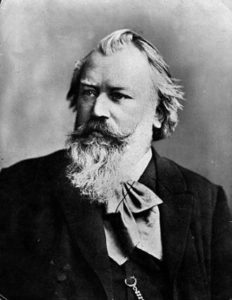 On this day in 1897, composer, pianist, and conductor of the Romantic period, Johannes Brahms died from liver cancer in Vienna, aged 63. Born on 7 May 1833 in Hamburg. Brahms spent much of his professional life in Vienna, Austria. His reputation and status as a composer are such that he is sometimes grouped with Johann Sebastian Bach and Ludwig van Beethoven as one of the “Three Bs” of classical music.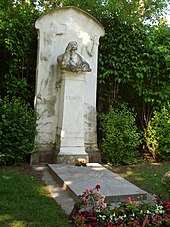
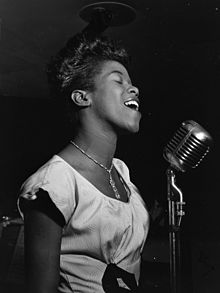 On this day in 1990, jazz singer, Grammy winner, Sailor, Sassy, The Divine One, Sarah Vaughan died at her home in California at the age of 66 from lung cancer. Born Sarah Lois Vaughan on 27 March 1924 in Newark, New Jersey. She had a contralto vocal range and her voice is one my favorites in music. Her singing ability was envied by many including Frank Sinatra who reportedly said that “Sassy is so good now that when I listen to her I want to cut my wrists with a dull razor.” Vaughan was married three times: George Treadwell (1946–1958 divorce), Clyde Atkins (1958–1961 divorce) and Waymon Reed (1978–1981 divorce).
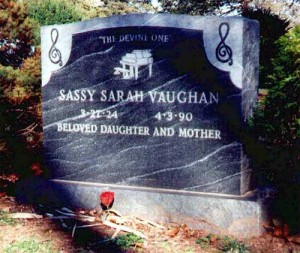 The Final Footprint – Vaughan’s funeral was held at the new location of Mount Zion Baptist Church, 208 Broadway in Newark, New Jersey, with the same congregation she grew up in. Following the ceremony, a horse-drawn carriage transported her body to its final resting place in Glendale Cemetery, Bloomfield in New Jersey. Her grave is marked by an individual upright marker with the inscription “THE DIVINE ONE” and the term of endearment “BELOVED DAUGHTER AND MOTHER.”
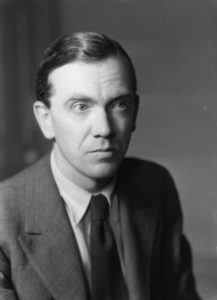 On this day in 1991, novelist Graham Greene died of leukemia, at the age of 86. Born Henry Graham Greene on 2 October 1904 in Berkhamsted in Hertfordshire, England. In my opinion, one of the leading English novelists of the 20th century. Combining literary acclaim with widespread popularity, Greene acquired a reputation early on as a major writer, both of serious Catholic novels, and of thrillers (or “entertainments” as he termed them). He was shortlisted, in 1966 and 1967, for the Nobel Prize for Literature. Through 67 years of writings, which included over 25 novels, he explored the ambivalent moral and political issues of the modern world, often through a Catholic perspective.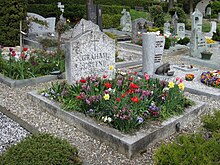
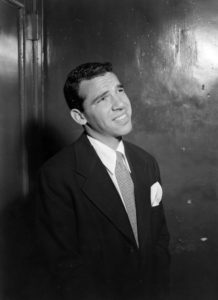 On this day in 1987, United States Marine Corp veteran, jazz drummer and bandleader Buddy Rich died of complications from a brain tumor in Los Angeles at the age of 69. Born Bernard Rich on September 30, 1917 in Brooklyn. In my opinion, he is one of the most influential drummers of all time and was known for his virtuoso technique, power, and speed. Among others he performed with Louie Armstrong, Count Basie, Tommy Dorsey, Ella Fitzgerald, Charlie Parker, Frank Sinatra and led a big band.
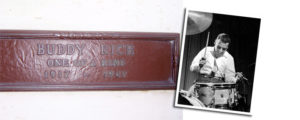 The Final Footprint
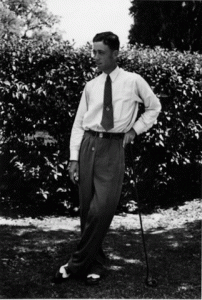 On this day in 1995, golf professional,
 coach, writer, Harvey Penick died in Austin, Texas at the age of 90. Born on 23 October 1904 in Austin. Penick was the golf coach at the University of Texas from 1931 to 1963, coaching the Longhorns to 21 Southwest Conference championships in 33 years, including 20 out of 23 seasons from 1932 to 1954 (1932–38; 1940–47; 1949–52; 1954). He coached the following members of the World Golf Hall of Fame: Tom Kite, Ben Crenshaw, Mickey Wright, Betsy Rawls, and Kathy Whitworth. In 1992, he co-authored (with Bud Shrake) Harvey Penick’s Little Red Book. The book became the highest selling golf book ever published. In my opinion, Penick was perhaps the most gifted instructor of the mental game who ever lived. He said; “once you address the ball, hitting it to the desired target must be the only thing in your life. Allow no negative thoughts, and focus on your goal.“ Penick and Shrake collaborated on four more golf books, the final three published after Penick’s 1995 death. During his final illness, he gave lessons from his deathbed to Crenshaw. Penick was married to Helen Holmes (1928-1995 his death).
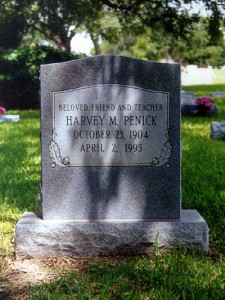 The Final Footprint – Penick is interred in Austin Memorial Park Cemetery in Austin. His grave is marked by a individual upright granite marker with the term of endearment; BELOVED FRIEND AND TEACHER. Helen was interred next to him upon her passing in 2006 at the age of 101. The day after serving as a pallbearer at Penick’s funeral, Crenshaw began play in the 1995 Masters Tournament. With the memory and spirit of his longtime friend and mentor to guide him, he became the second oldest Masters champion, winning his second Masters at the age of 43. Upon sinking his final putt on the 18th green, Crenshaw doubled over with his elbows on his knees and his face in his hands, crying. One of my all-time favorite sporting moments. I watch the Masters on television every year and I was riveted to every moment of that tournament in 1995. In the post-tournament interview, Crenshaw said: “I had a 15th club in my bag.” Other notable final footprints at Austin Memorial Park include; James Michener, Frank Hamer, Bibb Falk, and Noble Doss.
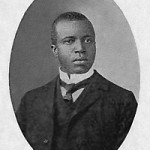 On this day in 1917, composer and pianist, The King of Ragtime, Scott Joplin died from tertiary syphilis and a resulting descent into insanity, in Manhattan State Hospital, a mental institution at the age of 49. During his brief career, he wrote 44 original ragtime pieces, one ragtime ballet, and two operas. One of his first pieces, the Maple Leaf Rag, became ragtime’s first and most influential hit, and has been recognized as the archetypal rag. Joplin was born into a musical family of laborers in Northeast Texas. He grew up in Texarkana, where he formed a vocal quartet, and taught mandolin and guitar. Joplin began publishing music in 1895, and publication of his Maple Leaf Rag in 1899 brought him fame. The score to his first opera, A Guest of Honor, was confiscated in 1903 with his belongings, owing to his non-payment of bills, and is considered lost. He continued to compose and publish music, and in 1907 moved to New York City, seeking to find a producer for a new opera. Joplin never married.
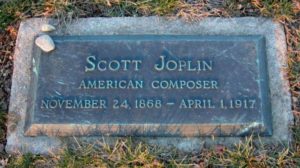 The Final Footprint – Joplin was buried in a pauper’s grave that remained unmarked for 57 years. His grave at Saint Michaels Cemetery in East Elmhurst, New York, was finally given a marker in 1974. Joplin’s death is widely considered to mark the end of ragtime as a mainstream music format, and in the next several years it evolved with other styles into jazz, and eventually big band swing. His music was rediscovered and returned to popularity in the early 1970s with the release of a million-selling album of Joplin’s rags recorded by Joshua Rifkin, followed by the Academy Award–winning movie The Sting, which featured several of his compositions, such as The Entertainer. The opera Treemonisha was finally produced in full to wide acclaim in 1972. In 1976, Joplin was posthumously awarded a Pulitzer Prize.

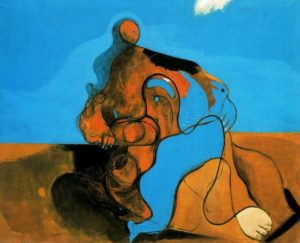 In 1927 Ernst married Marie-Berthe Aurenche, and it is thought his relationship with her may have inspired the erotic subject matter of The Kiss and other works of that year. Ernst appeared in the 1930 film L’Âge d’Or, directed by self-identifying Surrealist Luis Buñuel. In 1938, the American heiress and artistic patron Peggy Guggenheim acquired a number of Ernst’s works, which she displayed in her new gallery in London. Ernst and Guggenheim later were married (1942–1946).
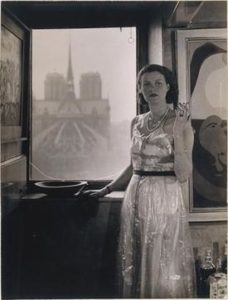
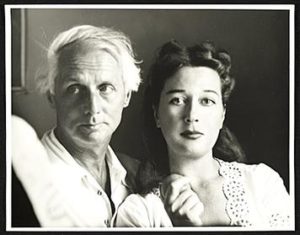
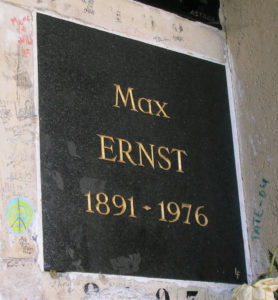 The Final Footprint
 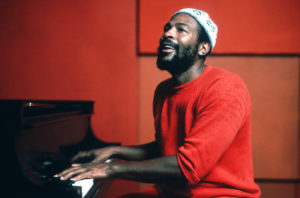 On this day in 1984, singer-songwriter and musician, The Prince of Motown, The Prince of Soul, Grammy winner, Marvin Gaye was shot and killed by his father during an argument at his parent’s home in Los Angeles the day before his 45th birthday. Born Marvin Pentz Gaye, Jr. on 2 April 1939 at Freedman’s Hospital in Washington, D.C. One of the giants of music. Where does one start a list of favorite Gaye songs; “Can I get a Witness”, “What’s Going On”, “Let’s Get it On”, “Sexual Healing”, to name just a few. Gaye was married twice; Anna Gordy, Berry Gordy’s sister (1964-1977) and Janis Hunter (1977-1981 divorce).
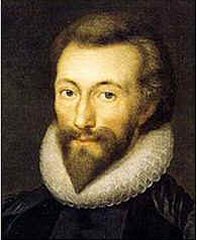 On this day in 1631, English cleric and poet, John Donne died at the age of 59 in London. Born 22 January 1572 in London. Donne is considered the pre-eminent representative of the metaphysical poets. His works are noted for their strong, sensual style and include sonnets, love poems, religious poems, Latin translations, epigrams, elegies, songs, satires and sermons. His poetry is noted for its vibrancy of language and inventiveness of metaphor, especially compared to that of his contemporaries. Donne’s style is characterised by abrupt openings and various paradoxes, ironies and dislocations. These features, along with his frequent dramatic or everyday speech rhythms, his tense syntax and his tough eloquence, were both a reaction against the smoothness of conventional Elizabethan poetry and an adaptation into English of European baroque and mannerist techniques. His early career was marked by poetry that bore knowledge of English society and he met that knowledge with sharp criticism. Another important theme in Donne’s poetry is the idea of true religion, something that he spent much time considering and about which he often theorized. He wrote secular poems as well as erotic and love poems. He spent much of the money he inherited during and after his education on womanising, literature, and travel. In 1601, Donne secretly married Anne More, with whom he had twelve children. In 1615, he became an Anglican priest.
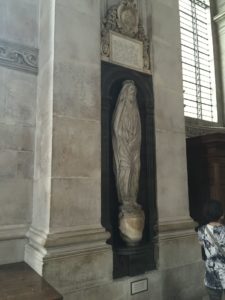 The Final Footprint – Donne was entombed in old St Paul’s Cathedral, where a memorial statue of him was erected (carved from a drawing of him in his shroud), with a Latin epigraph probably composed by himself. Donne’s monument survived the 1666 fire, and is on display in the present building. An excerpt from “Meditation 17 Devotions Upon Emergent Occasions” serves as the opening for Ernest Hemingway’s For Whom The Bell Tolls, and also produces the book’s title:
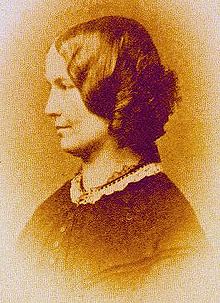 On this day in 1855, sister of Emily and Anne, novelist and poet, Charlotte Bronte died with her unborn child, aged 38 in Haworth, West Riding of Yorkshire, England. Born in Thornton, west of Bradford in the West Riding of Yorkshire, on 21 April 1816. The eldest of the three Brontë sisters who survived into adulthood and whose novels have become classics of English literature. She first published her works (including her best known novel, Jane Eyre) under the pen name Currer Bell. Charlotte received a proposal of marriage from Arthur Bell Nicholls, her father’s curate, who had long been in love with her. She initially turned down his proposal and her father objected to the union at least partly because of Nicholls’s poor financial status. Charlotte became increasingly attracted to Nicholls and by January 1854 she had accepted his proposal. They gained the approval of her father by April and married in June. They took their honeymoon in Banagher, Co. Offaly, Ireland.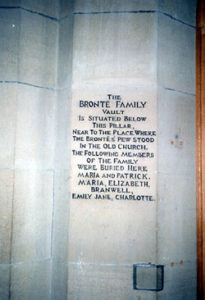
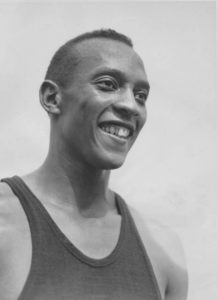 On this day in 1980, track and field athlete, four-time gold medalist in the 1936 Olympic Games, Jesse Owens died from lung cancer at age 66 in Tucson, Arizona. Born James Cleveland Owens on September 12, 1913 in Oakville, Alabama.
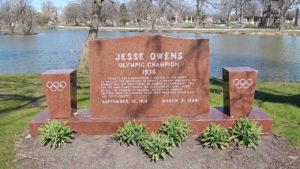 The Final Footprint
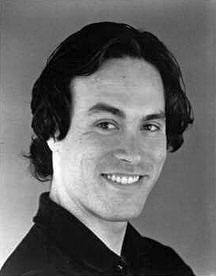 On this day in 1993, actor and martial artist Brandon Lee died in Wilmington, North Carolina during surgery after being injured on the set of The Crow after being shot by a faulty prop gun that fired the tip of a dummy round that was accidentally lodged in the chamber. He was 28. Born Brandon Bruce Lee on February 1, 1965 in Oakland, California. He was the first child of martial artist and actor Bruce Lee and teacher Linda Lee Cadwell (née Emery), the grandson of Cantonese opera singer Lee Hoi-chuen, and brother of Shannon Lee.
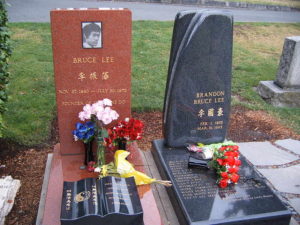 The Final Footprint
 On this day in 1995, singer-songwriter, Grammy winner, The Queen of Tejano, Selena was murdered in Corpus Christi, Texas at the age of 23. Born Selena Quintanilla on 16 April 1971 in Freeport Community Hospital in Lake Jackson, Texas. The most successful and popular star in the history of Tejano music. Her world-wide appeal extended far beyond Tejano. Selena was killed by Yolanda Saldivar, the president of her fan club and manager of the singer’s chain of beauty salons and boutiques. Selena believed that Saldivar had stolen over $30,000 from her businesses. Selena was married to Chris Pérez.
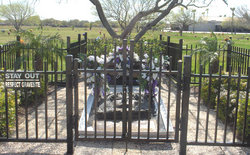 The Final Footprint – Selena is interred in Seaside Memorial Park in Corpus Christi in a private estate. Pavers lead up to the estate. Her grave is enclosed in a gated fence. The grave itself is marked by a full ledger bronze marker featuring a relief of her face and the inscription; “HE WILL ACTUALLY SWALLOW UP DEATH FOREVER, AND THE SOVEREIGN LORD JEHOVAH WILL CERTAINLY WIPE THE TEARS FROM ALL FACES”. ISIAH 25:8 On 12 April 1995, two weeks after her death, George W. Bush, governor of Texas at the time, declared her birthday “Selena Day” in Texas. Warner Bros. produced Selena (1997), a film based on her life starring Jennifer Lopez. Selena’s life was also the basis of the musical Selena Forever starring Veronica Vazquez. In June 2006, Selena was commemorated with a museum and a bronze life-sized statue, Mirador de la Flor, in Corpus Christi. Selena ¡VIVE!

