
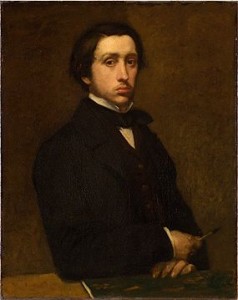
Self-portrait (Degas au porte-fusain), 1855
On this day in 1917, French Impressionism artist Edgar Degas died in Paris at the age of 83. Born Hilaire-Germain-Edgar de Gas on 19 July 1834 in Paris. Perhaps best known for his pastel drawings and oil paintings of ballerinas. Degas also produced bronze sculptures, prints, and drawings. He is especially identified with the subject of dance; more than half of his works depict dancers. Although Degas is regarded as one of the founders of Impressionism, he rejected the term, preferring to be called a realist, and did not paint outdoors as many Impressionists did. In addition to ballet dancers and bathing women, Degas painted race horses and racing jockeys, as well as portraits. His portraits are notable for their psychological complexity and for their portrayal of human isolation.
At the beginning of his career, Degas wanted to be a history painter, a calling for which he was well prepared by his academic training and close study of classical art. In his early thirties, he changed course, and by bringing the traditional methods of a history painter to bear on contemporary subject matter, he became a classical painter of modern life.
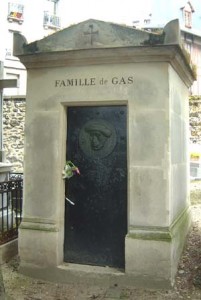 The Final Footprint – Degas is entombed in the Famille de Gas private mausoleum in the Cimetiere de Montmartre in Paris. Other notable final footprints at Montmartre include; Hector Berlioz, Dalida, Alexandre Dumas, fils, Théophile Gautier, Jeanne Moreau, Jacques Offenbach, François Truffaut, and Alfred de Vigny.
Gallery
-
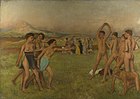
Young Spartans Exercising, c. 1860, National Gallery, London
-

-
Édouard Manet and Mme. Manet, 1868–1869, Kitakyushu Municipal Museum of Art, Japan
-

Portrait of Miss Cassatt, Seated, Holding Cards, 1876–1878
-

At the Café-Concert: The Song of the Dog, 1875–1877
-

Fin d’Arabesque, with ballerina Rosita Mauri, 1877, Musée d’Orsay.
-

The Singer with the Glove, 1878, The Fogg Art Museum, Cambridge, Massachusetts
-

Miss La La at the Cirque Fernando, 1879, The National Gallery, London
-

The Millinery Shop, 1885, The Art Institute of Chicago, Chicago, Illinois
-

Ballet Rehearsal, 1873, The Fogg Art Museum, Cambridge, Massachusetts
-

Waiting, 1880-82.
-

Dancer with a Bouquet of Flowers (Star of the Ballet), 1878
-

Stage Rehearsal, 1878–1879, The Metropolitan Museum of Art New York City
-

Woman in Street Clothes, Portrait of Ellen Andrée, 1879, pastel on paper
-

Dancers at The Bar, 1888, The Phillips Collection, Washington, DC
-

Woman in the Bath, 1886, Hill-Stead Museum, Farmington, Connecticut
-
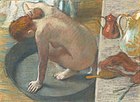
The Tub, 1886, Musée d’Orsay, Paris, France
-

The Bath: Woman Supporting her Back, c. 1887, pastel on paper, Honolulu Academy of Arts
-

Kneeling Woman, 1884, Pushkin Museum, Moscow
-

Three Dancers in Yellow Skirts, circa 1891, oil on canvas, The Detroit Institute of Arts
-

After the Bath, Woman Drying her Nape 1898, Musée d’Orsay, Paris, France
-

The Spanish Dance, c. 1885 (bronze cast 1921), bronze, 46.3 x 14.3 cm, Ackland Art Museum
-

Little Dancer of Fourteen Years, cast in 1922 from a mixed-media sculpture modeled ca. 1879–80, Bronze, partly tinted, with cotton skirt and satin hair ribbon, on a wooden base, Metropolitan Museum of Art
#RIP #OTD in 1919 coloratura soprano known for her bel canto technique, preeminent operatic performer throughout the last half of the 19th Century, Adelina Patti died at Craig-y-Nos, Wales aged 76. Père Lachaise Cemetery in Paris
On this day in 1956 sportswoman Mildred Ella “Babe” Didrikson Zaharias died of cancer at the John Sealy Hospital in Galveston, Texas, at the age forty-five. Born on 26 June 1911 in Port Arthur, Texas. She is interred in Forest Lawn Memorial Park in Beaumont, Texas.
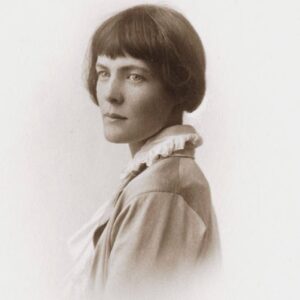 On this day in 1961, early modernist poet, novelist, essayist, H. D., Hilda Doolittle died from complications of a stroke in the Klinik Hirslanden in Zürich, aged 75. Her career began in 1911 after she moved to London and co-founded the avant-garde Imagist group of poets with the American expatriate poet and critic Ezra Pound. During this early period her minimalist and free verse works drew international attention. Over time her output developed to longer and more complex Epic poetry and prose.
Doolittle was born in Bethlehem, Pennsylvania on 10 September 1886. Discovering her bisexuality she had her first same-sex relationship while attending Bryn Mawr College between 1904 and 1906. After years of friendship, Doolittle became intellectually and sexually interested in Pound and followed him to London in 1911 where he championed her work, but their relation soon fell apart. Following a number of other sexual encounters and relationships, in 1918 she met the female novelist Bryher (Annie Winifred Ellerman) who became her constant companion until her death.
An associate literary editor of the Egoist journal between 1916 and 1917, Doolittle was published by the English Review and Transatlantic Review. During World War I, her brother died and her 1913 marriage to the writer and poet Richard Aldington ended. She was treated by Sigmund Freud during the 1930s, looking to understand both her war trauma and bisexuality. She wrote in a wide range of genres and formats over five decades. However her early Imagist poems overshadowed her later and more complex writings. Following a reappraisal by feminist critics in the 1970s and 1980s, she is now considered one of the foremost 20th-century modernist poets. Doolittle was interested in Ancient Greek literature and published numerous translations. Her poetry often borrows from Greek mythology and classical poets, and ranges from the Imagism of her youth to the epic poems composed from the 1940s, the best known of which is “Helen in Egypt” (1952–1954). These works are noted for their incorporation of natural scenes and objects, often used to evoke a particular feeling or mood. Doolittle wrote several novels, including Hedylus (1928), Palimpsest (1926), and Bid Me to Live (1960).
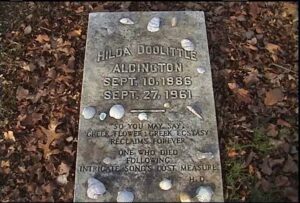 The Final Footprint – Cremated remains interred in the family plot in the Nisky Hill Cemetery, Bethlehem, Pennsylvania on October 28, 1961. Her headstone is inscribed with lines from her early poem “Epitaph”:
So you may say,
Greek flower; Greek ecstasy
reclaims forever
one who died
following
intricate song’s lost measure.Nisky Hill Cemetery, Bethlehem, Pennsylvania.
On this day in 1964, the Warren Commission issued a report concluding that Lee Harvey Oswald acted alone in assassinating President John F. Kennedy.
 On this day in 1965, actress (Man Trap, It, Wings), rancher, “The It Girl” Clara Bow died of a heart attack in Culver City, California, aged 60. Born Clara Gordon Bow in Prospect Heights, Brooklyn at 697 Bergen Street.
She rose to stardom during the silent film era of the 1920s and successfully made the transition to “talkies” in 1929. Her appearance as a plucky shopgirl in the film It brought her global fame and the nickname “The It Girl”. Bow came to personify the Roaring Twenties and has been described as its leading sex symbol.
Bow appeared in 46 silent films and 11 talkies, and was named first box-office draw in 1928 and 1929 and second box-office draw in 1927 and 1930. Her presence in a motion picture was said to have ensured investors, by odds of almost two-to-one, a “safe return”. At the apex of her stardom, she received more than 45,000 fan letters in a single month (January 1929).
Two years after marrying actor Rex Bell in 1931, Bow retired from acting and became a rancher in Nevada. Her final film, Hoop-La, was released in 1933.
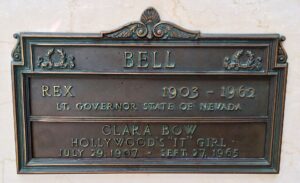 The Final Footprint – Freedom Mausoleum, Sanctuary of Heritage at Forest Lawn Memorial Park Cemetery in Glendale, California.
 On this day in 1986 Metallica bassist Cliff Burton died when their tour bus crashed in Ljungby Municipality, near Dörarp in rural southern Sweden. Born Clifford Lee Burton on 10 February 1962 in Castro Valley, California. Burton joined Metallica in 1982 and performed on the band’s first three studio albums, Kill ‘Em All, Ride the Lightning, and Master of Puppets. He also received a posthumous writing credit for the song “To Live Is to Die” from the band’s fourth studio album …And Justice For All.
The Final Footprint – Burton was cremated and his cremains were scattered at the Maxwell Ranch. At the ceremony, the song “Orion” was played. The lyrics “…cannot the Kingdom of Salvation take me home” from “To Live Is to Die” are written on Burton’s memorial stone. Perhaps the best-known non-Metallica tribute to Burton is the song “In My Darkest Hour” by thrash metal band Megadeth. According to Dave Mustaine, after hearing of Burton’s death, he wrote the song in Burton’s honour. Mustaine was Metallica’s lead guitarist in the early days and was a close friend of Burton.
On this day in 1998 Heisman Trophy winner Doak Walker died as a result of injuries suffered previously in a skiing accident at the age of 71. Born Ewell Doak Walker, Jr. on 1 January 1927 in Dallas, Texas. Walker was cremated and his cremains were scattered on Long’s Peak in Colorado.
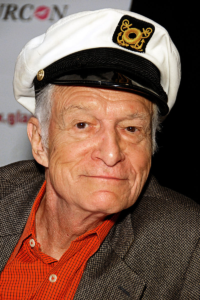 On this day in 2017, businessman, magazine publisher, and playboy Hugh Hefner died at his home in Holmby Hills, Los Angeles at the age of 91. Born Hugh Marston Hefner on April 9, 1926 in Chicago. He was the founder of Playboy and editor-in-chief of the magazine, which he founded in 1953. An advocate of sexual liberation and freedom of expression, Hefner was a political activist and philanthropist in several other causes and public issues.
Hefner with his then-partners Holly Madison(left) and Bridget Marquardt, 2007
In 1949, Hefner married Northwestern University student Mildred (“Millie”) Williams. Before the wedding, Mildred confessed that she had an affair while he was away in the army. He called the admission “the most devastating moment of my life.” A 2006 E! True Hollywood Story profile of Hefner revealed that Mildred allowed him to have sex with other women, out of guilt for her own infidelity and in the hope that it would preserve their marriage. The two were divorced in 1959.
Hefner remade himself as a bon vivant and man about town, a lifestyle he promoted in his magazine and two TV shows he hosted, Playboy’s Penthouse (1959–1960) and Playboy After Dark (1969–1970). He admitted to being “‘involved’ with maybe eleven out of twelve months’ worth of Playmates” during some of these years. Donna Michelle, Marilyn Cole, Lillian Müller, Shannon Tweed, Barbi Benton, Karen Christy, Sondra Theodore, and Carrie Leigh – who filed a $35 million palimony suit against him – were a few of his many lovers. In 1971, he acknowledged that he experimented in bisexuality. Also in 1971, Hefner established a second residence in Los Angeles with the acquisition of Playboy Mansion West and, in 1975, moved there permanently from Chicago.
In 1986 he married Playmate of the Year Kimberley Conrad; they were 36 years apart in age. After he and Conrad separated in 1998, she moved into a house next door to the mansion.
Hefner became known for moving an ever-changing coterie of young women into the Playboy Mansion, including twins Sandy and Mandy Bentley. He dated as many as seven women concurrently. He also dated Brande Roderick, Izabella St. James, Tina Marie Jordan, Holly Madison, Bridget Marquardt, and Kendra Wilkinson.
After an 11-year separation, Hefner filed for divorce from Conrad citing irreconcilable differences.
In January 2009, Hefner began a relationship with Crystal Harris. She joined the Shannon Twins after his previous “number one girlfriend”, Holly Madison, had ended their seven-year relationship. On December 24, 2010, he became engaged to Harris, to become his third wife. Harris broke off their engagement on June 14, 2011, five days before their planned wedding. In anticipation of the wedding, the July issue of Playboy, which reached store shelves and customer’s homes within days of the wedding date, featured Harris on the cover and in a photo spread as well. The headline on the cover read “Introducing America’s Princess, Mrs. Crystal Hefner”. Hefner and Harris subsequently reconciled and married on December 31, 2012.
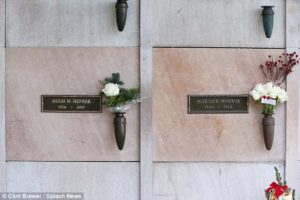 The Final Footprint
 He is entombed at Westwood Memorial Park in Los Angeles in the crypt beside Marilyn Monroe. “Spending eternity next to Marilyn is an opportunity too sweet to pass up,” Hefner had told the Los Angeles Times in 2009. Other notable final footprints at Westwood include; Ray Bradbury, Sammy Cahn, Truman Capote, James Coburn, Rodney Dangerfield, Janet Leigh, Farrah Fawcett, Brian Keith, Don Knotts, Burt Lancaster, Peter Lawford, Peggy Lee, Jack Lemmon, Karl Malden, Dean Martin, Walter Mathau, Marilyn Monroe, Carroll O’Connor, Roy Orbison, George C. Scott, Dorothy Stratten, Natalie Wood, and Frank Zappa.
#RIP #OTD in 2023 actor (Gosford Park, Harry Potter, Open Range), Michael Gambon died in Witham, Essex, England aged 82. Cremation
#RIP #OTD in 2024 actress (The Prime of Miss Jean Brodie, California Suite, Othello, Travels with My Aunt, A Room with a View, Gosford Park, Harry Potter, Death on the Nile), Maggie Smith died at the Chelsea and Westminster Hospital in London aged 89. Cremated
Have you planned yours yet?
Follow TFF on twitter @RIPTFF
 The Final Footprint
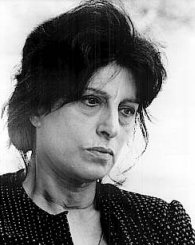 On this day in 1973, stage and film actress, La Lupa, Anna Magnani died from pancreatic cancer in Rome at the age of 65. Born on 7 March 1908 in Rome. She won the Academy Award for Best Actress, along with four other international awards, for her portrayal of a Sicilian widow in The Rose Tattoo.

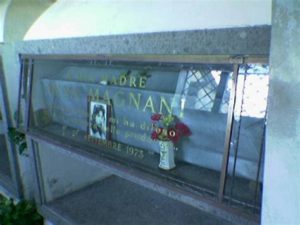 The Final Footprint
 On this day in 2003, singer, songwriter, musician, Robert Palmer died in Paris at the Hôtel Warwick Champs-Elysées, rue de Berri, from a heart attack at the age of 54. Born Robert Allen Palmer on 19 January 1949 in Batley, West Yorkshire, England. Palmer was known for his distinctive voice and the eclectic mix of musical styles on his albums, combining soul, jazz, rock, pop, reggae and blues. He found success both in his solo career and in the musical act The Power Station, and had Top 10 songs in both the UK and the US. His iconic music videos by Terence Donovan for the hits “Addicted to Love” and “Simply Irresistible” featured identically dressed dancing women with pale faces, dark eye makeup and bright red lipstick, which resembled the women in the art of Patrick Nagel, an artist popular in the 1980s. Sharp-suited, his involvement in the music industry commenced in the 1960s, and covered five decades. Palmer received a number of awards throughout his career, including two Grammy Awards for Best Male Rock Vocal Performance, an MTV Video Music Award, and was twice nominated for the Brit Award for Best British Male. Palmer married twice: Shelly Putman (1974 – 1978 divorce) and Susan Eileen Thatcher (1979 – 1999 divorce).
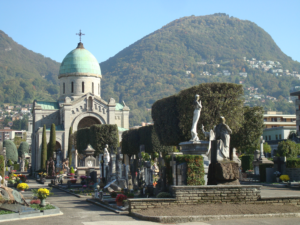 The Final Footprint –
 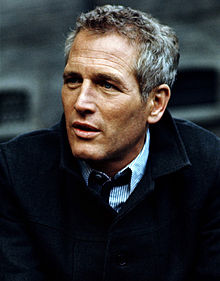 On this day in 2008, Academy Award winning actor, director, entrepreneur, philanthropist, and auto racing enthusiast Paul Newman died at his home surrounded by his family and friends in Westport, Connecticut at the age of 83. Born Paul Leonard Newman on 26 January 1925 in Shaker Heights, Ohio. He won numerous awards, including an Academy Award for best actor for his performance in the 1986 Martin Scorsese film The Color of Money and eight other nominations, six Golden Globe Awards (including three honorary ones), a BAFTA Award, a Screen Actors Guild Award, a Cannes Film Festival Award, an Emmy award, and many honorary awards. He also won several national championships as a driver in Sports Car Club of America road racing, and his race teams won several championships in open wheel IndyCar racing. Newman was a co-founder of Newman’s Own, a food company from which Newman donated all post-tax profits and royalties to charity. One of my favorite actors. My favorite movies with Newman; Cat on a hot Tin Roof, The Hustler, Hud, Cool Hand Luke, Butch Cassidy and the Sundance Kid, The Life and Times of Judge Roy Bean, The Sting, The Color of Money. Newman married twice: Jackie Witte (1949 – 1958 divorce) and actress Joanne Woodward (1958 – 2008 his death).


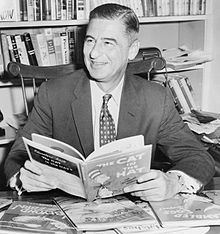 On this day in 1991, author, poet and illustrator, Dr. Seuss died of throat cancer at his home in La Jolla, California at the age of 87. Born Theodore Seuss Geisel in Springfield, Massachusetts on 2 March 1904. In my opinion, he was the best author and illustrator of children’s books. Geisel published 46 children’s books, often characterized by imaginative characters, rhyme, and frequent use of anapestic meter. His most celebrated books include the bestselling Green Eggs and Ham, The Cat in the Hat, The Lorax, One Fish Two Fish Red Fish Blue Fish, Horton Hatches the Egg, Horton Hears a Who!, and How the Grinch Stole Christmas!. Numerous adaptations of his work have been created, including 11 television specials, four feature films, a Broadway musical and four television series. He won the Lewis Carroll Shelf Award in 1958 for Horton Hatches the Egg and again in 1961 for And to Think That I Saw It on Mulberry Street. Geisel also worked as an illustrator for advertising campaigns, most notably for Flit and Standard Oil, and as a political cartoonist for PM, a New York City newspaper. During World War II, he worked in an animation department of the United States Army, where he wrote Design for Death, a film that later won the 1947 Academy Award for Documentary Feature. Christmas would not be Christmas without watching and reading How the Grinch Stole Christmas. Geisel married twice; children’s author Helen Palmer (1927 – 1967 her death) and Audrey Stone Dimond (1968 – 1991 his death).
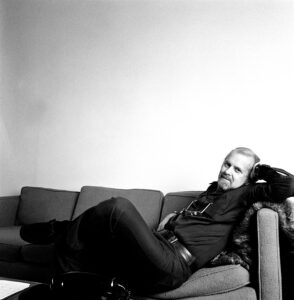
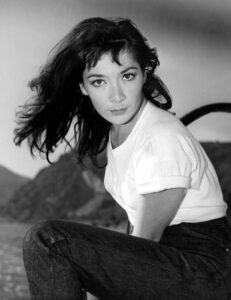
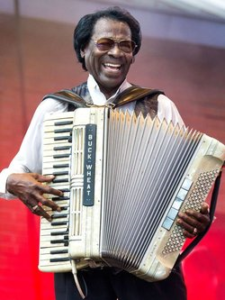 On this day in 2016,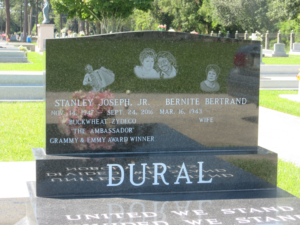
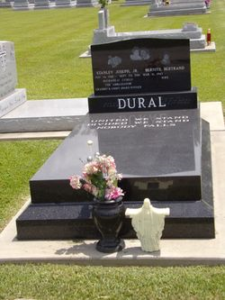
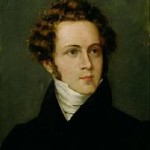
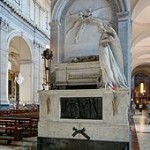
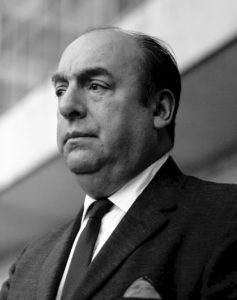
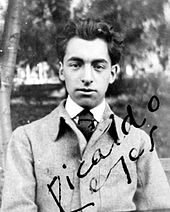
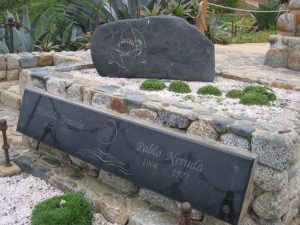
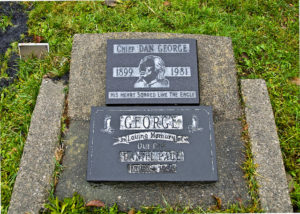
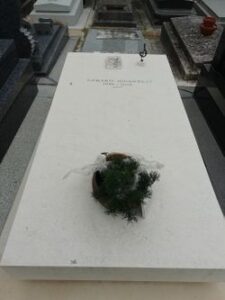 The Final Footprint – Cimetière du Montparnasse, Paris.
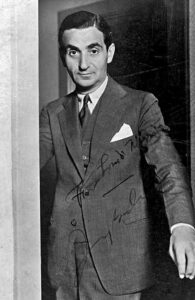 On this day in 1989, Tony and Grammy winner, songwriter, composer, lyricist Irving Berlin died in New York City at the age of 101. Born Israel Isidore Baline on 11 May 1888 in Tyumen, Russia, now Belarus. In my opinion, one of the greatest songwriters. Among the many songs he wrote; God Bless America, White Christmas, Alexander’s Ragtime Band, There’s no Business like Show Business, Blue Skies, Puttin’ on the Ritz. Composer Douglas Moore sets Berlin apart from all other contemporary songwriters, and includes him instead with Stephen Foster, Walt Whitman, and Carl Sandburg, as a “great American minstrel”—someone who has “caught and immortalized in his songs what we say, what we think about, and what we believe.” George Gershwin called him “the greatest songwriter that has ever lived”, and Jerome Kern concluded that “Irving Berlin has no place in American music—he is American music.” In 1912, he married Dorothy Goetz. She died six months later of typhoid fever, which she contracted during their honeymoon in Havana. The song he wrote to express his grief, “When I Lost You,” was his first ballad. In 1925 he married Ellin Mackay. Their marriage remained a love affair and they were inseparable until she died in July 1988 at the age of 85.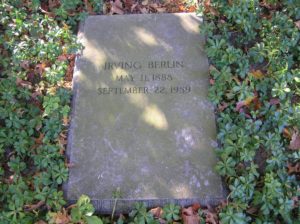
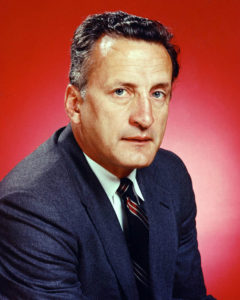 On this day in 1999, stage and film actor, director and producer George C. Scott died of a ruptured abdominal aortic aneurysm in Westlake Village, California, at the age of 71. Born George Campbell Scott on October 18, 1927 in Wise, Virginia. Perhaps best known for his stage work, as well as his portrayal of General George S. Patton in the film Patton, as General Buck Turgidson in Stanley Kubrick’s Dr. Strangelove or: How I Learned to Stop Worrying and Love the Bomb, Ebenezer Scrooge in Clive Donner’s 1984 film A Christmas Carol and Lieutenant Bill Kinderman in William Peter Blatty’s The Exorcist III.
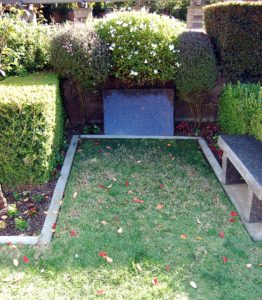 The Final Footprint
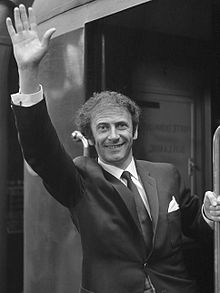
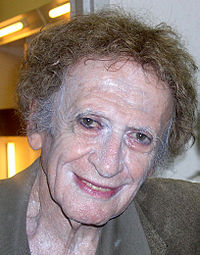
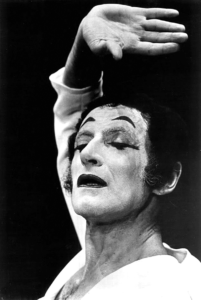 On this day in 2007 actor and mime artist Marcel Marceau died at the racetrack in Cahors, France, at the age of 84. Born Marcel Mangel on 22 March 1923 in Strasbourg, France. Perhas best known for his stage persona as “Bip the Clown”. He referred to mime as the “art of silence”, and he performed professionally worldwide for over 60 years. As a youth, he lived in hiding and worked with the French Resistance during most of World War II, giving his first major performance to 3000 troops after the liberation of Paris in August 1944. Following the war, he studied dramatic art and mime in Paris.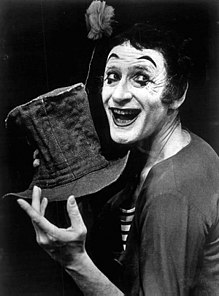

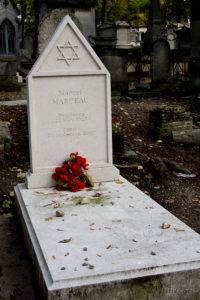 The Final Footprint
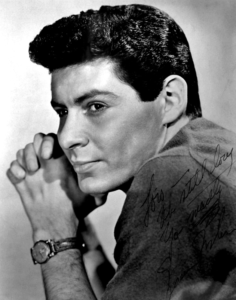 On this day in 2010, singer and actor Eddie Fisher died

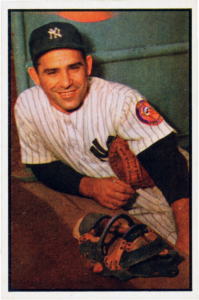 On this day in 2015, U. S. Navy veteran, Purple Heart recipient, MLB Hall of Fame catcher, manager, 3x AL MVP, 18x All Star, 10x World Series champ, New York Yankee Yogi Berra died in West Caldwell, New Jersey, 69 years to the day after his MLB debut, at the age of 90. Born Lawrence Peter Berra on May 12, 1925 in St. Louis, Missouri. He played 19 seasons (1946–63, 1965), all but the last for the Yankees. Berra had a career batting average of .285, while hitting 358 home runs and 1,430 runs batted in. In my opinion, one of the greatest catchers in baseball history


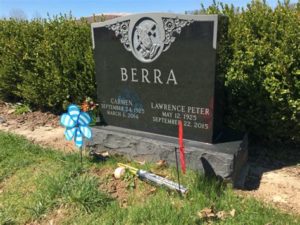 The Final Footprint
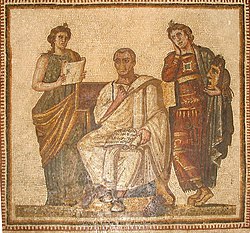
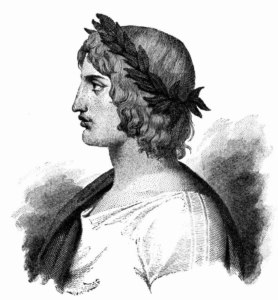 On this day in 19 BC, ancient Roman poet of the Augustan period, Virgil died in Brundisium harbor at the age of 50. Born Publius Vergilius Maro on October 15, 70 BC Near Mantua, Cisalpine Gaul, Roman Republic (now Province of Mantua, Italy). He wrote three of the most famous poems in Latin literature: the Eclogues (or Bucolics), the Georgics, and the epic Aeneid. A number of minor poems, collected in the Appendix Vergiliana, are sometimes attributed to him.


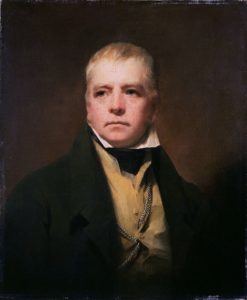 On this day in 1832, Scottish novelist, playwright and poet, Sir Walter Scott died, under unexplained circumstances, at the age of 61 at his home Abbotsford House near Melrose in the Scottish borders. Scott was the first English-language author to have a truly international career in his lifetime, with many contemporary readers in Europe, Australia, and North America. His novels and poetry are still read, and many of his works remain classics of both English-language literature and of Scottish literature. His best known works include the novels, Ivanhoe, Rob Roy, Waverley, The Heart of Midlothian and The Bride of Lammermoor and his poem The Lady of the Lake. Scott married Charlotte Genevieve Charpentier (or Carpenter), daughter of Jean Charpentier of Lyon, France. Born on 15 August 1771 in College Wynd in the Old Town of Edinburgh.
 The Final Footprint – Scott is buried in a pillared side chapel of the Dryburgh Abbery ruins in Melrose. During his lifetime, Scott’s portrait was painted by Sir Edwin Landseer and fellow-Scots Sir Henry Raeburn and James Eckford Lauder. In Edinburgh, the 61.1 metre tall Victorian Gothic spire of the Scott Monument was designed by George Meikle Kemp. It was completed in 1844, 12 years after Scott’s death, and dominates the south side of Princes Street. Scott is also commemorated on a stone slab in Makars’ Court, outside The Writers’ Museum, Lawnmarket, Edinburgh, along with other prominent Scottish writers; quotes from his work are also visible on the Canongate Wall of the Scottish Parliament building in Holyrood. There is a tower dedicated to his memory on Corstorphine Hill in the west of the city and as mentioned previous Edinburgh’s Waverley railway station takes the name of one of his novels. In Glasgow, Walter Scott’s Monument dominates the centre of George Square, the main public square in the city. Designed by David Rhind in 1838, the monument features a large column topped by a statue of Scott. There is a statue of Scott in New York City’s Central Park. The annual Walter Scott Prize for Historical Fiction was created in 2010 by the Duke and Duchess of Buccleuch, whose ancestors were closely linked to Sir Walter Scott. At £25,000 it is one of the largest prizes in British literature. The award has been presented at Scott’s historic home Abbotsford House.

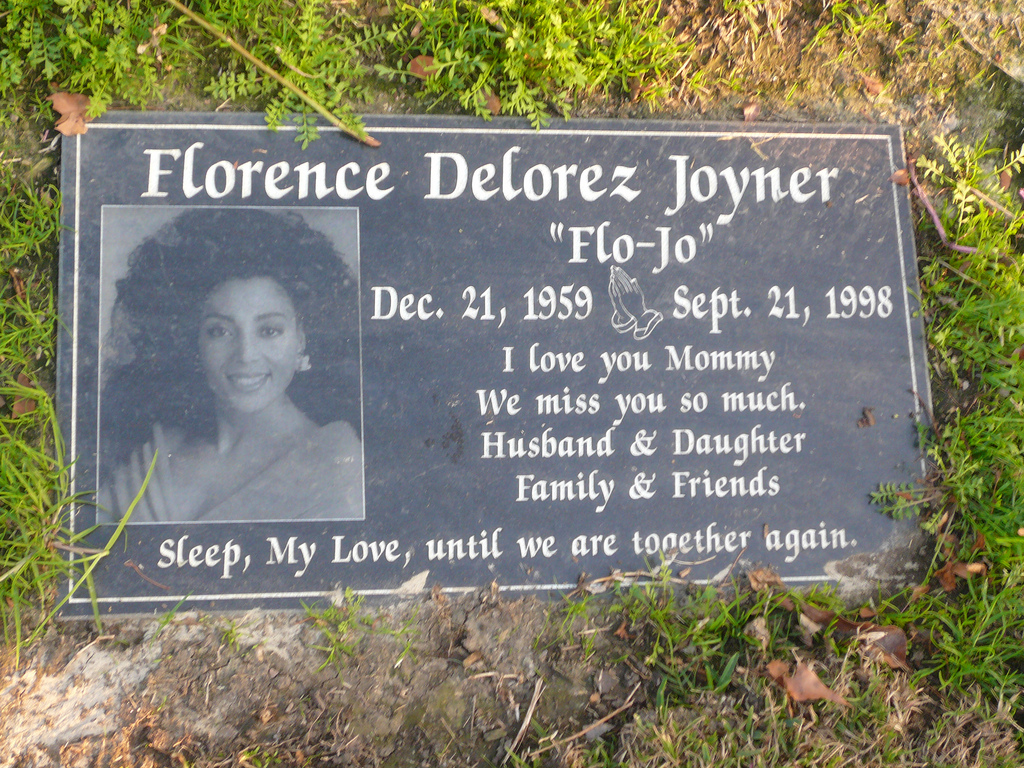
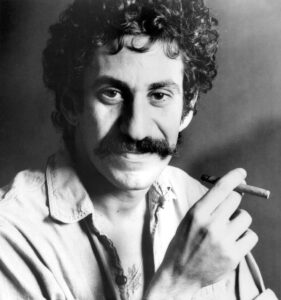
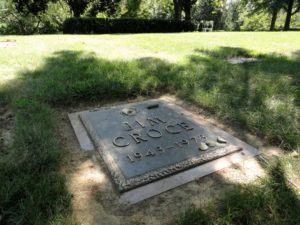 The Final Footprint – Croce is buried at Haym Salomon Cemetery in Malvern, Pennsylvania.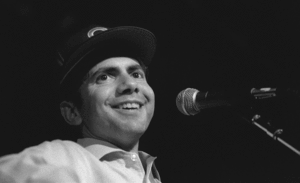

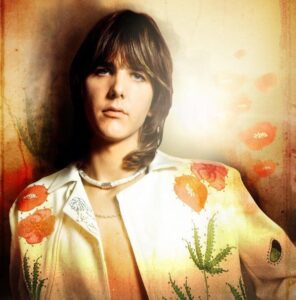 On this day in 1973, singer, songwriter, musician Gram Parsons died in Joshua Tree, California, at the age of 26 from an overdose of morphine and alcohol. Born Ingram Cecil Connor III on 5 November 1946, in Winter Haven, Florida. Parsons is best known for his work within the country music genre; he also popularized what he called “Cosmic American Music”, a hybrid of country, rhythm and blues, soul, folk, and rock. Besides recording as a solo artist, he also worked in several notable bands, including the International Submarine Band, The Byrds, and The Flying Burrito Brothers. His relatively short career is described by Allmusic as “enormously influential” for both country and rock, “blending the two genres to the point that they became indistinguishable from each other.” Parsons apparently developed an interest in country music while attending Harvard University. He founded the International Submarine Band in 1966, and after several months of delay their debut, Safe at Home, was released in 1968, by which time the group had disbanded. Parsons joined The Byrds in early 1968, and played a pivotal role in the making of the seminal Sweetheart of the Rodeo album. After leaving the group in late 1968, Parsons and fellow Byrd Chris Hillman formed The Flying Burrito Brothers in 1969, releasing their debut, The Gilded Palace of Sin, the same year. The album was well received but failed commercially. After a cross-country tour, they recorded Burrito Deluxe. Parsons was fired from the band before its release in early 1970. He soon signed with A&M Records, but after several unproductive sessions he canceled his intended solo debut in early 1971. Parsons moved to France, where he lived for a short period at Villa Nellcôte with his friend Keith Richards of The Rolling Stones. Returning to America, Parsons befriended Emmylou Harris, who assisted him on vocals for his first solo record, GP, released in 1973. Although it received enthusiastic reviews, the release failed to chart; his next album, Grievous Angel met with a similar reception, and peaked at number 195 on Billboard.
 The Final Footprint – Parsons’ body disappeared from the Los Angeles International Airport where it was being readied to be shipped to Louisiana for burial. Prior to his death, Parsons stated that he wanted his body cremated at Joshua Tree and his ashes spread over Cap Rock, a prominent natural feature there; however, Parsons’ stepfather, Robert Parson, arranged for a private ceremony back in New Orleans and neglected to invite any of his friends from the music industry. To fulfill Parsons’ funeral wishes, his friend Phil Kaufman stole his body from the airport and in a borrowed hearse drove it to Joshua Tree. Upon reaching the Cap Rock section of the park, they attempted to cremate Parsons’ corpse by pouring five gallons of gasoline into the open coffin and throwing a lit match inside. What resulted was an enormous fireball. The police gave chase but, as one account puts it, “were encumbered by sobriety,” and the men escaped. The two were arrested several days later. Since there was no law against stealing a dead body, they were only fined $750 for stealing the coffin and were not prosecuted for leaving 35 lbs of his charred remains in the desert.
 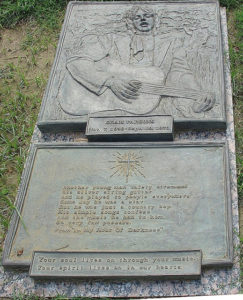 Parsons body was eventually buried in Garden of Memories of Metairie, Louisiana. The site of Parsons’ cremation was marked by a small concrete slab and was presided over by a large rock flake known to rock climbers as The Gram Parsons Memorial Hand Traverse. The slab has since been removed by the U.S. National Park Service, and relocated to the Joshua Tree Inn. There is no monument at Cap Rock noting Parsons’ cremation at the site. Joshua Tree park guides are given the option to tell the story of Parsons’ cremation during tours, but there is no mention of the act in official maps or brochures. Fans regularly assemble simple rock structures and writings on the rock, which the park service sand blasts to remove from time to time.
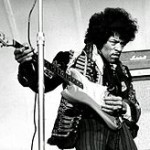 On this day in 1970, musician, singer, songwriter, one of the greatest electric guitar players, member of the Forever 27 Club, Jimi Hendrix died in London in the flat of his girlfriend Monika Dannemann in the Samarkand Hotel, 22 Lansdowne Crescent, Notting Hill, apparently from an accidental overdose of prescription medication, at the age of 27. Born Johnny Allen Hendrix on 27 November 1942 in Seattle, Washington. In 1946 his parents changed his name to James Marshall Hendrix, in honor of his father, James Allen Ross, and his late brother Leon Marshall. Despite a limited mainstream exposure of four years, he is widely considered one of the most influential electric guitarists in the history of popular music and one of the most celebrated musicians of the 20th century. In 1964, he earned a spot in the Isley Brothers’ backing band and later that year he found work with Little Richard, with whom he continued to play through mid-1965. He then joined Curtis Knight and the Squires before moving to England in late 1966. In 1967, Hendrix earned three UK top ten hits with the Jimi Hendrix Experience: “Hey Joe”, “Purple Haze”, and “The Wind Cries Mary”. Later that year, he achieved fame in the US after his performance at the Monterey Pop Festival. The world’s highest paid performer, he headlined the Woodstock Festival in 1969 and the Isle of Wight Festival in 1970. Inspired musically by American rock and roll and electric blues, Hendrix favored overdriven amplifiers with high volume and gain, and was instrumental in developing the previously undesirable technique of guitar amplifier feedback. He helped to popularize the use of a wah-wah pedal in mainstream rock, and pioneered experimentation with stereophonic phasing effects in music recordings. Hendrix was the recipient of several music awards during his lifetime and posthumously; the Jimi Hendrix Experience was inducted into the Rock and Roll Hall of Fame in 1992 and the UK Music Hall of Fame in 2005. Rolling Stone ranked his three non-posthumous studio albums, Are You Experienced, Axis: Bold as Love, and Electric Ladyland among the 100 greatest albums of all time and they ranked Hendrix as the greatest guitarist. Other members of the Forever 27 Club include; Kurt Cobain, Brian Jones, Robert Johnson, Janis Joplin, Jim Morrison, Alan Wilson, Amy Winehouse, and Anton Yelchin.
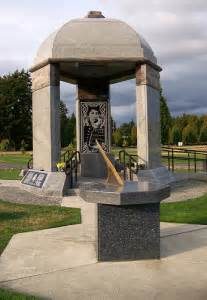 The Final Footprint – On 29 September, Hendrix’s body was returned to Seattle. After a service at Dunlop Baptist Church on 1 October, he was interred in Greenwood Memorial Park (a
 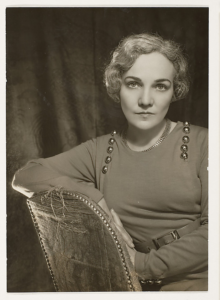 On this day in 1980, journalist, essayist, author, poet and Pulitzer Prize recipient, Katherine Anne Porter died in Silver Spring, Maryland at the age of 90. Born Callie Russell Porter on 15 May 1890 in Indian Creek, Texas. Her 1962 novel Ship of Fools was the best-selling novel in America that year, but her short stories received more critical acclaim. She is known for her penetrating insight. Her work deals with dark themes such as betrayal, death and the origin of human evil. She was married and divorced four times and never had any children.
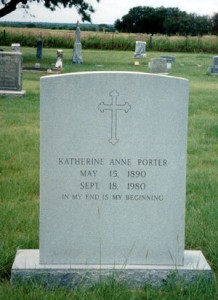 The Final Footprint – Porter was cremated and her ashes were buried next to her mothers in the Indian Creek Cemetery in Indian Creek. Her grave is marked by an upright granite marker. In addition to her name and birth and death dates, the monument inscription reads; IN MY END IS MY BEGINNING. One of my favorite writers, I commemorate her birthday every year by reading some of her short stories. In 1990, Recorded Texas Historic Landmark number 2905 was placed in Brown County, Texas to honor the life and career of Porter. One of my very favorite writers. Each year on her birthday I read some of her short stories.
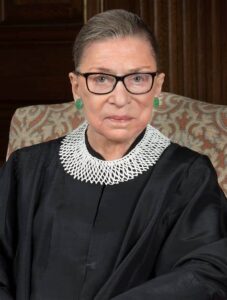 And on this day in 2020, lawyer and jurist who served as an associate justice of the Supreme Court of the United States from 1993 until her death, Ruth Bader Ginsburg died of pancreatic cancer in Washington DC, at age 87.
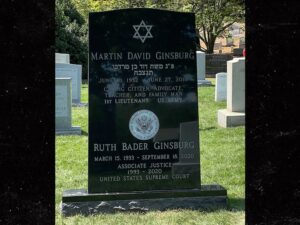 The Final Footprint – She died on the eve of Rosh Hashanah, and according to Rabbi Richard Jacobs, “One of the themes of Rosh Hashanah suggest that very righteous people would die at the very end of the year because they were needed until the very end”. After the announcement of her death, thousands of people gathered in front of the Supreme Court building to lay flowers, light candles, and leave messages.

