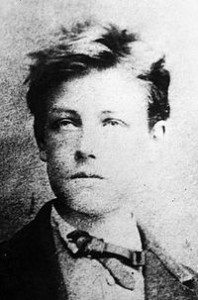
 On this day in 1891, poet, Arthur Rimbaud, died in Marseille, France at the age of 37 from bone cancer. Born Jean Nicolas Arthur Rimbaud on 20 October 1854 in Charleville, Ardennes, France. He produced his best known poems in his late teens. Victor Hugo called him the “enfant Shakespeare”. As part of the decadent movement, Rimbaud influenced modern literature, music and art. He had a short and torrid affair with fellow poet Paul Verlaine. Rimbaud never married. He traveled extensively over three continents. His poetry, as well as his life, are said to have influenced writers, musicians and artists including; Pablo Picasso, Dylan Thomas, Vladimir Nabokov, Bob Dylan, Patti Smith and Jim Morrison. My favorite poem of his is Une Saison en Enfer (A Season in Hell) (1873). The French painter Henri Fantin-Latour depicted Rimbaud and Verlaine in his 1872 painting Around the Table (Writers).
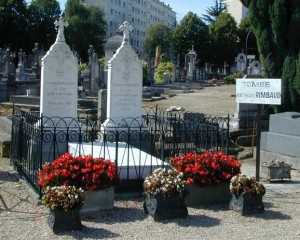 The Final Footprint – Rimbaud is entombed in Charleville-Mezieres Cimetière in Charleville-Mezieres, Champagne-Ardenne Region, France. His tomb is marked by a large upright marble marker. His inscription reads; Priez pour lui (Pray for him).
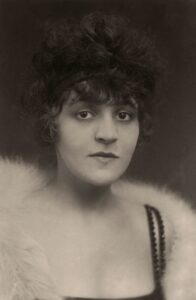 On this day in 1928 dancer, actress, writer, libertine, subject of Otto Dix paintings, Anita Berber died in a Kreuzberg, Berlin hospital, from tuberculosis, aged 29. Born 10 June 1899 in Leipzig.
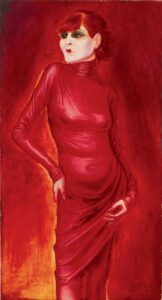
Scandalously androgynous, she quickly made a name for herself. She wore heavy dancer’s make-up, which on the black-and-white photos and films of the time came across as jet black lipstick painted across the heart-shaped part of her skinny lips, and charcoaled eyes.[3] Berber’s hair was fashionably cut into a short bob and was frequently bright red, as in 1925 when the German painter Otto Dix painted a portrait of her, titled Portrait of the Dancer Anita Berber.
 Her dancer, friend and sometime lover Sebastian Droste, who performed in the film Algol (1920), was thin and had black hair with gelled up curls much like sideburns. Neither of them wore much more than lowslung loincloths and Anita occasionally a corsage, placed well below her breasts.
Berber and Droste collaborated on a book titled Dances of Vice, Horror, and Ecstasy in 1923. Around 1,000 copies were published and even prominent artist Hannah Höch owned a copy.
Berber’s dances – which had names such as “Cocaine” and “Morphium” – broke boundaries with their androgyny and total nudity, but it was her public appearances that really challenged social taboos. Berber’s overt drug addiction and bisexuality were matters of public gossip. In addition to her addiction to cocaine, opium and morphine, one of Berber’s favourite forms of inebriation was chloroform and ether mixed in a bowl. This would be stirred with a white rose, the petals of which she would then eat.
Karl Toepfer contends that no one of this era was “more closely associated with nude dancing than Anita Berber”. A contemporary of Berber, choreographer Joe Jencik, described how “The public never appreciated Anita’s artistic expression, only her public transgressions in which she trespassed the untouchable line between the stage and the audience. . . . She sacrificed her person to a self-vivisection of her life.”
Aside from her addiction to narcotic drugs, Berber was also an alcoholic. In 1928, at the age of 29, she suddenly gave up alcohol completely, but died later the same year. According to Mel Gordon, in The Seven Addictions and Five Professions of Anita Berber: Weimar Berlin’s Priestess of Debauchery, she had been diagnosed with severe tuberculosis while performing abroad.
The Final Footprint – After collapsing in Damascus, she returned to Germany and died in a Kreuzberg, Berlin hospital, although rumour had it that she died surrounded by empty morphine syringes. Berber was buried in a pauper’s grave in St. Thomas Cemetery in Neukölln, Berlin
#RIP #OTD in 1994 pianist, jazz singer (Take Five, When I Fall in Love, How Long Has this Been Going On?) Carmen McRae died from a stroke at her home in Beverly Hills, California, at the age of 74. Cremation
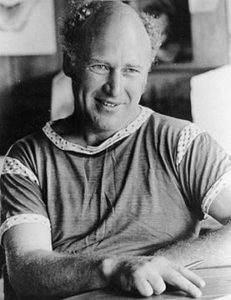 On this day in 2001, novelist, essayist, and countercultural figure Ken Kesey died from complications of liver cancer in Eugene, Oregon, at age 66. Born Kenneth Elton Kesey on September 17, 1935 in La Junta, Colorado. He considered himself a link between the Beat Generation of the 1950s and the hippies of the 1960s.
Kesey grew up in Springfield, Oregon, graduating from the University of Oregon in 1957. He began writing One Flew Over the Cuckoo’s Nest in 1960 following the completion of a graduate fellowship in creative writing at Stanford University; the novel was an immediate commercial and critical success when published two years later. During this period, Kesey participated in government studies involving hallucinogenic drugs (including mescaline and LSD) to supplement his income.
Following the publication of One Flew Over the Cuckoo’s Nest, he moved to nearby La Honda, California, and began hosting happenings with former colleagues from Stanford, miscellaneous bohemian and literary figures (most notably Neal Cassady), and other friends collectively known as the Merry Pranksters. These parties, known as Acid Tests, integrated the consumption of LSD with multimedia performances. He mentored the Grateful Dead (the de facto “house band” of the Acid Tests) throughout their incipience and continued to exert an influence upon the group throughout their career. Sometimes a Great Notion was a commercial success that polarized critics and readers upon its release in 1964. Kesey regarded the novel as his magnum opus.
In 1965, following an arrest for marijuana possession and subsequent faked suicide, Kesey was imprisoned for five months. Shortly thereafter, he returned home to the Willamette Valley and settled in Pleasant Hill, Oregon, where he maintained a secluded, family-oriented lifestyle for the rest of his life. In addition to teaching at the University of Oregon—an experience that culminated in Caverns (1989), a collaborative novel written by Kesey and his graduate workshop students under the pseudonym of “O.U. Levon”—he continued to regularly contribute fiction and reportage to such publications as Esquire, Rolling Stone, Oui, Running, and The Whole Earth Catalog. Various iterations of these pieces were collected in Kesey’s Garage Sale (1973) and Demon Box (1986).
Between 1974 and 1980, Kesey published six issues of Spit in the Ocean, a literary magazine that featured excerpts from an unfinished novel (Seven Prayers by Grandma Whittier, an account of Kesey’s grandmother’s struggle with Alzheimer’s disease). After a third novel (Sailor Song) was released to lukewarm reviews in 1992, he reunited with the Merry Pranksters and began publishing works on the Internet until ill health (including a stroke) curtailed his activities.
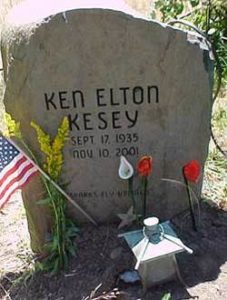 The Final Footprint
Kesey is interred in the Kesey Family Farm Cemetery near Eugene.
#RIP #OTD in 2006 actor (Sudden Fear, Shane, Young Guns, City Slickers, Tango and Cash) Jack Palance died at the home of his daughter in Montecito, California, aged 87. Cremation
Have you planned yours yet?
Follow TFF on twitter @RIPTFF
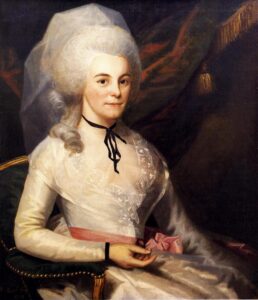 On this day in 1854, socialite and philanthropist, wife of American Founding Father Alexander Hamilton, Elizabeth Hamilton died in Washington, D.C., at age 97. She was a defender of her husband’s works and co-founder and deputy director of Graham Windham, the first private orphanage in New York City. Hamilton is recognized as an early American philanthropist for her work with the Orphan Asylum Society.
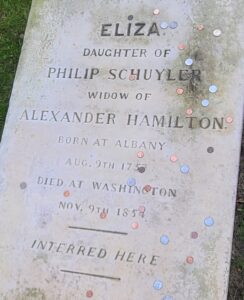 The Final Footprint
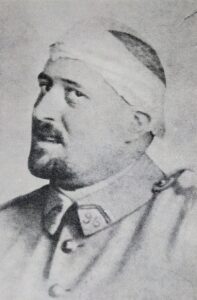 On this day in 1918, poet, playwright, short story writer, and novelist, Guillaume Apollinaire died in Paris during the Spanish flu pandemic at the age of 38. Born on 26 August 1880 in Rome.
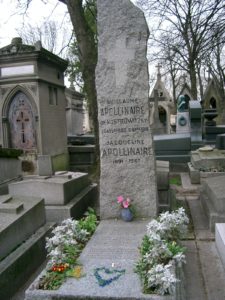 The Final Footprint
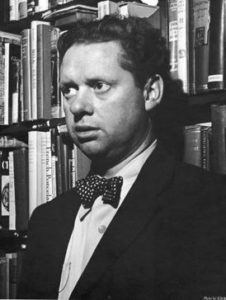 On this day in 1953, poet and writer, Dylan Thomas, died in St. Vincent’s Hospital in Greenwich Village from pneumonia at the age of 39. Born Dylan Marlais Thomas on 27 October 1914 in Swansea, South Wales. One of my favorite poets. I particularly like the villanelle for his dying father, “Do not go gentle into that good night” and the poem “And death shall have no dominion”. Thomas met the dancer Caitlin MacNamara in the Wheatsheaf pub in London’s West End. They were married on 11 July 1937 in Cornwall. Their marriage was a stormy affair, fuelled by alcohol and infidelity, though the couple remained together until Dylan’s death. I am certainly proud of my own Welsh heritage. Cymru am byth! Wales forever!
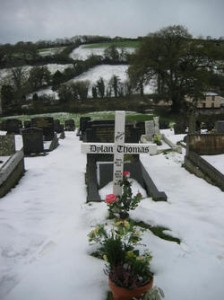 The Final Footprint – Following his death, Thomas’ body was brought back to Wales for burial. Thomas’ funeral took place at St Martin’s Church in Laugharne on 24 November. Thomas’ coffin was carried by six friends from the village. The procession to the church was filmed and the wake took place at Brown’s Hotel. Thomas is interred in Saint Martin’s Churchyard. His grave is marked by a white cross. There is a statue of Thomas in Swansea and a memorial. The memorial is a small rock in an enclosed garden in Cwmdonkin Park. The rock is inscribed with the closing lines from his poem Fern Hill;
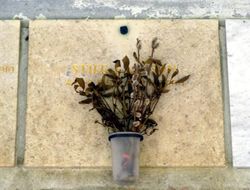
 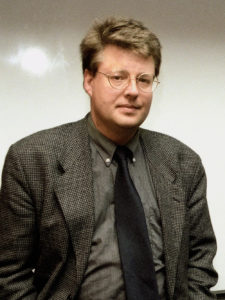 On this day in 2004, journalist and writer Stieg Larsson died from a heart attack after climbing the stairs to work in Stockholm, at the age of 50. Born Karl Stig-Erland Larsson on 15 August 1954 in Skelleftehamn, Västerbottens län, Sweden. Perhaps best known for writing the Millennium trilogy of crime novels, which were published posthumously, starting in 2005, after his sudden death. The trilogy was adapted as three motion pictures in Sweden, and one in the U.S. (for the first book only). The publisher commissioned David Lagercrantz to expand the trilogy into a longer series. For much of his life, Larsson lived and worked in Stockholm. His journalistic work covered socialist politics and he acted as an independent researcher of right-wing extremism.
 The Final Footprint
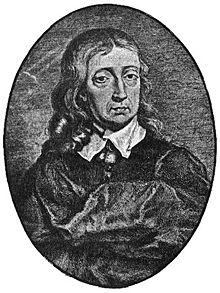 On this day in 1674, poet John Milton, died in Bunhill, London, England at the age of 65 from kidney failure. Born on 9 December 1608 in Bread Street, London, England. Best known for his epic poem in blank verse, Paradise Lost (1667). The poem concerns the Christian story of the Fall of Man; the temptation of Adam and Eve by the fallen angel Satan and their expulsion from the Garden of Eden. Milton incorporates Paganism, classical Greek references, and Christianity within the poem. It deals with diverse topics from marriage, politics to monarchy and grapples with many difficult theological issues, including; fate, predestination, the Trinity, the introduction of sin and death into the world, angels, fallen angels, Satan, and the war in heaven. Milton draws on his knowledge of languages and diverse sources – primarily Genesis, much of the New Testament, the deuterocanonical Book of Enoch, and other parts of the Old Testament. Milton’s epic is generally considered one of the greatest literary works in the English language. He remains generally regarded as one of the most significant writer’s in the English language.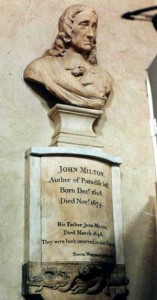
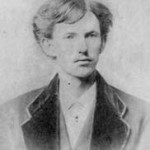 On this day in 1887, dentist, gambler, gunfighter of the American Old West, usually remembered for his friendship with Wyatt Earp and his involvement in the Gunfight at the O.K. Corral, Doc Holliday died from tuberculosis in the Hotel Glenwood in Glenwood Springs, Colorado at the age of 36. Born John Henry Holliday on 14 August 1851 in Griffin, Georgia. The legend and mystique of his life is so great that he has been mentioned in countless books, and portrayed by various actors in numerous movies and television series. Debate continues about the exploits of his life. Earp said, “Doc was a dentist, not a lawman or an assassin, whom necessity had made a gambler; a gentleman whom disease had made a frontier vagabond; a philosopher whom life had made a caustic wit; a long lean ash-blond fellow nearly dead with consumption, and at the same time the most skillful gambler and the nerviest, speediest, deadliest man with a six-gun that I ever knew.”
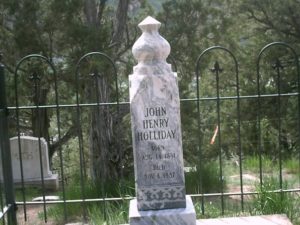 The Final Footprint – Holliday is buried in Linwood Cemetery overlooking Glenwood Springs. The exact location of his grave was lost. Among the more notable portrayals of Holliday on film include; Kirk Douglas, Jason Robards, Stacy Keach, Dennis Hopper, Val Kilmer, and Dennis Quaid.
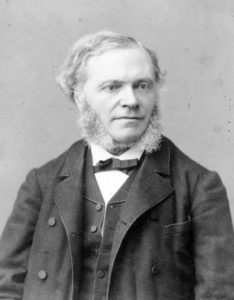 On this day in 1890, composer, pianist, organist, and music teacher César Franck died in Paris at the age of 67. Born César-Auguste-Jean-Guillaume-Hubert Franck on 10 December 1822 in Liège, in what is now Belgium (though at the time of his birth it was part of the United Kingdom of the Netherlands). He studied privately in Paris from 1835. After a brief return to Belgium, and an unfavorable reception to an early oratorio Ruth, he moved to Paris, where he married and embarked on a career as teacher and organist. He gained a reputation as a formidable improviser, and travelled widely in France to demonstrate new instruments built by Aristide Cavaillé-Coll.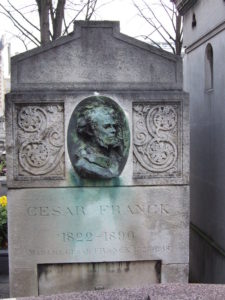

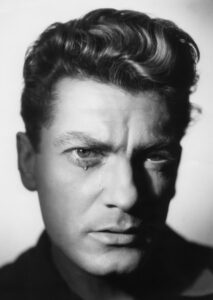 On this day in 1998 actor, writer, director, sculptor, Jean Cocteau’s muse and lover, Jean Marais died from cardiovascular disease in Cannes, aged 84. Born Jean-Alfred Villain-Marais in Cherbourg, France on 11 December 1913.
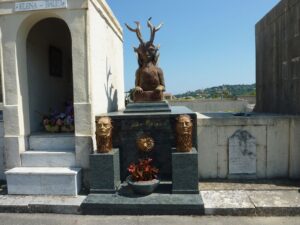 The Final Footprint
 And on this day in 2020 game show host and television personality Alex Trebek died at his home in Los Angeles from pancreatic cancer, aged 80. Born George Alexander Trebek on July 22, 1940, in Sudbury, Ontario, Canada.
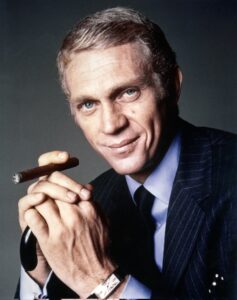 On this day in 1980, United States Marine Corp veteran, Academy Award-nominated actor, The King of Cool, Steve McQueen, died in Ciudad Juárez, Chihuahua, Mexico at the age of 50 from complications related to pleural mesothelioma. Born Terence Steven McQueen on 24 March 1930 in Beech Grove, Indiana.
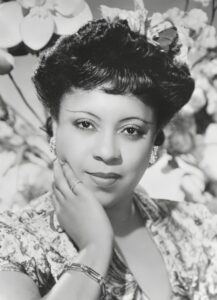 On this day in November 1993; jazz singer and entertainer Adelaide Hall died at London’s Charing Cross Hospital aged 92. Born Adelaide Louise Hall on 20 October 1901 in Brooklyn. Her long career spanned more than 70 years from 1921 until her death and she was a major figure in the Harlem Renaissance. Hall entered the Guinness Book of World Records in 2003 as the world’s most enduring recording artist, having released material over eight consecutive decades. She performed with major artists such as Art Tatum, Ethel Waters, Josephine Baker, Louis Armstrong, Lena Horne, Cab Calloway, Fela Sowande, Rudy Vallee and Jools Holland, and recorded as a jazz singer with Duke Ellington (with whom she made her most famous recording, “Creole Love Call” in 1927) and with Fats Waller.
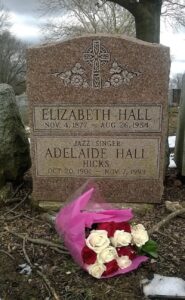 The Final Footprint – Honouring her wish, her funeral took place in New York at the Cathedral of the Incarnation (Garden City, New York) and she was laid to rest beside her mother at the Cemetery of the Evergreens in Brooklyn.
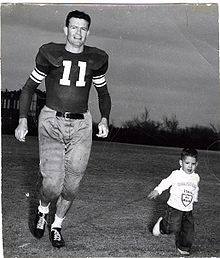 On this day in 2012, United States Army Air Corp veteran, football player at the University of Oklahoma, head coach of the Texas Longhorns (1957-1976), 3x National Champion, 11x Southwest Conference champion, Darrell Royal died due to complications of Alzheimer’s disease in Austin at the age of 88. Born Darrell K Royal on 6 July 1924 in Hollis, Oklahoma. Royal also served as the head coach at Mississippi State University (1954–1955), the University of Washington (1956), compiling a career college football record of 184–60–5. He won more games than any other coach in Texas Longhorns football history. Royal also coached the Edmonton Eskimos of the Canadian Football League for one season in 1953. He never had a losing season as a head coach for his entire career. Royal was inducted into the College Football Hall of Fame as a coach in 1983. Darrell K Royal – Texas Memorial Stadium in Austin, Texas, where the Longhorns play their home games, was renamed in his honor in 1996.
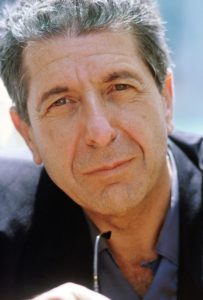 On this day in 2016, singer, songwriter, musician, poet, novelist, and painter Leonard Cohen died at the age of 82 at his home in Los Angeles. Reportedly, his death was the result of a fall at his home on the night of November 7, and he subsequently died in his sleep. Cancer was a contributing cause. Born Leonard Norman Cohen on September 21, 1934 in Montreal.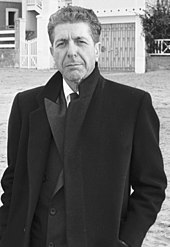

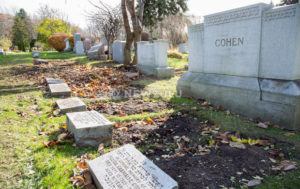 His funeral was held on November 10, 2016, in Montreal, at a cemetery on Mount Royal. As was his wish, Cohen was laid to rest with a Jewish rite, in a simple pine casket, in a family plot in Shaar Hashomayim Cemetery in Montreal . The city of Montreal held a tribute concert to Cohen in December 2016, entitled “God is Alive, Magic Is Afoot” after a prose poem in his novel Beautiful Losers. It featured a number of musical performances and readings of Cohen’s poetry.
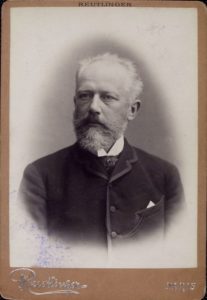 On this day in 1893, composer of the romantic period, Pyotr Ilyich Tchaikovsky died in Saint Petersburg at the age of 53. Born on 7 May 1840 [O.S. 25 April] in Votkinsk, a small town in Vyatka Governorate (present-day Udmurtia) in the Russian Empire. His works are among the most popular music in the classical repertoire. He was the first Russian composer whose music made a lasting impression internationally, bolstered by his appearances as a guest conductor in Europe and the United States.
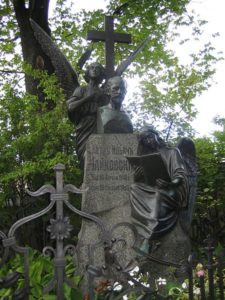 The Final Footprint
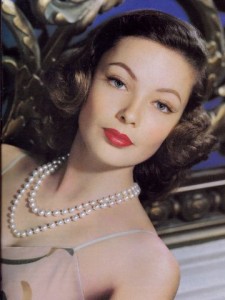 On this day in 1991, Academy Award-nominated actress, Gene Tierney, died of emphysema in Houston, Texas at the age of 70. Born Gene Eliza Tierney on 19 November 1920 in Brooklyn, New York. “Undeniably the most beautiful woman in movie history” – Darryl F. Zanuck, former chief of production and founder of 20th Century Fox. She met Howard Hughes, who reportedly tried to seduce her but she was not impressed by his wealth. They did become lifelong friends, and ironically, are interred in the same cemetery (see below). She married twice; fashion designer Oleg Cassini (1941 – 1952 divorce) and Texas oil baron W. Howard Lee (1960 – 1981 his death). During her separation from Cassini, Tierney allegedly had an affair with John F. Kennedy.
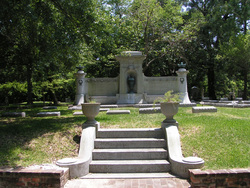 The Final Footprint – Tierney is interred in the Lee Family Private Estate in Glenwood Cemetery in Houston. One of the offices I worked in when I worked in Houston had a great view of Glenwood Cemetery. Other notable Final Footprints at Glenwood include; Maria Franklin Prentiss Langham Gable, Oveta Culp Hobby, William P. Hobby, Howard Hughes, Anson Jones, and Glenn McCarthy.
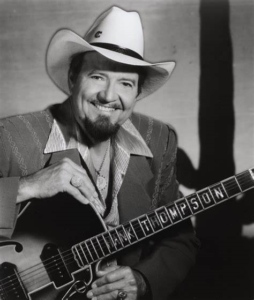 And on this day in 2007, singer songwriter Hank Thompson died from lung cancer in Keller, Texas at the age of 82. Born Henry William Thompson on 3 September 1925 in Waco, Texas. Perhaps his best known hit was his version of the Arlie Carter and William Warren song “The Wild Side of Life”. The 1987 novel Crazy Heart by Thomas Cobb was apparently inspired by Thompson’s life. In 2009 Cobb’s novel was turned into a successful film directed by Scott Cooper and starring Academy Award winner Jeff Bridges.
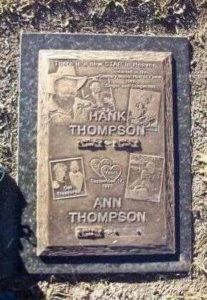 The Final Footprint – Thompson requested that no funeral be held. On November 14, a “celebration of life,” open to both fans and friends, took place at Billy Bob’s Texas, a Fort Worth, Texas nightclub that bills itself as The World’s Largest Honky Tonk. Thompson is interred in Waco Memorial Park in Waco.
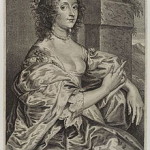 On this day in 1660, English courtier known for her beauty and wit and for her involvement in many political intrigues during the English Civil War, Lucy Hay died of apoplexy probably in London, age 60 or 61. Born Lucy Percy possibly in 1599. She became the second wife of James Hay, 1st Earl of Carlisle. Her charms were celebrated in verse by contemporary poets, including Thomas Carew, William Cartwright, Robert Herrick and John Suckling, and by Sir Toby Matthew in prose. She was a conspicuous figure at the court of King Charles I. Alexandre Dumas probably based Milady in his The Three Musketeers on Hay. She was the subject of a risqué poem by Suckling; “Upon My Lady Carlisle’s Walking in Hampton Court Garden.”
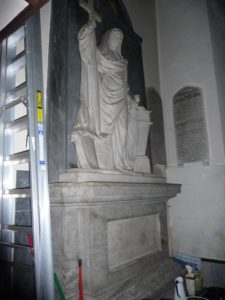 The Final Footprint – She died suddenly after ‘dining well’ at lunchtime she fell suddenly sick around 2pm whilst ‘cutting a piece of ribbon’. She was dead by 5 or 6pm that same day. Lucy is entombed in the Percy Family Vault, St. Mary the Virgin Chuchyard, Petworth, Chichester District, West Sussex, England.
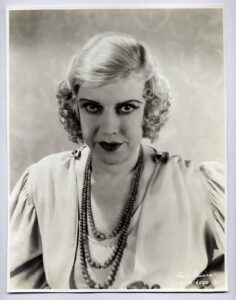 On this day in 1933 actress, producer and speakeasy club manager Texas Guinan died in Vancouver, aged 49. Born Mary Louise Cecilia Guinan in Waco, Texas on January 12, 1884.
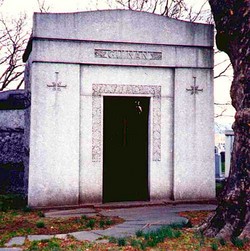 The Final Footprint – While on the road with Too Hot for Paris, she contracted amoebic dysentery in Chicago, Illinois, during the epidemic outbreak at the Congress Hotel during the run of the Chicago World’s Fair. The epidemic was traced to tainted water. She fell ill in Vancouver, British Columbia, and died, exactly one month before Prohibition was repealed; 7,500 people attended her funeral. Bandleader Paul Whiteman was a pallbearer along with two of her former lawyers and writer Heywood Broun.
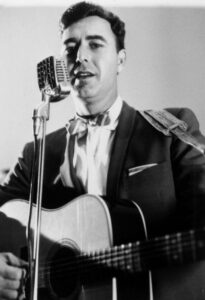 On this day in 1960 singer, songwriter Johnny Horton died from injuries in a car crash in Milano, Texas, age 35. Born John LaGale Horton in Los Angeles on 30 April 1925.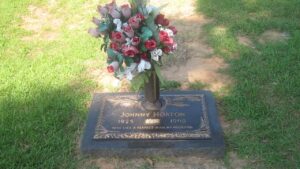
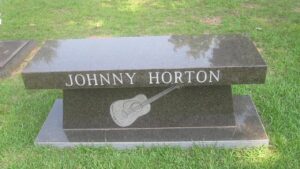 The Final Footprint – On the night of November 4–5, 1960, Horton and two other band members, Tommy Tomlinson and Tillman Franks, were traveling from the Skyline Club in Austin, Texas, to Shreveport when they collided with an oncoming truck on a bridge near Milano in Milam County, Texas. Horton died en route to the hospital, and Tomlinson (1930–1982) was seriously injured; his leg later had to be amputated. Franks (1920–2006) suffered head injuries, and James Davis, the driver of the truck, had a broken ankle and other minor injuries.
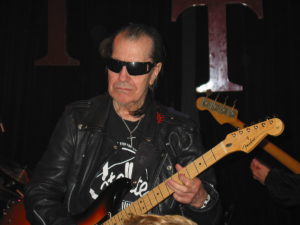 On this day in 2005, United States Army veteran,
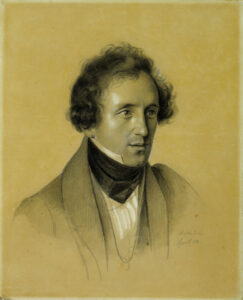 On this day in 1847 Romantic composer, pianist, organist, conductor Felix Mendelssohn died in Leipzig after a series of strokes, age 38. Born on 3 February 1809, in Hamburg.
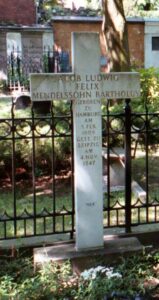 The Final Footprint – Mendelssohn suffered from poor health in the final years of his life, probably aggravated by nervous problems and overwork. A final tour of England left him exhausted and ill, and the death of his sister, Fanny, on 14 May 1847, caused him further distress. Less than six months later, on 4 November, aged 38, Mendelssohn died in Leipzig after a series of strokes. His grandfather Moses, Fanny, and both his parents had all died from similar apoplexies. Although he had been generally meticulous in the management of his affairs, he died intestate.
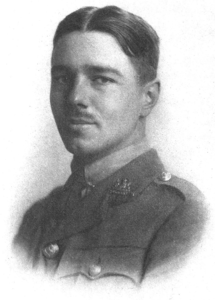 On this day in 1918, English poet and soldier Wilfred Owen was killed in World War I action, at the age of 25, during the crossing of the Sambre–Oise Canal, exactly one week (almost to the hour) before the signing of the Armistice. Born Wilfred Edward Salter Owen on 18 March 1893 at Plas Wilmot, a house in Weston Lane, near Oswestry in Shropshire. One of the leading poets of the First World War, his shocking, realistic war poetry on the horrors of trenches and gas warfare was heavily influenced by his friend and mentor Siegfried Sassoon, and stood in stark contrast both to the public perception of war at the time and to the confidently patriotic verse written by earlier war poets such as Rupert Brooke. Among his best-known works – most of which were published posthumously – are “Dulce et Decorum est”, “Insensibility”, “Anthem for Doomed Youth”, “Futility” and “Strange Meeting”.
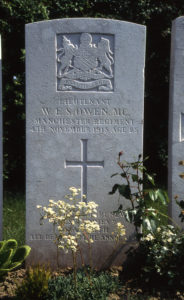 The Final Footprint – His mother received the telegram informing her of his death on Armistice Day, as the church bells were ringing out in celebration. He is interred at the Communal Cemetery in Ors, France.
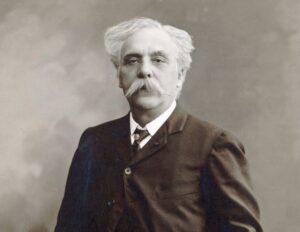 On this day in 1924 composer, organist, pianist and teacher Gabriel Fauré died in Paris from pneumonia at the age of 79. Born Gabriel Urbain Fauré in Pamiers, Ariège, France on 12 May 1845. He was given a state funeral at the Église de la Madeleine and is buried in the Passy Cemetery in Paris. He was one of the foremost French composers of his generation, and his musical style influenced many 20th-century composers. Among his best-known works are his Pavane, Requiem, Sicilienne, nocturnes for piano and the songs “Après un rêve” and “Clair de lune”.
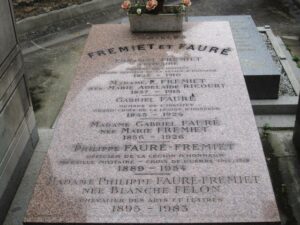 The Final Footprint – He was given a state funeral at the Église de la Madeleine and is buried in the Passy Cemetery in Paris.
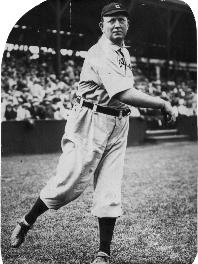 On this day in 1955 baseball Hall of Famer, Cy Young, died on his farm near Newcomerstown, Ohio at the age of 88. Born Denton True Young on 29 March 1867 in Gilmore, Ohio. During his 22-year career he pitched for five different teams; Cleveland Spiders, St. Louis Perfectos, Boston Americans/Red Sox, Cleveland Naps and the Boston Rustlers. He pitched three no hitters and one perfect game, earned one world series ring and still holds five MLB records.
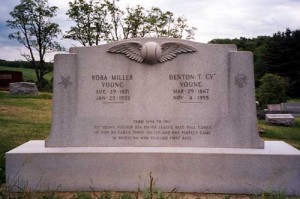 Their graves are marked by a large upright granite marker inscribed as follows: FROM 1890 TO 1911 “CY YOUNG” PITCHED 874 MAJOR LEAGUE BASE BALL GAMES. HE WON 511 GAMES, THREE NO HIT, AND ONE PERFECT GAME IN WHICH NO MAN REACHED FIRST BASE. One year after Young’s death, the Cy Young Award was created to honor the previous season’s best pitcher. The first award was given to Brooklyn’s Don Newcombe. Originally, it was a single award covering the whole of baseball. The honor was divided into two Cy Young Awards in 1967, one for each league. In 1957, Warren Spahn became the first left-handed pitcher to win the award. In 1963, Sandy Koufax became the first pitcher to win the award in a unanimous vote; two years later he became the first multiple winner. In 1974, Mike Marshall won the award, becoming the first relief pitcher to win the award. Roger Clemens currently holds the record for the most awards won, with seven won the most.
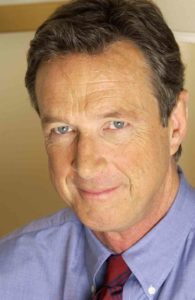 On this day in 2008, author, screenwriter, film director and producer Michael Crichton died from lymphoma in Los Angeles at the age of 66. Born John Michael Crichton October 23, 1942 in Chicago. Perhaps best known for his work in the science fiction, thriller, and medical fiction genres.
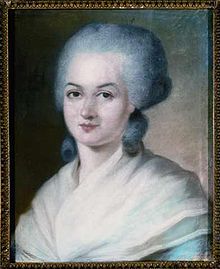 On this day in 1793, playwright, abolitionist, and feminist Olympe de Gouges mounted a Paris scaffold to the guillotine, at the age of 45. Born Marie Gouze on 7 May 1748 in Montauban, Quercy (in the present-day department of Tarn-et-Garonne), in southwestern France. She began her career as a playwright in the early 1780s. As political tension rose in France, de Gouges began writing political pamphlets. She became an outspoken advocate for improving the condition of slaves in the colonies of 1788. Perhaps best known as an early feminist who demanded that French women be given the same rights as French men. In her Declaration of the Rights of Woman and the Female Citizen (1791), she challenged the practice of male authority and the notion of male–female inequality. She wrote; “
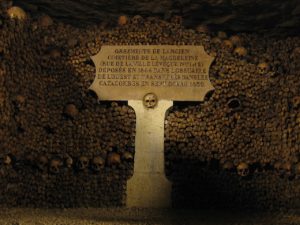 The Final Footprint – De Gouges was interred in a communal grave in the Madeleine Cemetery, a former cemetery in the 8th arrondissement of Paris, one of the four cemeteries (the others being Errancis Cemetery, Picpus Cemetery and the Cemetery of Saint Margaret) used to dispose of the corpses of guillotine victims during the French Revolution. In 1844, the cemetery was cleared and the skeletal remains were transferred to the l’Ossuaire de l’Ouest (West Ossuary). When the ossuary was closed, the contents were transferred to the Paris catacombs (Catacombes de Paris), an underground ossuary in Paris which hold the remains of more than six million people located in a part of a tunnel network built to consolidate Paris’ ancient stone mines. Extending south from the Barrière d’Enfer (“Gate of Hell”) former city gate, this ossuary was created as part of the effort to eliminate the city’s overflowing cemeteries. Preparation work began not long after a series of basement wall collapses at Saint Innocents cemetery. Beginning in 1786, nightly processions of covered wagons transferred remains from most of Paris’ cemeteries to a mine shaft opened near the Rue de la Tombe-Issoire.
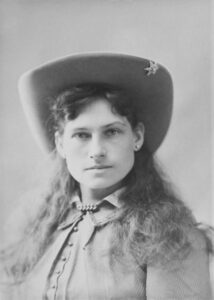 On this day in 1926 sharpshooter who starred in Buffalo Bill’s Wild West show Annie Oakley died of pernicious anemia in Greenville, Ohio, at the age of 66. Born Phoebe Ann (Annie) Mosey on August 13, 1860, in a log cabin less than two miles (3.2 km) northwest of Woodland, now Willowdell, in Darke County, Ohio.
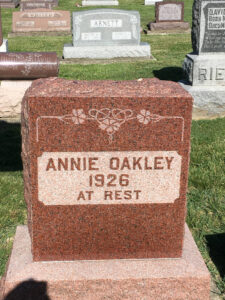 The Final Footprint – Cremated remains interred at Brock Cemetery, near Greenville. A collection of Oakley’s personal possessions, performance memorabilia, and firearms are on permanent exhibit in the Garst Museum and the National Annie Oakley Center in Greenville, Ohio. She has been inducted into the Trapshooting Hall of Fame, the National Cowgirl Museum and Hall of Fame in Fort Worth, Texas, the National Women’s Hall of Fame, the Ohio Women’s Hall of Fame, and the New Jersey Hall of Fame. Her story has been adapted for stage musicals and films, including Annie Get Your Gun, musical with lyrics and music by Irving Berlin and a book by Dorothy Fields and her brother Herbert Fields.
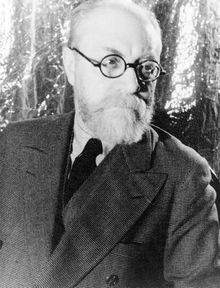 On this day in 1954, artist, painter, sculptor Henri Matisse died in Nice, Alpes-Maritimes, France at the age of 84. Born Henri-Émile-Benoît Matisse on 13 December 1869 in Le Cateau-Cambrésis, Nord, France. In my opinion, along with with Picasso and Marcel Duchamp, Matisse is one of the leading figures of modern art.
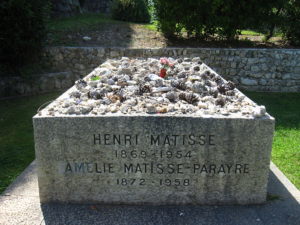 The Final Footprint – Matisse is interred with his wife Noellie Matisse-Parayre in the cemetery of the Monastère Notre Dame de Cimiez, near Nice. Their graves are marked by a large marble upright monument.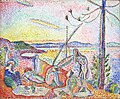


 On this day in 1990, actress and singer, Mary Martin died of cancer four weeks before her 77th birthday at her home in Rancho Mirage, California. Born Mary Virginia Martin in Weatherford, Texas on 1 December 1913.
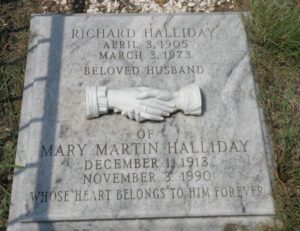 The Final Footprint – She is buried in City Greenwood Cemetery in Weatherford, Texas.
 And on this day in 2018, actress and director, Sondra Locke died at her Los Angeles home from cardiac arrest related to breast and bone cancer at the age of 74. Born Sandra Louise Smith on May 28, 1944 in Shelbyville, Tennessee.
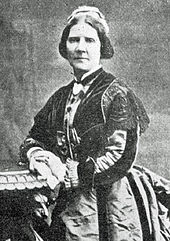
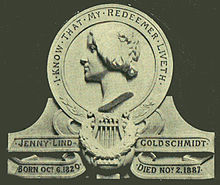
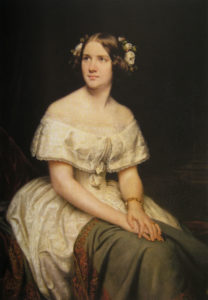 On this day in 1887 opera singer, the “Swedish Nightingale”, Jenny Lind died at Wynd’s Point, Herefordshire, on the Malvern Hills near the British Camp, at the age of 67. Born Johanna Maria Lind on 6 October 1820 in Klara in central Stockholm. One of the most highly regarded singers of the 19th century, she performed in soprano roles in opera in Sweden and across Europe, and undertook an extraordinarily popular concert tour of America beginning in 1850. She was a member of the Royal Swedish Academy of Music from 1840.

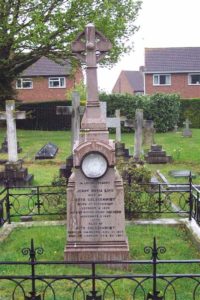 The Final Footprint

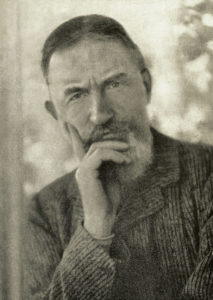 On this day in 1950, playwright, Nobel Prize winner and Academy Award winner, George Bernard Shaw died at his home, Shaw’s Corner, in Hertfordshire, England at the age of 94. Born 26 July 1856 in Dublin, Ireland. Shaw is the only person to have been awarded both a Nobel and an Oscar. His play Pygmalion was adapted by Alan Jay Lerner and Frederick Loewe into the musical My Fair Lady. In 1898, Shaw married Charlotte Payne-Townshend, whom he survived. Reportedly, the marriage was never consummated, at Charlotte’s insistence. Shaw reportedly had a number of affairs with married women.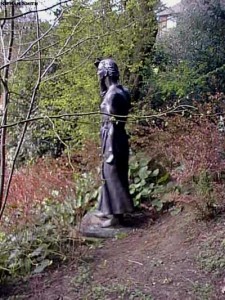
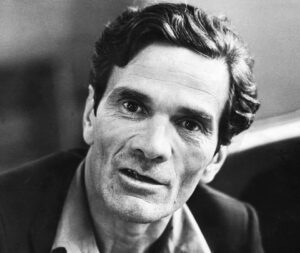 On this day in 1975 poet, filmmaker, writer, journalist, novelist, playwright, artist, actor Pier Paolo Pasolini was murdered, run over by his car, on the beach at Ostia, Italy. Born in Bologna on 5 March 1922.
 And on this day in 1996 singer and guitarist Eva Cassidy died from melanoma at her family’s home in Bowie, Maryland, at the age of 33. Born Eva Marie Cassidy on February 2, 1963, at the Washington Hospital Center in Washington, D.C.
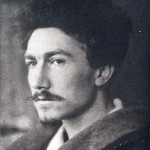 On this day in 1972, poet Ezra Pound died in the Civil Hospital of Venice at the age of 87 with his long-time mistress Olga Rudge at his side. Born Ezra Weston Loomis Pound on 30 October 1885 in Hailey, Idaho Territory. His contribution to poetry began with his promotion of Imagism, a movement that called for a return to more Classical values, stressing clarity, precision and economy of language. Perhaps his best-known works include Ripostes (1912), Hugh Selwyn Mauberley (1920) and his unfinished 120-section epic, The Cantos (1917–1969). Working in London and Paris in the early 20th century as foreign editor of several American literary magazines, Pound helped to discover and shape the work of contemporaries such as T. S. Eliot, James Joyce, Robert Frost and Ernest Hemingway. He was responsible for the publication in 1915 of Eliot’s “The Love Song of J. Alfred Prufrock” and for the serialization from 1918 of Joyce’s Ulysses. Hemingway wrote of him in 1925: “He defends [his friends] when they are attacked, he gets them into magazines and out of jail. … He writes articles about them. He introduces them to wealthy women. He gets publishers to take their books. He sits up all night with them when they claim to be dying … he advances them hospital expenses and dissuades them from suicide”. Outraged by the loss of life during the First World War, he lost faith in England, blaming the war on usury and international capitalism. He moved to Italy in 1924, where throughout the 1930s and 1940s he wrote for publications owned by Oswald Mosley. The Italian government paid him to make hundreds of radio broadcasts criticizing the United States, as a result of which he was arrested for treason by American forces in Italy in 1945. He spent months in detention in a U.S. military camp in Pisa. Deemed unfit to stand trial, he was incarcerated in St. Elizabeths psychiatric hospital in Washington, D.C., for over 12 years. While in custody in Italy, he had begun work on sections of The Cantos that became known as The Pisan Cantos (1948), for which he was awarded the Bollingen Prize in 1949 by the Library of Congress, triggering enormous controversy. He was released from St. Elizabeths in 1958 and returned to live in Italy until his death. His political views ensure that his work remains controversial; in 1933 Time magazine called him “a cat that walks by himself, tenaciously unhousebroken and very unsafe for children.” Hemingway nevertheless wrote: “The best of Pound’s writing – and it is in the Cantos – will last as long as there is any literature.”
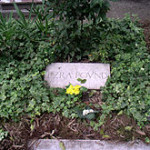 The Final Footprint – Four gondoliers dressed in black rowed Pound’s body to the island cemetery, Isola di San Michele, where he was buried near Sergei Diaghilev and Igor Stravinsky. Dorothy died in England the following year. Olga died in 1996 and was buried next to Pound.